
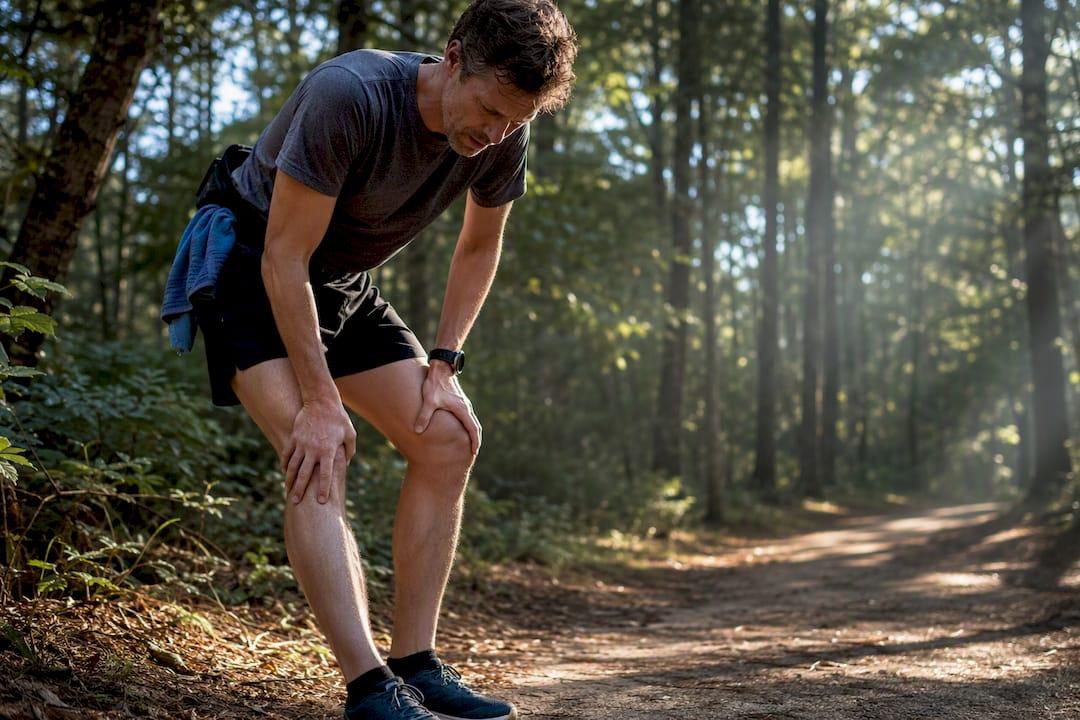
Topical CBD balm can ease local pain and tenderness along the IT band for some runners, but it works best as an adjunct, not a cure. The strongest evidence points to symptom relief over weeks of consistent use, not overnight fixes, and it does nothing to correct the hip weakness or gait mechanics driving the injury. If pain persists for several weeks or worsens, see a clinician, and if you're tested for competition, verify your product is THC-free before you use it.
TL;DR:
- Topical CBD can provide symptom relief for IT band pain but requires consistent use over weeks to see noticeable benefits.
- Absorption and effectiveness of CBD balms vary depending on formulation, with added ingredients like menthol or arnica enhancing relief, not fixing the root injury.
- Existing research shows limited objective benefits; subjective pain relief is most supported by small athlete studies, not universal recovery claims.
- Proper application involves patch testing, regular work along the IT band, and combining CBD with physical therapy exercises for best results.
- Athletes should verify CBD product lab results to ensure they are THC-free and avoid contaminated products that could cause positive drug tests.
Table of Contents
- What Is CBD For IT Band Syndrome, and How Does It Work?
- What Does the Research Say About CBD for Joint and Muscle Pain?
- How Should You Apply a CBD Balm for IT Band Pain?
- Is CBD Safe for Athletes, and Will It Affect Drug Testing?
- When Should You See a Clinician About IT Band Pain?
- How Mongoosecbd Formulates Its Recovery Balms
- An Editorial Take on CBD for Runners With IT Band Pain
- Try a Topical Balm the Smart Way
- Sources
- FAQ
What Is CBD For IT Band Syndrome, and How Does It Work?
Iliotibial band syndrome shows up as a sharp, burning ache on the outside of the knee, usually from repetitive friction where the IT band crosses the femur. CBD, or cannabidiol, is a non-intoxicating compound derived from hemp that interacts with receptors involved in pain signaling and inflammation, including adenosine A2A receptors and TRPV1 channels. Neither pathway is unique to CBD, but both are plausible reasons a topical could dull the burning, nerve-driven pain typical of ITBS.
That mechanism matters more for local application than for pills or tinctures. A topical CBD versus oral comparison makes the distinction clear: oral CBD gets metabolized through the liver, and only a fraction reaches systemic circulation, which is one reason it tends to show up in research as better at calming anxiety or improving sleep than at knocking out a specific ache in the knee. A balm rubbed directly onto the skin over the IT band skips that detour and delivers cannabinoids closer to the site of pain, though absorption through skin is still inconsistent across formulations, according to a 2023 study on topical CBD in elite athletes.
Formulation extras change the experience, too, sometimes more than the CBD itself:
- Menthol and eucalyptus create a cooling sensation that can distract from deep tissue pain within seconds of application.
- Arnica has its own folk history as an anti-inflammatory and is commonly paired with CBD in recovery balms.
- Capsaicin-type warming agents, like cayenne or ginger extract, work through a different receptor pathway and can feel more intense on sensitive skin.
- Concentration varies widely between products, and a balm listing 1,000mg of CBD per ounce delivers a meaningfully different dose than one diluted for a lighter, everyday feel.
None of these ingredients replace the mechanical fixes ITBS actually needs. They just make the 15 minutes after a run more tolerable while you address the root cause.
What Does the Research Say About CBD for Joint and Muscle Pain?
Nobody has run a large, dedicated clinical trial on CBD for IT band syndrome specifically. What exists is a scattering of studies on musculoskeletal pain, exercise recovery, and chronic lower-extremity pain in athletes, and the results are genuinely mixed rather than uniformly encouraging.
The most favorable data comes from a 2023 study following elite athletes with chronic lower-extremity pain who used a topical CBD product for six weeks. Researchers recorded statistically significant drops in reported pain and measurable gains in function, with only minor side effects. That's a real signal, but it's also a small, athlete-specific population using a topical formulation daily for a month and a half, not a snapshot of instant relief.
Zoom out, and the picture gets fuzzier. A systematic review covering studies through 2024 found limited benefit on a handful of physiological markers alongside plenty of null results for recovery outcomes overall. A separate short-term chronic application trial found effects that depended heavily on training status. Benefits showed up in "advanced" athletes but not in the "highly advanced" group, according to research on short-term chronic CBD application, suggesting your baseline fitness might shape how much you notice.
What the numbers actually show:
- A pilot randomized crossover trial gave runners an oral dose was found to reduce perceived exertion and anxiety at one point mid-run, but did not change actual run time or performance.
- Topical CBD gel trials from 2024 through 2026 reported no consistent acceleration of muscle-function recovery or reduction in delayed-onset muscle soreness, with bioavailability flagged as a persistent unknown.
- Our own summary of the broader picture on CBD for muscle recovery reaches a similar conclusion: subjective relief is common, objective biomarker change is not.
Put together, the evidence supports trying CBD as one tool among several, not betting your recovery timeline on it. Runners in Runner's World coverage describe pairing CBD with stretching, icing, and foam rolling rather than using it alone, and that pattern matches what the data can actually support.
How Should You Apply a CBD Balm for IT Band Pain?
Consistency matters more than quantity here. A pea-sized amount used correctly, twice a day, will outperform a heavy-handed application used sporadically.
- Patch test first. Apply a small amount to your inner forearm and wait 24 hours to rule out irritation, especially if the balm contains menthol, capsaicin, or arnica.
- Clean and dry the area. Wash the outer thigh and knee before application so the balm isn't competing with sweat, sunscreen, or lotion.
- Massage it into the distal IT band and lateral knee. Work the balm in with moderate pressure along the last few inches of the band, where it crosses the femoral condyle, rather than just dabbing it on top.
- Apply regularly, typically once or twice daily, typically after a run and again before bed, and give warming or cooling ingredients a few minutes to settle before you start moving.
- Track your response weekly. Note pain during activity, tenderness to touch, and how a single-leg squat feels, and commit to a 4 to 6 week trial before judging whether it's helping, consistent with the treatment windows used in the 2023 athlete study.
Pro Tip: Apply the balm right after foam rolling, not instead of it. The rolling addresses tissue tightness mechanically; the balm just makes the next hour more comfortable while you do the actual work.
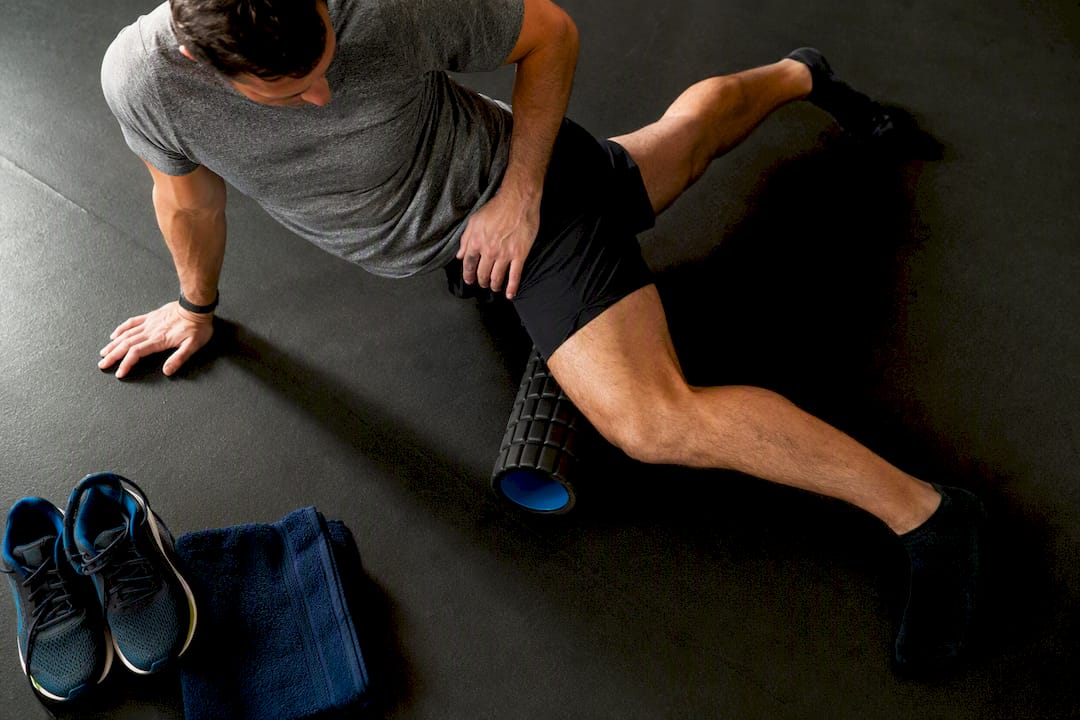
None of this replaces the exercises that fix ITBS. Pair the routine with foam rolling, targeted glute medius and hip abductor strengthening, and a gait assessment if you're a regular runner, ideas covered in more detail in a runner-focused CBD routine for knee relief. The biggest mistake is using CBD to mask pain well enough to keep running high mileage on an injury that needs a training deload. Relief without a training adjustment usually just delays the real fix.
Is CBD Safe for Athletes, and Will It Affect Drug Testing?
Topical CBD is generally well tolerated. The most common side effects are local, skin irritation, redness, or an allergic reaction to a specific ingredient like menthol or eucalyptus, rather than anything systemic. Oral CBD carries more interaction risk since it's processed through liver enzymes (the CYP family) that also metabolize many prescription medications, so check with a clinician before combining it with blood thinners or other drugs metabolized the same way.
The bigger concern for competitive athletes is contamination, not the CBD itself. The FDA has repeatedly flagged that CBD products are inconsistently regulated and can contain unlisted cannabinoids, including trace THC. That matters because even small amounts of THC can trigger a positive drug test under WADA rules, regardless of intent.
Practical risk mitigation looks like this:
- Choose topicals labeled as THC-free and supported by a third-party Certificate of Analysis (COA).
- Review the COA yourself rather than trusting marketing copy. It should list cannabinoid content down to non-detectable THC.
- If you compete under a specific league or governing body, check their CBD policy directly. Rules vary, and "hemp-derived" doesn't automatically mean "cleared."
- When in doubt ahead of a competition, pause use rather than assume a product is safe. Guidance on this is covered in more depth in athlete-safe CBD use.
A third-party explainer on topical CBD mechanisms and safety reinforces the same baseline: topical use carries lower systemic risk than oral, but product quality varies enough that verification isn't optional for anyone who gets tested.
When Should You See a Clinician About IT Band Pain?
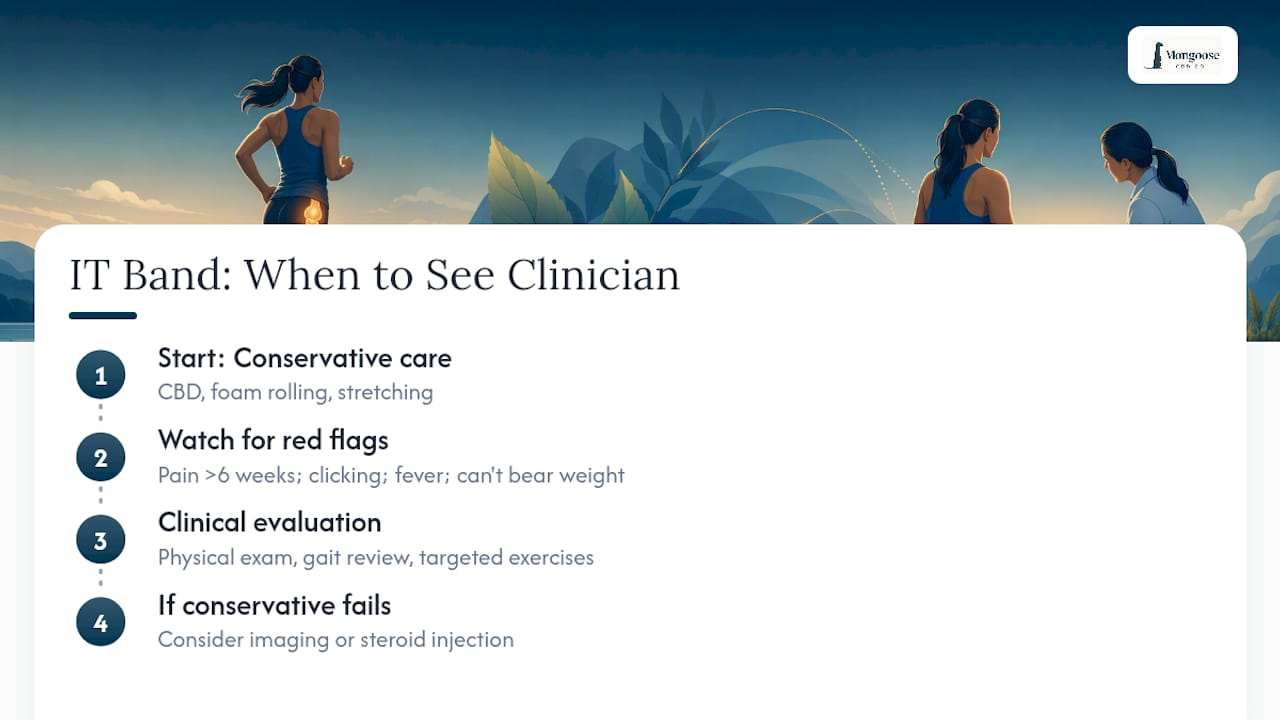
CBD, foam rolling, and stretching are reasonable first steps, but certain symptoms mean it's time to get evaluated instead of waiting out another training cycle.
See a clinician if pain persists or worsens past six weeks, if you notice mechanical symptoms like clicking or locking at the knee, or if you develop fever or can't bear weight on the leg. Standard clinical care for ITBS typically includes a physical exam, a review of your running form and gait, and a targeted exercise plan; imaging or a steroid injection is reserved for cases that don't respond to conservative care, per Cleveland Clinic's overview of iliotibial band syndrome.
If you want to bring up CBD with your provider, come prepared: bring the product label or COA, list any other medications or supplements you're taking, and ask specifically about interaction risk and timing relative to any upcoming competitions or drug tests.
How Mongoosecbd Formulates Its Recovery Balms
Mongoose CBD Co. makes two topical products relevant here: the Seriously Soothing Pain Balm and RIKKI TIKKI Recovery, both positioned for athletes and people managing chronic pain rather than occasional aches. Each uses 1,000mg of CBD per ounce combined with ingredients like arnica, menthol, turmeric, and eucalyptus, and both are vegan, THC-free, and paraben-free.
Before trusting any topical brand, verify these signals yourself rather than taking a label at face value:
- Confirm third-party lab testing and request the COA if it isn't posted.
- Check the full ingredient list against anything you're sensitive to, especially warming agents like cayenne or clove.
- Look for a refund policy. Mongoosecbd backs its balms with a 30-day full refund, which lowers the cost of testing whether a formulation works for your body.
Treat any topical, including these, as one input in a broader rehab plan, not a replacement for the strengthening work your IT band actually needs.
An Editorial Take on CBD for Runners With IT Band Pain
The conventional advice on CBD for injuries treats it like a coin flip: either dismissed as marketing or oversold as a cure. Neither holds up. The 2023 athlete study showing real pain reduction over six weeks and the null results from broader systematic reviews aren't contradictions. They're describing different things: subjective comfort versus objective tissue repair.
That distinction should reshape how runners use it. CBD balm earns a place in your kit for what it actually does, taking the edge off pain so you can do the boring, effective work: hip abductor strengthening, gait correction, load management. What it shouldn't do is become permission to keep running through pain you'd otherwise stop and address. The runners who get the most out of a product like Mongoosecbd's balms are the ones already doing physical therapy, not the ones hoping a balm substitutes for it.
Prioritize the rehab. Let the CBD make the rehab tolerable.
— Cindy
Try a Topical Balm the Smart Way
These balms offer a way to test topical CBD with disclosed ingredient panels and stated CBD concentrations, along with a 30-day refund policy that facilitates a patch test and trial period.
Start with a patch test on your forearm, then apply consistently alongside your foam rolling and hip strengthening routine for the full trial window before judging results. If you're ready to add a topical to your rehab plan, the Seriously Soothing Pain Balm and RIKKI TIKKI Recovery are both formulated for exactly this kind of daily use. Browse the options, check the ingredient lists against your own sensitivities, and pick the one that fits your routine.
This article is general information, not a substitute for advice from a qualified doctor. Consult a qualified healthcare professional about your own circumstances before acting on anything here.
Sources
- Topical cannabidiol study (2023) — PMC10061782
- Cleveland Clinic: Iliotibial band syndrome
- Runner's World: What is CBD and can it help your performance?
FAQ
How can I fix IT band syndrome fast?
There's no true fast fix. Reducing mileage, foam rolling the IT band and surrounding muscles, and starting hip abductor strengthening immediately gives you the quickest realistic path, usually over several weeks rather than days.
What should I avoid doing with IT band syndrome?
Avoid running through sharp lateral knee pain, skipping strength work in favor of stretching alone, and returning to full mileage before symptoms resolve, since all three tend to prolong the injury.
What if my IT band syndrome isn't improving?
If pain persists past six weeks of consistent rehab, see a clinician for a gait assessment and exam, since persistent symptoms may require imaging or a more specialized exercise plan.
Can massage help IT band syndrome?
Massage and foam rolling can reduce tightness and tenderness along the IT band and are commonly recommended alongside strengthening work, though they address symptoms rather than the underlying hip weakness driving the injury.
Is Mongoosecbd's balm THC-free and safe for tested athletes?
Mongoosecbd's balms are formulated to be THC-free, but athletes subject to drug testing should verify the current Certificate of Analysis before use to confirm cannabinoid content.