
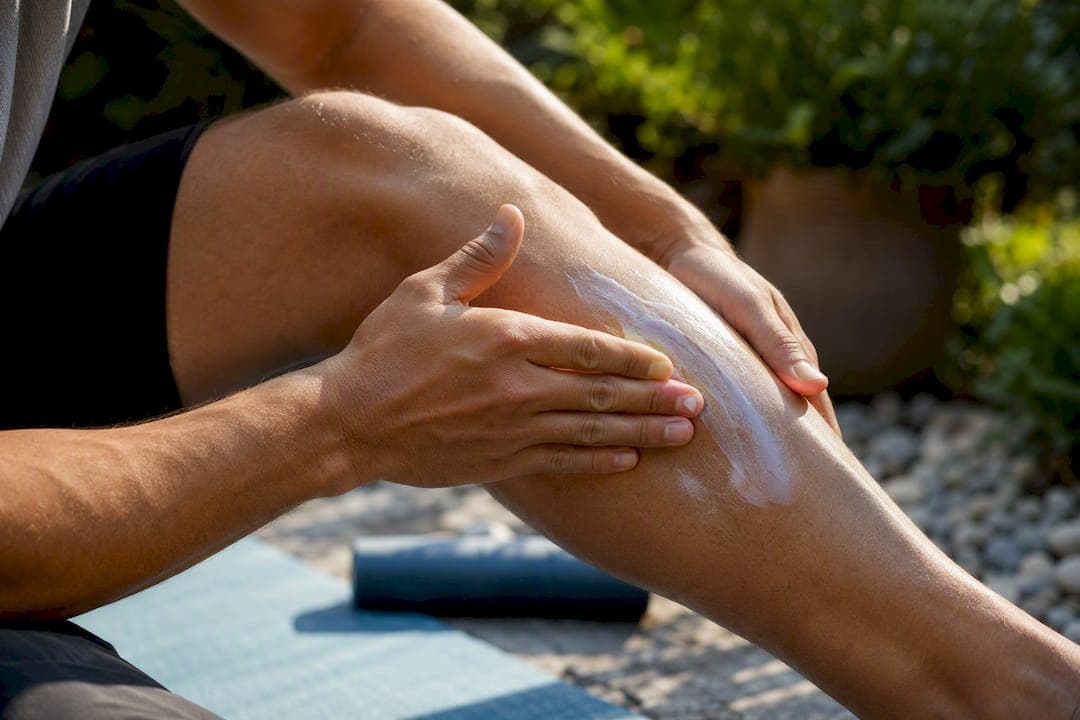
Topical CBD can take the edge off shin-splint pain for many active people, but the evidence supports it as a helper, not a cure. Use it alongside rest, gradual reloading, and footwear fixes, and see a clinician if pain is sharp, localized to bone, or worsening.
TL;DR:
- Topical CBD may modestly reduce localized pain and improve function in athletes, but current evidence is limited and based on small, non-comparative trials.
- Oral CBD shows minimal benefit over placebo in larger studies, and no specific research targets shin splints directly.
- Applying CBD balm post-exercise, on clean skin, and testing for sensitivity helps maximize benefits while minimizing skin irritation risks.
- CBD should support, not replace, standard shin splint recovery methods like rest, ice, footwear adjustments, and gradual loading.
- Athletes should verify product ingredients through third-party testing to avoid contamination with THC or other banned substances.
Table of Contents
- Does CBD For Shin Splints Actually Work? What the Research Shows
- How to Use Topical CBD for Shin Splints
- Fitting CBD Into a Real Shin-Splint Recovery Plan
- Is CBD Safe for Athletes? Side Effects and Anti-Doping Rules
- What to Look for in a CBD Topical for Shin Splints
- Why We Formulated Balms Specifically for Athlete Recovery
- Why Most Shin-Splint Advice Skips the Boring Part
- Try a Starter Balm and See How Your Shins Respond
- Key Studies and Clinical Resources
- Sources
Does CBD For Shin Splints Actually Work? What the Research Shows
The honest answer is: probably a little, for some people, and nobody has run the definitive trial yet. That's not a dodge. It's the actual state of cannabinoid research for localized musculoskeletal pain in 2026, and shin splints specifically have never been the subject of a large randomized trial testing CBD.
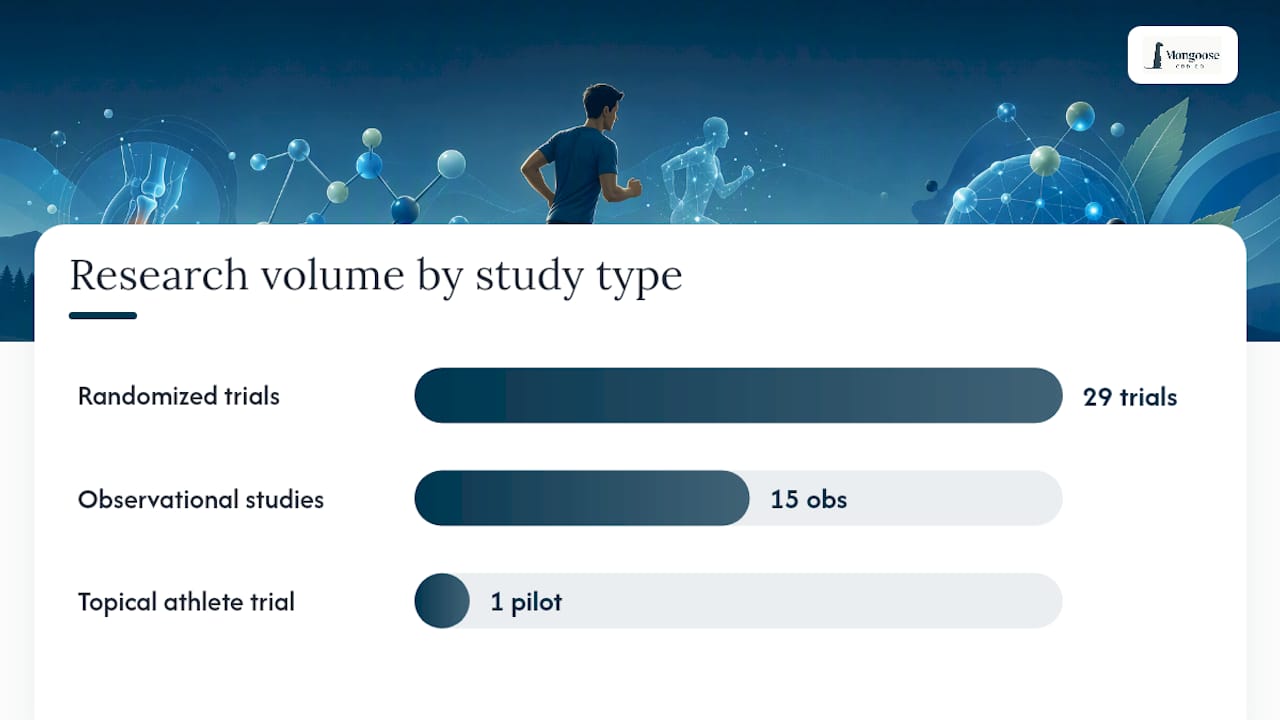
What exists instead is a patchwork of adjacent evidence. A living systematic review from NCBI Bookshelf pooled 29 randomized trials and 15 observational studies on cannabis and plant-based treatments for chronic pain, and it found that low-THC-to-CBD-ratio products, including CBD taken alone, generally did not outperform placebo for improving pain and function. That's a meaningful finding, and it tempers expectations for oral CBD in particular.
Topical CBD tells a more encouraging, if narrower, story. A pilot trial published in the Journal of Cannabis Research followed 20 people with a history of elite physical performance and chronic lower-extremity pain. They applied a 10 mg topical CBD formulation twice daily for six weeks. Researchers reported the product was well tolerated, with only minor adverse effects, and participants showed decreased pain and improved function over that period. It's a small sample, no placebo arm, but it's the closest thing to athlete-specific topical data currently available.
A broader review of cannabinoids in chronic pain backs up the general pattern: cannabinoids can produce modest, condition-specific analgesia, but the effect size is often small and inconsistent across trials, and topical-specific data remain sparse. Harvard Health's overview of CBD and pain adds an important mechanistic caveat: CBD may influence the endocannabinoid system's role in inflammation and pain signaling, and it may help indirectly by improving sleep and easing anxiety, both of which affect how pain is perceived during recovery. The FDA has not approved CBD for chronic pain, and Harvard's researchers are clear that the science is still developing.
Put together, here's what the evidence actually supports:
- Topical CBD has a real, if modest, signal for reducing localized pain and improving function in small athlete cohorts.
- Oral CBD alone shows limited benefit over placebo in larger systematic reviews.
- No trial has isolated shin splints as a condition, so all guidance extrapolates from broader musculoskeletal and neuropathic pain research.
- Trial sizes are small (dozens of participants, not hundreds), and most lack a placebo comparison arm for topical use specifically.
Reasonable expectation: modest pain relief and better tolerability of activity, not a cure for the underlying overuse injury. If you're hoping a balm alone will let you run through untreated shin splints indefinitely, the data doesn't back that up. If you're hoping it will make ice, rest, and rehab more tolerable, that's a much better-supported bet.
How to Use Topical CBD for Shin Splints
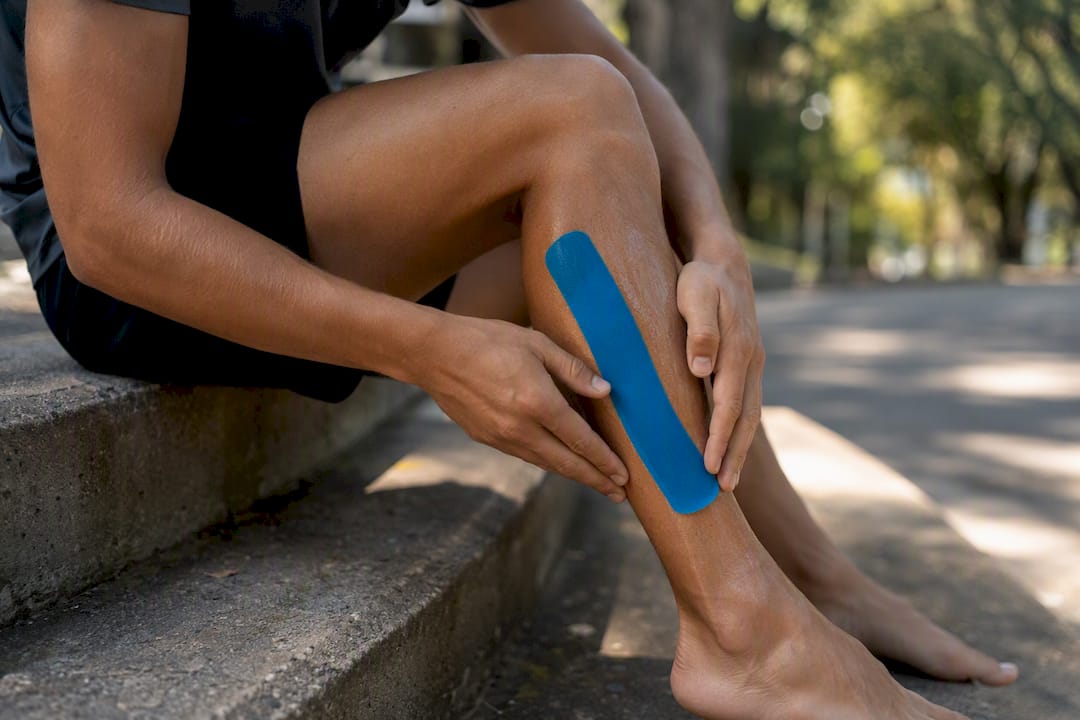
Delivery method matters more than most people assume. A balm or cream applied directly to the shin puts the active ingredients where the pain actually is, which is why topical products dominate the athlete research over oral capsules or tinctures. Transdermal tape is a newer option that layers CBD into an adhesive strip for longer contact time, though the evidence base for tape specifically is thinner than for balms.
Here's a practical protocol based on how the pilot athlete trial was structured and standard topical-use guidance:
- Patch test first. Apply a small amount to your inner forearm and wait 24 hours before using it on your shin. Skin irritation is uncommon but not unheard of with essential-oil-based carriers like menthol or eucalyptus.
- Clean and dry the area. Wash the shin and let it dry fully. Product absorbs better on clean skin than through sweat or lotion residue.
- Use a dime-to-quarter-sized amount for a single shin, adjusting based on the product's concentration and your own pain level.
- Massage it in for 30 to 60 seconds. This isn't just for feel. Massage increases local blood flow and helps work the balm into the tissue rather than leaving it sitting on the surface.
- Apply once or twice daily. The athlete pilot trial used twice-daily dosing over six weeks and reported meaningful improvement by that point, so give it real time before judging results.
- Reassess at the two-week and six-week marks. If you notice zero change by six weeks, the product likely isn't the right lever for your specific pain, and it's worth revisiting your rehab plan instead.
Timing relative to training matters too. Post-workout application makes the most sense for recovery purposes, since that's when inflammation and muscle guarding peak. Avoid applying a thick layer under compression sleeves or occlusive kinesiology tape right before a hard session unless the product label specifically says it's designed for that use. Trapping active ingredients under tape can increase absorption in unpredictable ways and raises the odds of skin irritation.
If you're already using kinesiology tape or a rigid brace for shin splints, apply the balm first, let it absorb for a few minutes, then tape over dry skin rather than directly over wet product. This keeps the adhesive from failing early and avoids diluting the tape's mechanical support.
Pro Tip: Don't layer multiple active-ingredient products on the same spot without checking their ingredient lists. Stacking a menthol-heavy balm with a separate capsaicin cream can overwhelm the skin and cause a burning sensation that has nothing to do with your actual injury.
Fitting CBD Into a Real Shin-Splint Recovery Plan
Topical CBD works best as a supporting player, not the star of the recovery plan. Mayo Clinic's guidance on shin splints lays out the actual foundation: rest or activity modification, ice, gradual return to loading, and attention to footwear and running surfaces. None of that changes because you've added a balm to your routine.
Where CBD earns its place is in symptom control that makes the boring parts of rehab easier to stick with. Shin splints heal slowly, and the biggest failure point for most runners isn't lack of motivation, it's re-aggravating the injury because pain relief tempts them back into full training too soon, or because unmanaged pain disrupts sleep and recovery quality. If a topical product takes the edge off enough that you can do your calf raises, tibialis-anterior strengthening, and gentle cross-training without gritting your teeth, it's doing its job.
A basic recovery structure looks like this:
- Reduce or modify impact activity for one to three weeks depending on severity.
- Ice the area for 15 to 20 minutes after activity, several times a day during the acute phase.
- Add progressive calf and shin-strengthening exercises once acute pain settles.
- Check running shoes for wear patterns and consider a gait assessment if splints recur.
- Apply topical CBD after activity or before sleep to manage discomfort during the loading phase.
Watch for red flags that CBD or any topical shouldn't mask. Cleveland Clinic's overview of medial tibial stress syndrome notes that pain isolated to a single pinpoint spot on the bone, night pain, or swelling that doesn't improve with rest can signal a stress fracture rather than simple shin splints. If pain relief from a topical is letting you push through that kind of localized, worsening pain, stop and get it imaged. A balm that works too well can be a liability if it hides a fracture in progress.
Is CBD Safe for Athletes? Side Effects and Anti-Doping Rules
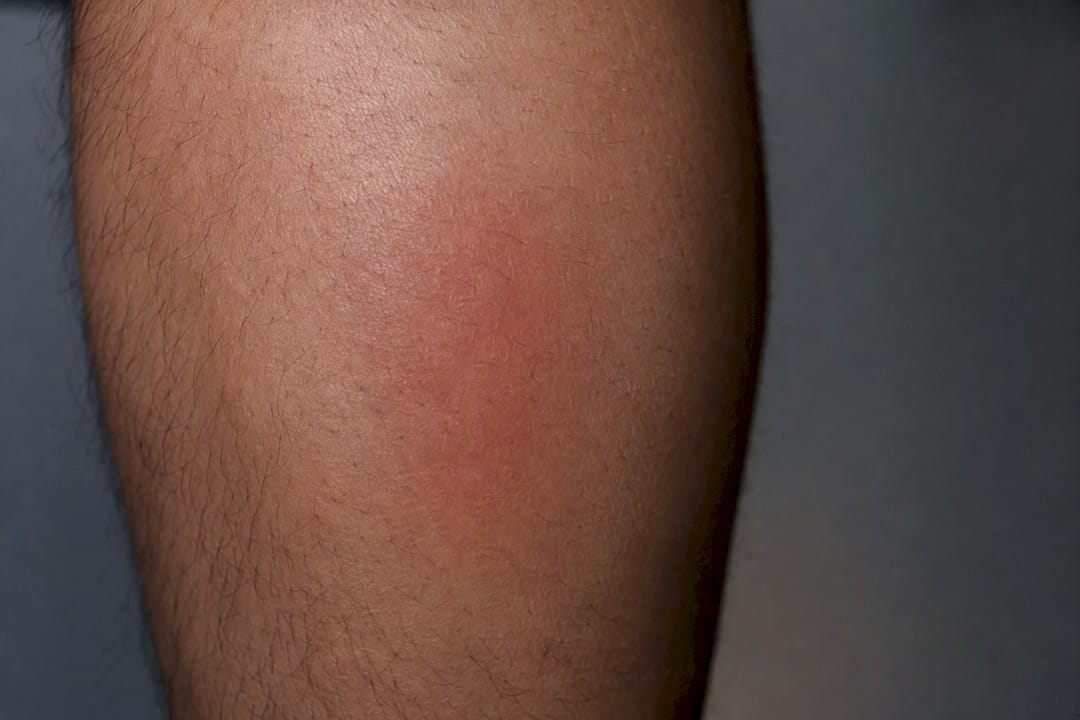
Topical CBD carries a fundamentally different risk profile than oral CBD, and that distinction matters for anyone applying it to a sore shin every day for weeks. Oral cannabinoids at high doses have been linked to liver enzyme elevations in some studies, a concern the PMC review on cannabinoids in chronic pain flags alongside other systemic adverse effects. Topical use largely sidesteps that risk because absorption into the bloodstream is minimal. The tradeoff is local skin reactions: redness, itching, or a rash, usually tied to a carrier oil or added ingredient like menthol rather than the CBD itself.
Drug interactions are a real consideration even with topical use, though the risk is lower than with oral products. CBD is metabolized through the CYP450 liver enzyme pathway, the same system that processes many prescription medications, including certain blood thinners and some antidepressants. If you're on a prescription that carries a grapefruit warning, that's a reasonable signal to check with a doctor or pharmacist before adding regular CBD use, topical or otherwise.
For competitive athletes, the anti-doping picture is more settled than most people expect. USADA's guidance on marijuana and CBD confirms that CBD itself was removed from the prohibited list, but THC and other cannabis compounds remain banned. That distinction is exactly why contamination is the real threat, not CBD itself.
- Unregulated or mislabeled products can contain trace THC even when labeled "THC-free."
- Third-party lab testing and a Certificate of Analysis (COA) are the only reliable way to confirm what's actually in the jar.
- Athletes competing under WADA or USADA rules should keep a saved copy of the COA for any product used before an event.
- Stop use and consult a doctor if you notice a rash that doesn't resolve, unusual fatigue, or any signs of liver issues like yellowing skin or dark urine.
What to Look for in a CBD Topical for Shin Splints
Not every balm on the shelf is built the same way, and the label tells you most of what you need to know before you buy. Start with the Certificate of Analysis. If a brand can't produce that document, treat that as a dealbreaker, not a minor gap.
Formulation matters almost as much as potency. Ingredients like arnica, menthol, capsaicin, and turmeric have their own long history in topical pain relief and can work alongside CBD rather than against it. Watch out for heavy synthetic fragrance or filler oils that add irritation risk without adding benefit, especially if you have sensitive skin or plan to apply the product daily for weeks.
A few practical shopping habits go a long way:
- Look for potency listed in milligrams of CBD per ounce, not vague marketing terms like "extra strength."
- Favor brands offering sample sizes so you can patch test before committing to a full container.
- Check for a clear refund policy, which signals the brand stands behind its efficacy claims.
- Prioritize formulations built specifically for muscle and joint pain rather than general-purpose lotions with CBD added as an afterthought.
Why We Formulated Balms Specifically for Athlete Recovery
Editorial coverage of CBD research tends to stay abstract, focused on trial design and statistical significance. Real shin splints don't care about p-values. They care about whether you can get through a run without wincing at mile two. That gap between clinical literature and daily training reality is exactly why Mongoosecbd built its formulas around athletes and chronic pain sufferers specifically, not general wellness consumers.
The Seriously Soothing Pain Balm pairs 1,000 mg of CBD per ounce with warming actives like cinnamon and clove, useful for the deep ache that shin splints produce after a long run. For post-training recovery specifically, Rikki Tikki Recovery leans on arnica and menthol, ingredients with their own standalone track record in sports medicine. Every batch is THC-free and third-party tested, which matters given the contamination risks covered above. For a deeper look at how topical CBD fits exercise recovery generally, see this breakdown of CBD for muscle recovery.
Why Most Shin-Splint Advice Skips the Boring Part
The conventional wisdom on shin splints treats pain relief and rehab as competing priorities, as if reaching for a balm somehow means you're avoiding the real work. That's backwards. The athletes in the topical CBD pilot trial weren't looking for a shortcut around physical therapy. They wanted enough relief to keep showing up for it.
What gets underestimated is how much untreated pain sabotages consistency. Runners skip strengthening exercises because their shins ache too much to bother, or they sleep poorly and recovery stalls. A topical that takes the edge off doesn't fix a biomechanical problem, but it can be the difference between doing your calf raises tonight and putting them off again.
The gap between what CBD promises online and what the research actually supports is real, and I'd rather you know that going in. Modest, adjunct-level benefit. Not a miracle, not snake oil. Use it to support the rehab you should already be doing, watch for red flags like pinpoint bone pain, and don't let a good-feeling balm talk you into ignoring a stress fracture.
— Cindy
Try a Starter Balm and See How Your Shins Respond
If you're ready to test whether topical CBD fits your recovery routine, the Seriously Soothing Pain Balm is a sensible starting point. Its cinnamon and clove formulation targets deep, aching pain, which matches the pattern most runners describe with shin splints, and at 1,000 mg of CBD per ounce it delivers a meaningful dose without guesswork.
Run the patch test described earlier before your first full application, then give it a real trial of two to six weeks alongside your rehab work, not instead of it. Because Mongoosecbd backs every order with a 30-day refund policy, you can trial it against your own shins without worrying about wasting money on a product that doesn't suit your skin or your pain pattern. If you'd rather start with a menthol-and-arnica approach for post-run recovery, Rikki Tikki Recovery is the better fit. Either way, order today and start your trial period before your next training block.
Key Studies and Clinical Resources
- Living Systematic Review on Cannabis and Other Plant-Based Treatments for Chronic Pain: the largest pooled review of CBD's effect on pain and function.
- Topical cannabidiol tolerability pilot trial: the athlete-specific study behind this article's practical protocol.
- Harvard Health: Can CBD oil help manage pain?: mechanism overview and current FDA status.
- Cannabinoids in chronic pain review: balanced look at benefits versus adverse effects.
- Mayo Clinic: Shin splints: standard conservative-care guidance and red flags.
This article is general information, not a substitute for advice from a qualified doctor. Consult a qualified healthcare professional about your own circumstances before acting on anything here.
Sources
- Living Systematic Review on Cannabis and Other Plant-Based Treatments for Chronic Pain: 2025 update (NCBI Bookshelf)
- Topical cannabidiol is well tolerated in individuals with a history of elite physical performance and chronic lower extremity pain (Journal of Cannabis Research)
- Can CBD oil help manage pain? (Harvard Health)
- Cannabinoids in chronic pain: clinical outcomes, adverse effects and legal challenges (PMC review)
- Shin splints - Mayo Clinic