
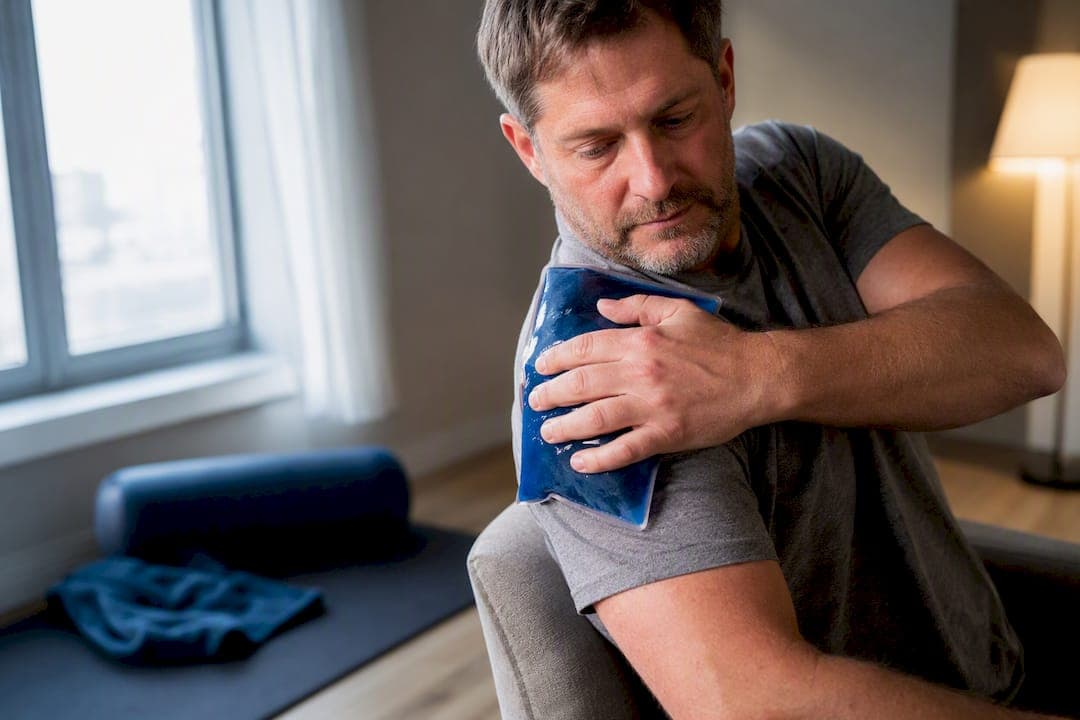
Topical CBD may ease bursitis pain and inflammation for some people, and a 2022 randomized trial on joint pain backs that up with real short-term results. Evidence for oral or systemic CBD remains thin and mixed. Start with a topical product, patch test first, and talk to your doctor before adding CBD if you take other medications.
TL;DR:
- Applying topical CBD directly over the inflamed bursa has shown potential for pain relief, with a small trial indicating measurable improvements without adverse effects.
- Delivery method significantly impacts CBD's effectiveness, with topical application offering localized effects, while oral or inhaled forms are less proven and act more systemically.
- Starting with a patch test and applying a pea-sized amount two to three times daily over two weeks helps assess CBD's benefit before increasing dosage or trying other forms.
- CBD's safety profile is generally favorable, but drug interactions via liver enzymes require consultation with a healthcare provider, especially for those on other medications.
- Verified third-party testing and choosing THC-free products are key when selecting CBD balms, with full-spectrum options potentially carrying trace THC that could affect drug testing.
Table of Contents
- What Bursitis Is and Why CBD Could Help
- What the Research Says About CBD for Joint Pain and Bursitis
- Topical vs Oral vs Inhaled: Choosing a Format for Bursitis
- Safety, Side Effects, and Drug Interactions to Check Before Trying CBD
- How to Use CBD for Bursitis: Dosing, Application, and Trial Plan
- What to Look for When Shopping for CBD Products for Bursitis
- The Gap Between CBD's Reputation and Its Actual Evidence
- Try a Topical CBD Balm Built for Localized Joint Pain
- Sources
What Bursitis Is and Why CBD Could Help
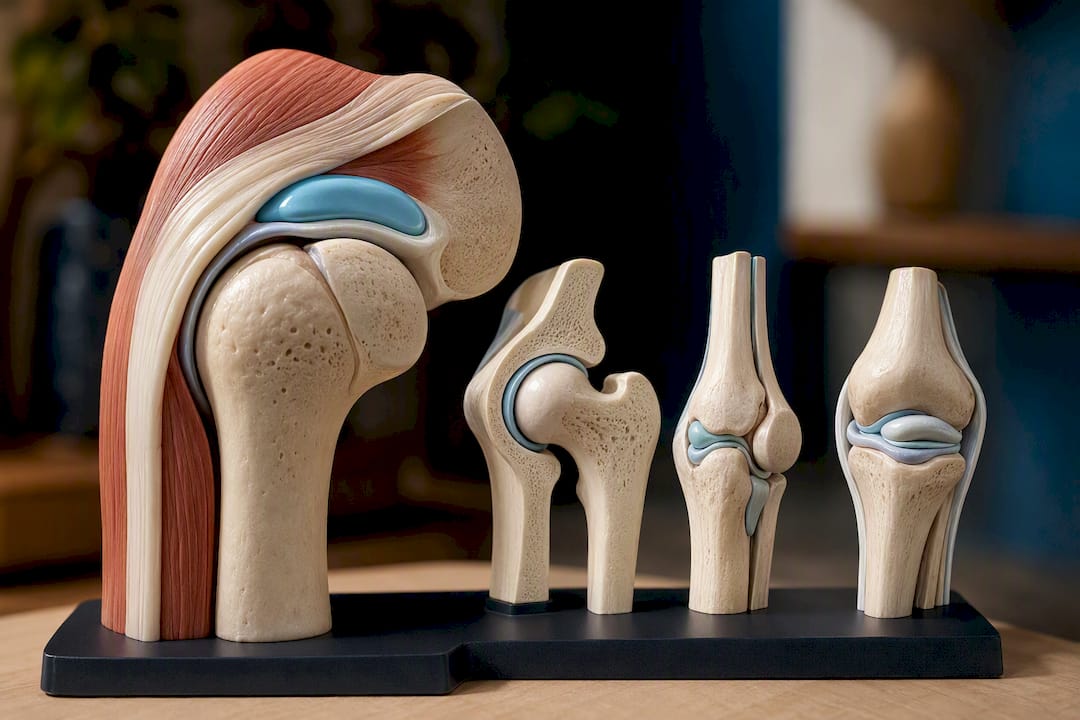
Bursitis is inflammation of a bursa, the small fluid-filled cushion that keeps tendons, muscles, and bones from grinding against each other during movement. It shows up most often at the hip, shoulder, elbow, and knee, usually from repetitive motion, direct pressure, or an old injury that never fully calmed down.
Standard care has looked the same for decades: rest, ice, NSAIDs like ibuprofen, physical therapy, and, for stubborn cases, a corticosteroid injection. Those tools work for a lot of people, but NSAIDs carry stomach and kidney risks with long-term use, and steroid shots lose effectiveness if repeated too often.
That gap is where CBD enters the conversation. Cannabidiol interacts with the body's endocannabinoid system, which helps regulate pain signaling and inflammatory response. The plausible mechanism isn't that CBD "cures" bursitis. It's that it may dial down the local inflammatory cascade and blunt pain signals enough to make daily movement more tolerable.
What makes this biologically reasonable for a joint condition:
- Bursitis inflammation involves the same signaling pathways CBD is thought to influence.
- Localized swelling means a topical product can act close to the source instead of traveling through the whole body.
- Reduced discomfort could support better adherence to physical therapy, which remains a core part of recovery.
What the Research Says About CBD for Joint Pain and Bursitis
No large clinical trial has tested CBD specifically for bursitis. What exists comes from adjacent joint conditions, and the strongest signal points toward topical use.
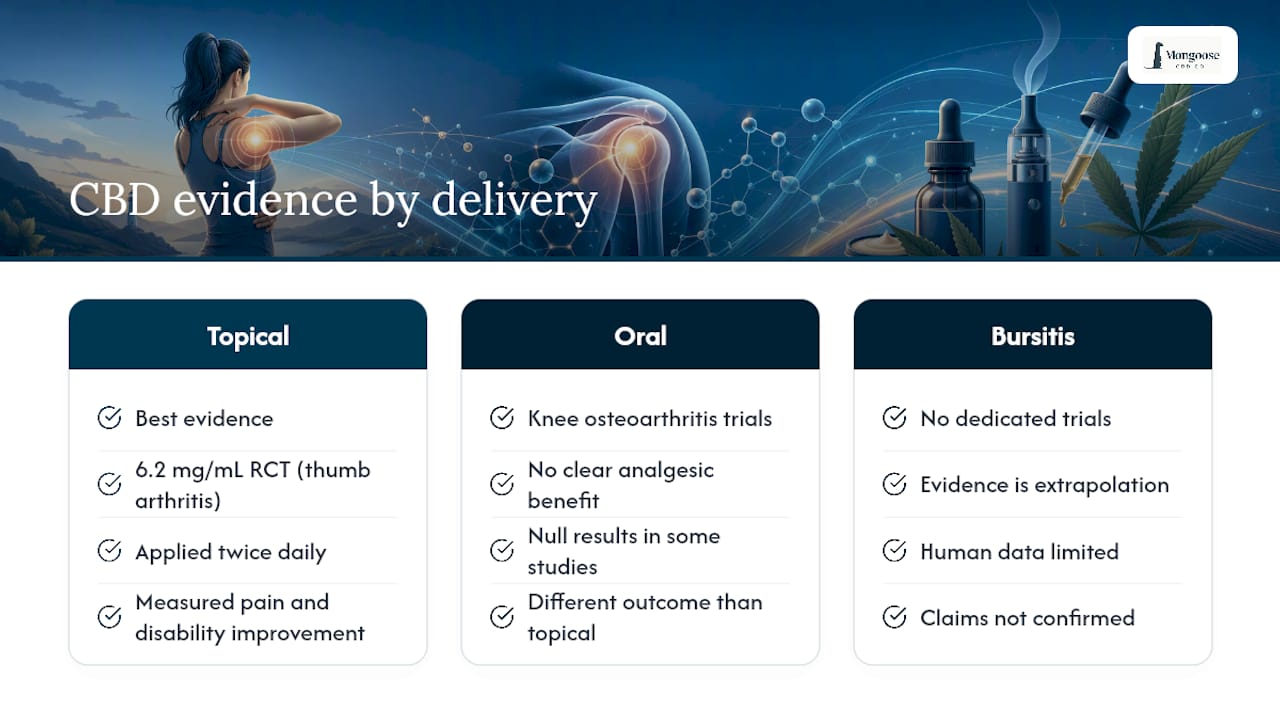
The clearest data comes from a randomized controlled trial on topical CBD for thumb basal joint arthritis, a phase 2 double-blind study. Participants applied a 6.2 mg/mL CBD formulation twice daily against a shea butter control. Those using CBD reported measurable improvements in pain and disability scores, with no adverse events recorded during the trial.
The trial's meaningful takeaway isn't just that CBD outperformed the control. It's that a low-concentration topical, applied consistently for weeks, produced patient-reported gains without a single reported side effect. That combination of modest efficacy and clean safety is rare in pain research.
Separate short-term studies of topical CBD for joint conditions have reported the same pattern of no serious adverse events, which strengthens confidence in topical safety even where efficacy data stays limited.
Oral CBD tells a different story. Trials testing oral CBD for knee osteoarthritis have found no clear analgesic benefit over placebo in some studies. That's a meaningful split: the delivery method appears to matter as much as the compound itself.
What this actually adds up to: one small trial showing topical benefit for a different joint condition, corroborating safety data from similarly small studies, and null results for oral use in osteoarthritis. Harvard Health's review of the evidence is blunt about this: human data on CBD for chronic joint pain remains limited, and bursitis has no dedicated trial at all. Any claim of efficacy for bursitis specifically is extrapolation, not confirmed fact.
Topical vs Oral vs Inhaled: Choosing a Format for Bursitis
Delivery method changes everything about how CBD behaves in your body, and for a localized problem like bursitis, that difference matters more than the CBD concentration on the label.
Topical application puts CBD directly at the site of inflammation. Systemic absorption is minimal, which limits interaction risk with other medications, and it's the format with the only real clinical trial data behind it for joint conditions.
Oral or sublingual CBD works differently. It passes through the digestive system or bloodstream, reaches the whole body, and takes longer to act; onset can run 30 minutes to two hours. Dosing is harder to standardize between brands, and as the osteoarthritis trials showed, results are inconsistent.
Inhaled CBD acts fastest, sometimes within minutes, but it introduces respiratory risk that has no upside for a localized joint issue. There's no clinical rationale for inhaling anything to treat bursa inflammation in an elbow or hip.
A sensible trial order looks like this:
- Start topical, applied directly over the affected bursa.
- Give it two to three weeks before judging results.
- If topical alone isn't enough, discuss sublingual or oral options with your doctor rather than escalating on your own.
- Skip inhaled products entirely for this use case.
Pro Tip: Apply topical CBD right after a warm shower. Warmth opens pores and increases local blood flow, which may help the product absorb more effectively into the skin over the bursa.
Safety, Side Effects, and Drug Interactions to Check Before Trying CBD
CBD is generally well tolerated, but "well tolerated" doesn't mean risk-free, especially if you're already on medication for another condition.
Common side effects include drowsiness, dry mouth, and mild digestive upset. Rare but more serious is a signal for liver enzyme elevation, which is why anyone on liver-affecting medications should loop in their doctor first.
The bigger concern is drug interactions. CBD is processed by the same CYP450 liver enzymes that metabolize many common drugs, including warfarin, certain antidepressants, corticosteroids, and some pain medications. That shared pathway can raise or lower blood levels of those drugs in ways that matter clinically.
Before starting CBD, take these steps:
- Tell your prescriber about every medication and supplement you take, and ask specifically about CYP450 interactions.
- Choose THC-free formulations if you're subject to workplace drug testing; full-spectrum products can carry trace THC even under the 0.3% legal threshold.
- Keep a simple diary logging dose, timing, and any new symptoms.
- Stop and call your doctor if you notice unusual fatigue, yellowing skin, or unexplained bruising.
How to Use CBD for Bursitis: Dosing, Application, and Trial Plan
A structured trial beats guessing, and it only takes two weeks to know whether topical CBD is doing anything useful for your bursa pain.
- Patch test first. Apply a small amount to unaffected skin and wait 24 hours, watching for redness, itching, or irritation before using it on the painful joint.
- Apply topically two to three times daily. A pea-sized amount rubbed directly over the affected bursa, whether hip, shoulder, elbow, or knee, is a reasonable starting point.
- If adding a sublingual product, go low and slow. The Arthritis Foundation recommends starting around 5 to 10 mg twice daily, then adjusting gradually based on response.
- Run a two-week trial. Log pain on a 0 to 10 scale, note sleep quality, and track whether you're leaning less on NSAIDs.
- Reassess at day 14. If there's no meaningful change, that's your signal to talk with your clinician about other options rather than pushing the dose higher on your own.
Pro Tip: Log your pain score at the same time each day, ideally before your first dose. Morning stiffness readings are more consistent than end-of-day scores, which get skewed by how much you moved.
What to Look for When Shopping for CBD Products for Bursitis
Not every CBD balm on the shelf deserves your trust, and label claims alone won't tell you what's actually inside the jar.
- Demand a current third-party Certificate of Analysis (COA) that confirms both CBD potency and the absence of heavy metals, pesticides, or solvent residue.
- Match the COA to the label. A jar claiming 1,000 mg per ounce with no COA, or one showing contaminants, is a red flag worth walking away from.
- Check for adjunct ingredients like menthol or arnica. These can produce their own sensory relief independent of CBD, which is fine for relief but worth knowing if you're trying to isolate CBD's specific effect.
- Decide between full-spectrum and isolate. Full-spectrum products may carry trace THC, which matters if you face drug testing at work; isolate products are THC-free by design.
The Gap Between CBD's Reputation and Its Actual Evidence
The biggest misconception about CBD and joint pain is treating it as either a miracle or a scam. Neither framing survives contact with the actual data. One well-designed trial found a real, measurable benefit for topical CBD on a joint condition. Oral trials for a similar condition found nothing. That's not contradiction, it's a pattern: the delivery method is doing at least as much work as the molecule.
What gets underestimated is how much a two-week structured trial protects you from wasting money or false hope. Most people either quit after three days because they expected instant relief, or they keep using a product for months without tracking whether it's actually helping. A dosing diary sounds unglamorous, but it's the difference between a decision based on evidence and one based on wishful thinking.
If you try a topical CBD balm formulated for arthritis and joint pain alongside something like Mongoose CBD Co.'s Seriously Soothing Pain Balm or Rikki Tikki Recovery, judge it the way the researchers judged their trial subjects: with a defined timeline and a pain scale, not a vague feeling.
— Cindy
Try a Topical CBD Balm Built for Localized Joint Pain
Mongoosecbd's balms give you a way to run the topical trial the research actually supports, without guessing at concentration or wading through vague labels. Each formula delivers 1,000 mg of CBD per ounce alongside arnica, menthol, and other pain-relieving ingredients chosen for localized joint and muscle relief, exactly the kind of targeted application the thumb arthritis trial tested.
The Seriously Soothing Pain Balm works well for a two-week trial over an inflamed hip, shoulder, or elbow bursa, while Rikki Tikki Recovery is built for athletes managing recurring soreness around the same joints. Every formula is vegan, non-GMO, paraben-free, and THC-free, so trace-THC drug testing concerns don't apply. Patch test on your forearm first, then apply a pea-sized amount over the affected bursa two to three times daily and log your pain score for two weeks.
If it doesn't deliver, Mongoosecbd backs every purchase with a 30-day refund, so trying it costs you nothing but the two weeks. Start your trial with the Seriously Soothing Pain Balm today.
This article is general information, not a substitute for advice from a qualified doctor. Consult a qualified healthcare professional about your own circumstances before acting on anything here.
Sources
- CBD for arthritis pain | Arthritis Foundation
- Does CBD help with arthritis pain? - Harvard Health
- Potential interactions between cannabidiol and commonly used drugs