
Cannabidiol (CBD) itself is not on WADA's Prohibited List, but that does not make any CBD product safe for tested athletes. The commercial CBD market is poorly regulated, and many products contain THC or other prohibited cannabinoids that can trigger an anti-doping rule violation (ADRV). USADA is explicit: athletes are strictly liable for every substance found in their sample, regardless of what the label says. Before you open any CBD product, verify a current third-party Certificate of Analysis (COA) from an accredited lab for that specific batch.
The three risks every athlete must understand before using CBD:
- THC contamination: Products labeled "THC-free" or "broad-spectrum" can still contain detectable THC.
- Inaccurate labeling: Published testing consistently finds that many products do not match their stated cannabinoid content.
- Drug interactions: CBD inhibits CYP450 liver enzymes and can alter how your body processes prescription medications.
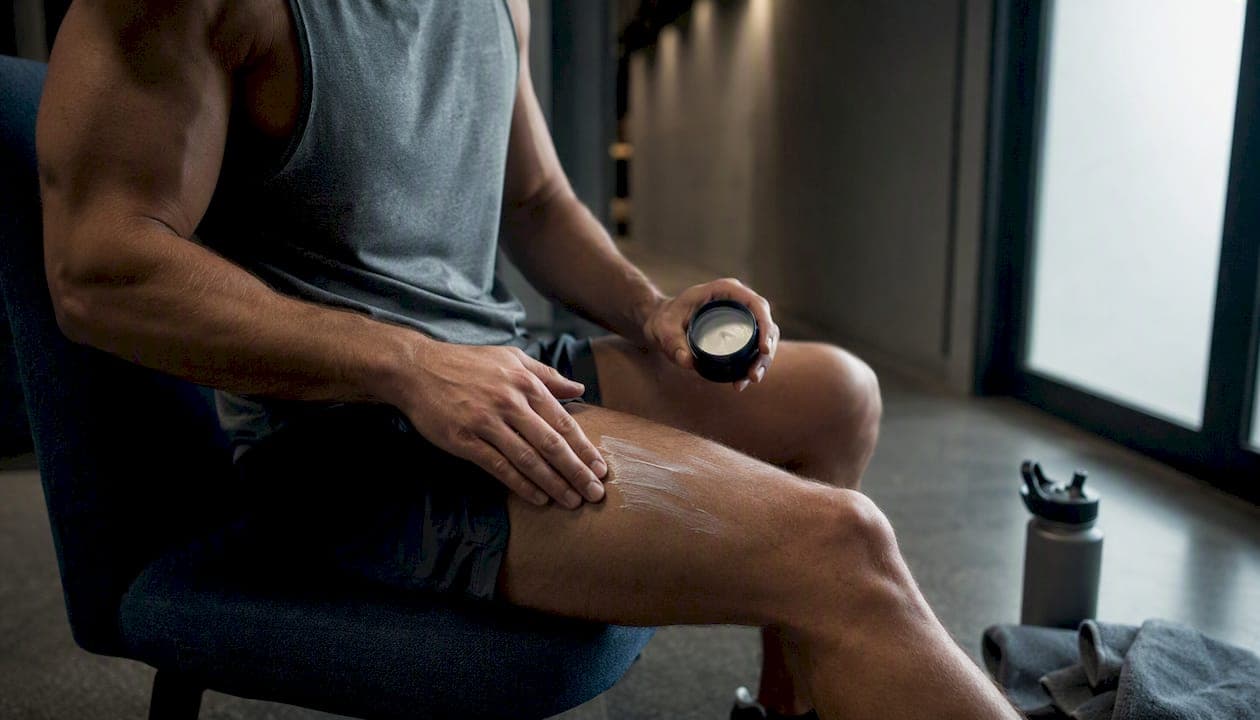
Pro Tip: Topical balms generally produce lower systemic cannabinoid exposure than oral or inhaled products, making them the lower-risk starting point for athletes who want targeted relief without raising systemic THC levels.
Key Takeaways
CBD itself is not banned under WADA or USADA rules, but no commercial CBD product is risk-free for tested athletes, and topical, COA-verified products represent the lowest-risk practical option.
| Point | Details |
|---|---|
| CBD is permitted, products are not guaranteed | WADA removed CBD from the Prohibited List in 2018, but THC and other cannabinoids in products remain prohibited in-competition. |
| Strict liability is absolute | Athletes are responsible for every substance in their sample; a contaminated product is not a valid defense. |
| Evidence is limited but real for sleep and pain | A systematic review found limited positive effects on VO2 and mean power; RCT data shows no performance gain at 50–300 mg oral. |
| COA verification is non-negotiable | Require a batch-specific COA from an ISO 17025 accredited lab before using any product; labels alone are unreliable. |
| Mongoosecbd topicals are a lower-risk option | THC-free, COA-backed, 1,000 mg/oz topical balms designed for targeted training recovery with a 30-day refund policy. |
Table of Contents
- What CBD is and how it works in an athlete's body
- What the research actually shows for athletes
- Safety concerns and anti-doping risk: what can actually get you banned
- US legal status and what the FDA actually says
- Topical vs. oral vs. inhaled: which route makes sense for athletes
- How to choose a genuinely athlete-appropriate CBD product
- Dosing, side effects, and drug interactions
- Practical timing, testing windows, and college athlete considerations
- Why topical formulation quality matters for athletes
- A coach's honest take on CBD in sport
- Mongoosecbd offers a lower-risk topical option for athletes
- Sources
What CBD is and how it works in an athlete's body
Cannabidiol is a non-intoxicating cannabinoid found in cannabis and hemp plants. Unlike THC, it does not produce a high and does not bind strongly to the CB1 receptors responsible for psychoactive effects. For athletes, the relevant mechanism is its interaction with the endocannabinoid system (ECS), a signaling network that helps regulate inflammation, pain perception, sleep, and stress responses.
Exercise stresses the ECS directly. Intense training elevates anandamide (a naturally occurring endocannabinoid), and CBD appears to slow its breakdown by inhibiting the enzyme FAAH. The result, in theory, is prolonged anti-inflammatory and analgesic signaling. CBD also interacts with TRPV1 receptors involved in pain and heat sensation, and with serotonin receptors that influence anxiety and sleep quality. None of these mechanisms are unique to athletes, but they map onto problems athletes actually face: delayed-onset muscle soreness, competition anxiety, and disrupted sleep during heavy training blocks.
Product types and what they mean for systemic exposure
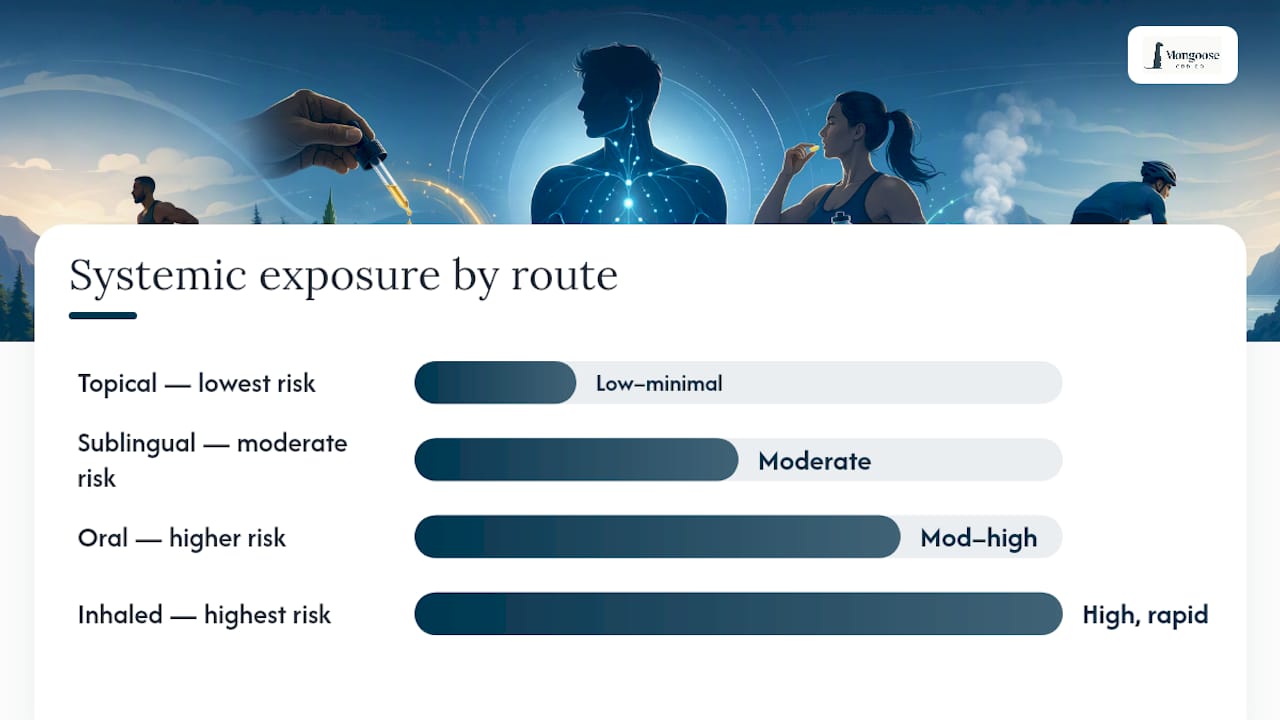
| Route | How it's used | Typical systemic exposure | Athlete risk notes |
|---|---|---|---|
| Topical (balm, cream) | Applied directly to skin over target area | Low to minimal | Lowest anti-doping risk; limited systemic absorption in most formulations |
| Oral (tincture, capsule, gummy) | Swallowed or held under tongue | Moderate to high | Higher risk; any contaminating THC enters systemic circulation |
| Sublingual (tincture held under tongue) | Absorbed through mucous membrane | Moderate | Faster onset than capsules; same contamination risk as oral |
| Inhaled (vape, smoke) | Breathed in via lungs | High; rapid onset | Highest risk; introduces combustion products and fastest THC delivery |
| Isolate vs. broad/full-spectrum | Isolate = CBD only; broad = multiple cannabinoids, no THC claimed; full = all cannabinoids including THC | Varies by formulation | "Isolate" labeling is frequently unreliable without a COA confirming zero other cannabinoids |
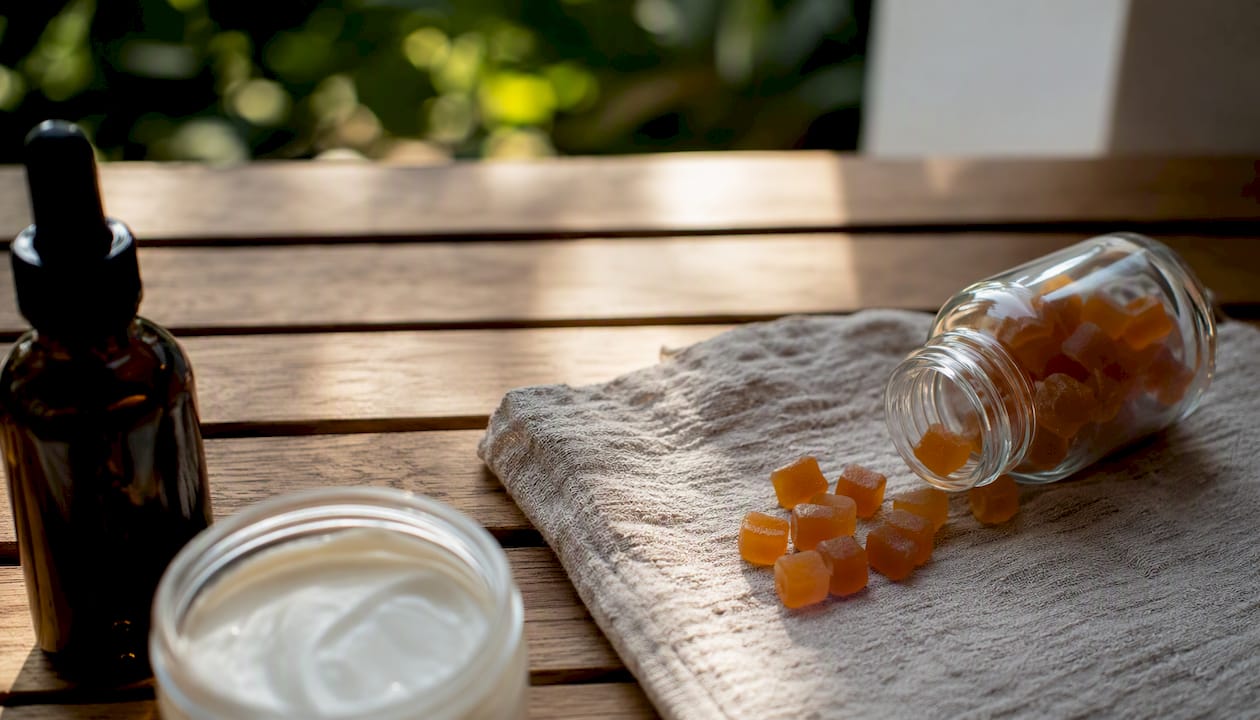
One point worth repeating: "isolate" on a label means nothing without lab verification. Third-party testing is the only way to confirm what is actually in the product.
What the research actually shows for athletes
The honest one-sentence summary: evidence is promising for sleep and anxiety, moderately interesting for pain, and weak to nonexistent for performance gains and most recovery endpoints.
A systematic review covering studies through April 2024 identified limited positive effects of CBD on selected physiological parameters, including VO2 and mean power output, but found weak or no evidence for strength outcomes and post-load recovery. The review called for more research and better safety data before firm conclusions can be drawn.
On the performance side, a randomized, double-blind, placebo-controlled crossover trial in trained runners found that acute oral CBD at 50 mg or 300 mg did not meaningfully change time-to-exhaustion, perceived exertion, heart rate, or VO2 peak. Minor metabolic effects appeared at certain doses, but nothing that would classify CBD as ergogenic. Low-to-moderate oral doses are unlikely to improve your race time.
Where the picture is more interesting is in athlete-reported outcomes. A survey of elite Canadian athletes found that a notable portion of athletes reported past CBD use, with many users citing improved sleep and many users reporting reduced pain as perceived benefits. Anti-doping concerns were the most common reason non-users avoided it, which tells you something about how seriously competitive athletes take the risk.
Evidence summary by claimed benefit
| Claimed benefit | Evidence strength | Practical takeaway |
|---|---|---|
| Pain reduction | Moderate (mostly self-report and animal data) | Some signal; insufficient RCT data to confirm mechanism |
| Inflammation | Preclinical only | No human trial evidence in athletes; do not rely on this claim |
| Sleep quality | Moderate (survey and small trials) | Most consistent self-reported benefit; plausible mechanism |
| Anxiety / pre-competition stress | Moderate (small trials, dose-dependent) | Reasonable basis for use; dose and timing matter |
| Acute endurance performance | Weak to none | RCT shows no effect at 50–300 mg oral |
| Strength outcomes | Weak | Systematic review found no meaningful support |
| Post-load recovery markers | Weak | Systematic review found limited or no benefit |
The main limitations across this body of research: sample sizes are small, dosing protocols vary widely, most studies use acute oral doses (50–300 mg) that are higher than what most consumer products deliver per serving, and follow-up periods are short. The most recent studies were published between 2021 and 2024, so the field is young.
Key signal: The gap between what athletes report (better sleep, less pain) and what controlled trials measure (no performance change) is real. CBD may help with the subjective experience of recovery without moving objective performance markers.
Safety concerns and anti-doping risk: what can actually get you banned
The primary risk is not CBD itself. It is everything else that comes with it.
USADA is unambiguous: athletes should assume most CBD products contain mixtures of cannabinoids. Strict liability means the anti-doping tribunal does not care whether you intended to take THC. If it shows up in your sample during the in-competition window, you face an ADRV. WADA removed CBD from the Prohibited List in 2018, but THC, CBN, CBG, and synthetic cannabinoids remain prohibited in-competition. The threshold for THC in-competition is 150 ng/mL in urine, but reaching that level is easier than most athletes assume if a product is contaminated.
The contamination pathways are specific and worth knowing:
- Cross-contamination during manufacturing: Facilities that process full-spectrum hemp alongside isolate products can contaminate batches.
- Poor purification: Inadequate extraction leaves residual THC even in products marketed as broad-spectrum or isolate.
- Mislabeled potency: The stated CBD content may be significantly higher or lower than actual content, meaning you have no reliable dosing baseline.
- Synthetic cannabinoids: Some low-quality products contain synthetic cannabinoids not listed on the label, which may themselves be prohibited.
Harvard Health notes that inaccurate labeling is widespread across the commercial CBD market, with products frequently failing to match their stated cannabinoid content. Published testing of commercial products has found THC in products labeled as THC-free.
Strict liability in plain terms: You are responsible for what is in your body. "I didn't know" is not a defense. Third-party COA verification reduces your risk but does not eliminate it entirely, because even a clean COA reflects one batch at one point in time.
Practical mitigations: require a COA for the specific batch number on your product, not a generic lab report; avoid full-spectrum products during competition windows; and treat topicals as your lower-risk default when targeted relief is the goal.
US legal status and what the FDA actually says
That covers most commercial CBD products sold in the United States. Marijuana-derived CBD, however, remains a Schedule I controlled substance under federal law regardless of state legalization.
The possession question and the marketing question are different things. The FDA has stated that it is unlawful to market CBD in dietary supplements or to add CBD to food products under current federal law. The agency has issued enforcement actions against companies making unapproved therapeutic claims, and the only FDA-approved CBD product is Epidiolex, a prescription drug for specific seizure disorders. No over-the-counter CBD product has FDA approval. That regulatory gap is why the market is so inconsistent: companies can sell CBD products, but they cannot legally call them supplements or make disease claims, and enforcement is uneven.
State laws add another layer. Some states have stricter possession rules, and a few still treat hemp CBD ambiguously. This matters most when you travel.
Pro Tip: When traveling to competitions, carry the COA and product label for any CBD product in your bag. Check the specific state's hemp laws and your event's anti-doping rules before you travel, not after.
Topical vs. oral vs. inhaled: which route makes sense for athletes
Topical products carry the lowest systemic exposure risk. That is the starting point for any athlete who wants to use CBD while minimizing anti-doping exposure.
Topical (balms, creams, salves)
Applied directly to skin, topical CBD targets the local tissue without significant systemic absorption in most standard formulations. Harvard Health notes that topical application can reduce systemic exposure compared with oral forms, which is the core reason topicals are the preferred route for athletes who need targeted muscle or joint relief. Onset is relatively fast for local effects (15–45 minutes for many users), and duration extends several hours depending on formulation. The anti-doping risk is low but not zero: some formulations include transdermal enhancers (penetration agents like DMSO or certain terpenes) that increase systemic absorption. Check the COA for per-serving cannabinoid content and confirm the product does not list transdermal enhancers in the ingredient list.
Oral (capsules, gummies, tinctures)
Oral CBD enters systemic circulation, which means any contaminating THC does too. Onset is slow (30–90 minutes for capsules and gummies), duration is longer (4–8 hours), and bioavailability is lower than sublingual or inhaled routes. The contamination risk is fully systemic. For tested athletes, oral CBD during the in-competition window is the highest-consequence choice.
Sublingual (tinctures held under the tongue)
Faster onset than swallowed capsules (15–45 minutes), absorbed through the mucous membrane before hitting the digestive system. Bioavailability is higher than oral. The anti-doping risk profile is the same as oral: any contaminating cannabinoid enters circulation.
Inhaled (vape, smoke)
Fastest onset, highest peak systemic levels, and the additional concern of combustion byproducts. No tested athlete should use inhaled CBD products during a competition window. The risk-to-benefit ratio is poor regardless of the COA quality.
How to choose a genuinely athlete-appropriate CBD product
Start with one rule: if you cannot verify the COA for the specific batch in your hand, do not use the product. Everything else follows from that.
The pre-purchase checklist
- Request the batch-specific COA. The COA must match the batch number printed on your product. A generic lab report from six months ago covers a different batch.
- Confirm non-detectable THC and other cannabinoids. The COA should show THC below the lab's limit of detection, not just "below 0.3%." Other cannabinoids (CBN, CBG, synthetic cannabinoids) should also be non-detectable or clearly listed.
- Verify lab accreditation. The testing lab should be ISO 17025 accredited. An unaccredited lab's COA is not meaningful verification.
- Check manufacturing quality signals. Look for GMP (Good Manufacturing Practice) certification on the manufacturer's site, a clear ingredient list with no vague "proprietary blend" language, and a batch number that matches the COA.
- Consult your team physician and anti-doping officer. Before any CBD use, get clearance from your medical staff. Your anti-doping officer can advise on your sport's specific testing windows and thresholds.
- Run a personal risk assessment. How close is your next competition? How frequently are you tested? Is your sport subject to WADA, USADA, or a different governing body? The answers change your risk tolerance.
Questions to ask your team physician or anti-doping officer
- Does my sport's governing body have specific guidance on CBD use?
- What is the in-competition testing window for my next event?
- Do any of my current medications interact with CBD via CYP450 pathways?
- Is topical use considered lower risk under our specific anti-doping program?
Red flags that should stop you immediately
- No COA available, or the company refuses to provide one.
- Vague batch information (no batch number on the product or COA).
- The testing lab cannot be verified as ISO 17025 accredited.
- The product makes disease cure claims or is marketed as a "performance supplement" with specific ergogenic promises.
- The label says "THC-free" but no COA confirms it at the detection limit level.
- The ingredient list includes vague terms like "hemp extract blend" without specifying cannabinoid content.
Dosing, side effects, and drug interactions
CBD is generally well tolerated in healthy adults, but "well tolerated" does not mean without consequence, especially for athletes on prescription medications.
Most exercise research uses acute oral doses of 50–300 mg, which is substantially higher than what most consumer products deliver per serving. Prescription Epidiolex doses for seizure disorders are higher still and are managed under physician supervision. For athletes considering CBD, starting at the low end of studied doses and increasing only with physician oversight is the conservative approach. There is no established "athlete dose" in the peer-reviewed literature.
The drug interaction concern is specific and clinically important. Harvard Health notes that CBD inhibits CYP450 liver enzymes in a manner similar to grapefruit juice, which means it can slow the metabolism of medications that use those pathways. The practical result: drugs that are normally cleared quickly may accumulate to higher-than-intended levels. Medication classes of concern include anticoagulants (warfarin), certain antiepileptics (clobazam, valproate), and immunosuppressants (tacrolimus, cyclosporine). If you take any prescription medication, discuss CBD use with your prescribing physician before starting.
Common side effects reported in clinical studies:
- Nausea and gastrointestinal discomfort (more common with oral forms)
- Fatigue or sedation (dose-dependent)
- Appetite changes (increase or decrease)
- Diarrhea (particularly at higher doses)
- Elevated liver enzymes (reported at high doses in clinical trials; relevant for athletes already stressing hepatic function with training)
None of these are severe at typical consumer doses, but they are real. Topical use avoids most of these systemic effects, which is another practical argument for starting there.
Practical timing, testing windows, and college athlete considerations
The safest rule: avoid oral or inhaled CBD during the in-competition window unless you have zero-risk verification, which in practice means a COA showing non-detectable THC from an ISO-accredited lab on the exact batch you are using.
THC elimination varies significantly between individuals. Factors include body fat percentage (THC is lipophilic and stores in fat tissue), frequency of use, dose, and individual metabolism. A single exposure from a contaminated product could produce detectable urinary THC for days in some individuals. There is no reliable universal washout window, which is why conservative athletes avoid oral CBD entirely in the days before competition.
Practical timing and travel guidelines:
- Restrict oral or inhaled CBD to the out-of-competition training period only.
- If you use topicals, apply them to intact skin, use the minimum effective amount, and avoid formulations with transdermal enhancers during competition windows.
- When traveling to events, check the specific state's hemp laws. Some states have stricter rules than federal law.
- Carry your COA and product label in your bag. If a security or event official questions the product, you have documentation.
- For international competitions, check WADA's country-specific guidance. Hemp-derived CBD legal in the US may be classified differently in the destination country.
College athletes and NCAA rules
The NCAA maintains its own prohibited substance list, which includes THC. College athletes are subject to NCAA drug testing in addition to any sport-specific anti-doping program. The NCAA's threshold for THC has changed over time, but the strict liability principle applies: a positive test from a contaminated CBD product is still a positive test. College athletes should consult their athletic trainer or team physician before using any CBD product and should treat the risk as equivalent to or greater than that faced by professional athletes, since NCAA testing programs can be less predictable in timing.
Why topical formulation quality matters for athletes
Properly formulated topical balms can deliver targeted relief while limiting systemic exposure, provided the batch has a clean COA and the formulation avoids transdermal enhancers that push cannabinoids into circulation.
Mongoosecbd's topical balms illustrate what athlete-relevant formulation looks like in practice. The Seriously Soothing Pain Balm and Rikki Tikki Recovery balm use 1,000 mg of CBD per ounce combined with botanicals including arnica, menthol, turmeric, eucalyptus, peppermint, cinnamon, clove, ginger, and cayenne pepper. These are not filler ingredients. Arnica and menthol have established topical analgesic and anti-inflammatory properties, and the combination creates a multi-pathway approach to local pain and soreness that does not depend on systemic absorption to work.
When evaluating any topical for athlete use, look for these formulation features:
- Clear batch number printed on the container that matches the COA.
- COA showing THC below the lab's limit of detection (not just "below 0.3%").
- ISO 17025 accredited testing lab named on the COA.
- GMP manufacturing noted by the producer.
- Transparent ingredient list with no synthetic cannabinoids or unidentified "proprietary" enhancers.
- Vegan, non-GMO, and paraben-free formulation (signals cleaner manufacturing practices).
For additional guidance on topical use for recovery, the CBD for muscle recovery resource from Mongoosecbd covers application protocols in more detail.
Pro Tip: Apply topical balms to intact skin only, use the smallest amount that covers the target area, and wash your hands after application. Avoid applying over broken or abraded skin, where absorption increases significantly. These steps keep systemic exposure as low as possible.
A coach's honest take on CBD in sport
Treat CBD like any other supplement: prove it or pass on it. That is the framework I apply, and it has kept athletes I work with out of trouble.
The research is real but limited. Sleep and pain benefits have the most consistent signal. Performance gains do not. The anti-doping risk is asymmetric: the downside of a contaminated product is a multi-year ban; the upside of CBD is, at best, marginally better sleep and some local soreness relief. That math favors caution.
Pro Tip: If you want to trial CBD, do it during an off-season microcycle when you are not subject to testing. Document everything: the product name, batch number, COA, dose, timing, and any effects you notice. Stop completely at least two weeks before your next competition. Keep those records. If a question ever arises, your documentation is your defense.
Consult your team medical staff before starting. Show them the COA. If they are not comfortable with the product, that is your answer.
Mongoosecbd offers a lower-risk topical option for athletes
Athletes who want targeted muscle and joint relief without the systemic exposure of oral CBD have a practical option in Mongoosecbd's topical balm line. The Seriously Soothing Pain Balm and Rikki Tikki Recovery are formulated at 1,000 mg CBD per ounce with natural analgesic botanicals, are THC-free, vegan, non-GMO, and paraben-free, and come with a 30-day full refund policy.
COAs are available for Mongoosecbd products, and each product carries a batch number so you can match the product in your hand to the lab report. That is the minimum standard any tested athlete should require. These balms are designed for training use and targeted recovery, not as a substitute for medical treatment. Before using any CBD product, consult your physician and anti-doping officer.
Try the Rikki Tikki Recovery balm or grab a free sample to evaluate the formulation before committing.
Sources
The sources below are the primary references for this article. They represent anti-doping governing bodies, peer-reviewed research, and established medical institutions. Athletes and support staff are encouraged to read them directly to verify claims and stay current, since anti-doping rules and FDA guidance can change.
- Athletes: 6 Things to Know About Cannabidiol | USADA
- The Effect of Cannabidiol on Performance and Post-Load Recovery among Healthy and Physically Active Individuals: A Systematic Review - PMC
- CBD products are everywhere. But do they work? - Harvard Health
- The Acute Effects of Cannabidiol on Physiological and Subjective Responses to Endurance Exercise: A Dose-Ranging Randomised Controlled Crossover Trial | Sports Medicine - Open
- Cannabidiol use among elite-level Canadian athletes: the pursuit of improved sleep, pain relief, and enhanced recovery | Frontiers
- FDA public health focus on cannabis and CBD - FDA
This article is general information, not a substitute for advice from a qualified doctor. Consult a qualified healthcare professional about your own circumstances before acting on anything here.