
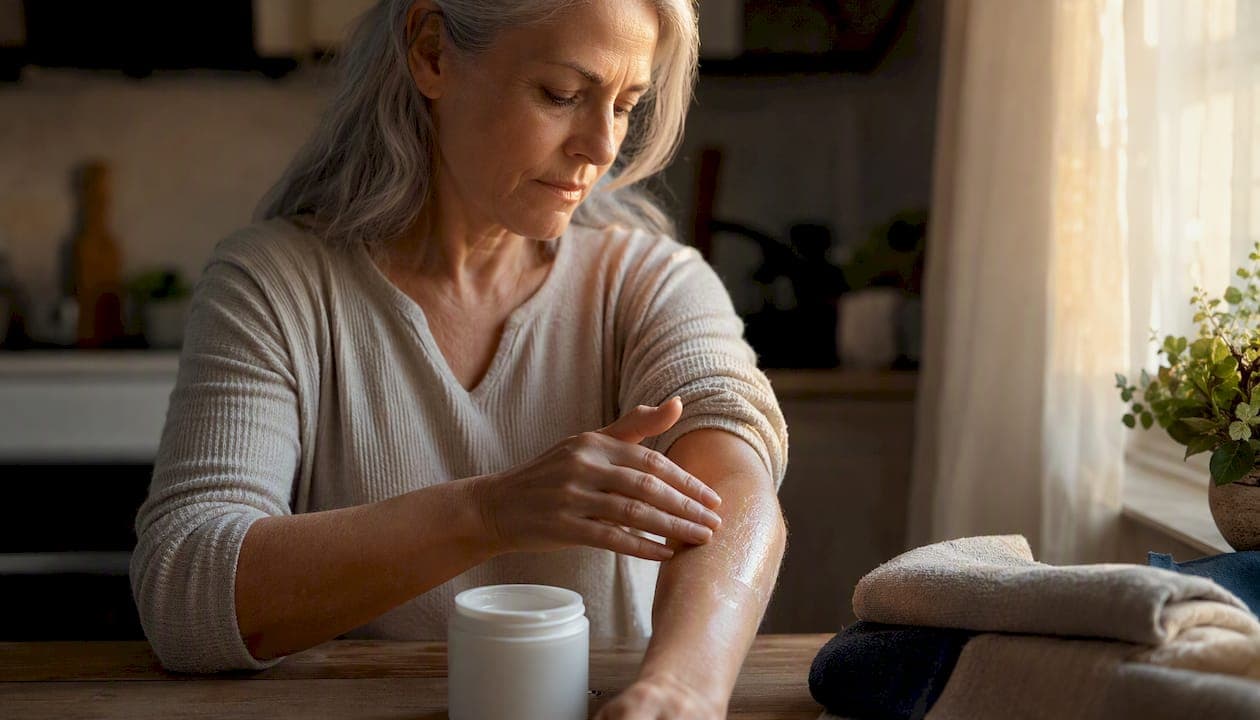
Topical, THC-free CBD balms can provide localized relief for some people with fibromyalgia, but the clinical evidence is limited and mixed. If you want a vetted starting point, Mongoose CBD'S Seriously Soothing Pain Balm, Rikki Tikki Recovery, and Miracle Pain Balm are three well-formulated options worth considering. Each comes with clear mg/oz labeling, third-party certificate of analysis (COA) availability, and a 30-day refund policy.
Before you order, here’s what to know:
-
Topical CBD works locally at the skin and nearby tissue, not systemically, so expect localized relief at specific tender points rather than whole-body fibromyalgia symptom control.
-
Look for a COA confirming cannabidiol content and THC ≤0.3% before buying any product.
-
Run a defined 2–4 week single-point trial (details in the “how to use” section below) before judging whether a balm works for you.
Table of Contents
-
Does CBD for fibromyalgia pain actually have research behind it?
-
What are the safety and legal considerations for U.S. buyers?
-
Why are Mongoosecbd’s balms a vetted choice for localized pain?
-
Where and how do you buy topical CBD balms safely in the U.S.?
-
Are there side effects fibromyalgia patients should watch for specifically?
-
What I actually think about topical CBD for chronic localized pain
Does CBD for fibromyalgia pain actually have research behind it?
The honest answer: there’s a signal, but it’s weak. A 12-week single-arm pilot study in 30 women with fibromyalgia found clinically meaningful reductions in localized pain at both 4 and 12 weeks, with no adverse events reported. That’s encouraging. The problem is the design: no control group, a multicomponent commercial product, and a small sample. As clinical commentators note, the result is hypothesis-generating, not confirmatory.
On the other side, two randomized controlled trials tested topical CBD in acute muscle-damage models and found no benefit. A double-blind RCT of a 1,000 mg topical CBD ointment found no significant difference versus placebo on soreness, inflammation, or strength over 72 hours. A second randomized pilot in the Journal of Cannabis Research found topical CBD gel did not accelerate muscle recovery or reduce delayed-onset muscle soreness (DOMS) compared to placebo. A broader review of cannabinoids and fibromyalgia concludes that evidence across study types is low quality and that larger, methodologically stronger trials are needed.
| Study | Design | N | Intervention | Main result |
|---|---|---|---|---|
| 12-week fibromyalgia pilot | Single-arm, uncontrolled | 30 | Multicomponent topical CBD | Localized pain improved at 4 and 12 weeks; no adverse events |
| DOMS RCT (PMC) | Randomized, double-blind | Not disclosed | 1,000 mg topical CBD ointment | No significant benefit vs. placebo |
| DOMS pilot (JCR) | Randomized, double-blind | Pilot | Topical CBD gel | No improvement in muscle recovery or soreness |
| Cannabinoids review (MDPI) | Systematic review | Multiple | Various cannabinoid approaches | Promising but low-certainty evidence; larger trials needed |
The clearest data point: The 12-week fibromyalgia pilot reported localized pain improvements over time, but its uncontrolled design means that the result cannot isolate CBD as the cause.
The Arthritis Foundation summarizes the situation well: some small trials report improvement, others find no benefit, and product quality varies widely. Their practical guidance is to prioritize third-party lab verification before trusting any product’s claims.
How do topical CBD balms work at the skin level?
Topicals act locally. When you rub a CBD balm onto a tender point, cannabidiol interacts with cannabinoid receptors (CB1 and CB2) in peripheral tissues, including skin, fascia, and nearby nociceptors. It also modulates TRPV1 receptors, which are involved in heat and pain signaling, and may reduce pro-inflammatory cytokines at the application site. Systemic bioavailability from intact skin is low, which is both a feature and a limitation: you avoid psychoactive effects, but you also can’t expect a topical to address the central sensitization that drives fibromyalgia’s whole-body symptoms.
Practical limits worth knowing before you buy:
- Dose and formulation matter. The negative RCTs used well-dosed products and still found no effect in acute models. Carrier oils, penetration enhancers, and adjunct botanicals all affect how much CBD reaches target tissue. For more on CBD and muscle recovery evidence, the research picture is similarly nuanced.
Pro Tip: Pair a CBD balm with adjunct actives like menthol or arnica. Menthol activates TRPM8 cold receptors and produces immediate sensory feedback within minutes, giving you perceived relief while cannabinoids work more slowly at the tissue level. Products that combine both pathways tend to feel more effective in real-world use.
How do you pick a CBD balm for localized fibromyalgia pain?
The single most important checks are clear mg-per-oz labeling, a third-party COA confirming cannabidiol content and THC ≤0.3%, and a transparent ingredient list. Everything else is secondary.
Checklist before you buy:
-
COA link on the product page — The COA should show batch number, cannabidiol content (mg), and a THC result at or below 0.3%. No COA link means no purchase.
-
Adjunct actives. Menthol, arnica, eucalyptus, capsaicin, and essential oils like clove and ginger each add sensory or anti-inflammatory pathways. Check the ingredient profiles for clove oil if you’re sensitive to botanicals.
What are the safety and legal considerations for U.S. buyers?
Topical CBD balms are generally well tolerated on intact skin. The main risks are local: skin irritation, contact dermatitis from botanical ingredients, or sensitization with repeated use. Drug interaction risk from topical application is low because systemic absorption is minimal, but if you apply a balm over a large body surface area or broken skin, some absorption can occur. Anyone on medications metabolized by CYP450 enzymes (certain anticoagulants, antiepileptics, or immunosuppressants) should check with a pharmacist before using CBD products broadly.
Consult a clinician before using topical CBD if you are pregnant, immunocompromised, have a liver condition, or are managing complex polypharmacy.
On the legal side: hemp-derived CBD with ≤0.3% Δ9-THC is federally legal under the 2018 Farm Bill. State rules still vary, so confirm your state’s current position and check that the product’s COA confirms THC at or below the federal threshold before ordering. The FDA has not approved CBD topicals as drugs, so no product can legally claim to treat or cure fibromyalgia. For a parallel look at CBD use in arthritic joint pain, the legal and safety frame is essentially the same.
This article is general information, not medical advice. Confirm current regulations and suitability for your health situation with a qualified clinician or pharmacist.
Why are Mongoosecbd’s balms a vetted choice for localized pain?
Mongoosecbd formulates its balms at 1,000 mg CBD per ounce, which aligns with the concentration benchmark that matters for localized application. All three featured products are THC-free, vegan, non-GMO, paraben-free, and cruelty-free.
| Product | CBD (mg/oz) | Key adjunct actives | THC status | Refund policy |
|---|---|---|---|---|
| Seriously Soothing Pain Balm | 1,000 mg | Menthol, arnica, cinnamon, clove | THC-free | 30-day full refund |
| Rikki Tikki Recovery | 1,000 mg | Arnica, eucalyptus, peppermint, ginger | THC-free | 30-day full refund |
| Miracle Pain Balm | 1,000 mg | Menthol, turmeric, cayenne pepper | THC-free | 30-day full refund |
The Seriously Soothing Pain Balm suits readers who want a warming, spice-forward sensation at tender points. Rikki Tikki Recovery leans toward a cooling, eucalyptus-mint profile and is well-suited for muscle-focused localized pain. The Miracle Pain Balm adds turmeric and cayenne for a different anti-inflammatory adjunct profile.
One honest caveat: these are multicomponent commercial products. The 12-week pilot that generated the localized-pain signal also used a multicomponent topical, which means the published evidence cannot isolate CBD as the sole active. The adjunct ingredients are doing real work too.
Where and how do you buy topical CBD balms safely in the U.S.?
Buy direct from the brand’s own website whenever possible. Brand-direct checkout gives you the clearest path to COA links, batch number verification, and a stated refund policy. Third-party marketplaces sometimes carry outdated inventory or products without accessible COAs. For broader cannabinoid product context, Cannible’s cannabis marketplace is a useful reference for understanding the wider product landscape.
Premium, third-party-tested balms at 1,000 mg/oz typically sit at a higher price point than mass-market options. That premium reflects the testing cost, ingredient quality, and concentration. Mongoosecbd offers a free sample of the Miracle Pain Balm for buyers who want to test before committing to a full tin.
What does the Mongoosecbd refund policy actually cover?
Mongoosecbd backs every purchase with a 30-day full refund policy. If the balm doesn’t deliver results within your trial period, you can request a refund within 30 days of purchase. That policy removes the financial risk of running a personal trial, which is exactly the kind of commitment a brand should make when the clinical evidence is still developing.
Check the product page at checkout for current pricing and package sizes. Shipping timelines and state-specific rules apply, so confirm your state’s hemp-CBD regulations before ordering if you’re in a state with stricter local rules.
Are there side effects fibromyalgia patients should watch for specifically?
People with fibromyalgia often have heightened skin sensitivity and may react to botanical ingredients more readily than the general population. Menthol, clove oil, capsaicin, and cinnamon can all cause a burning or stinging sensation that is more intense on sensitized skin. That’s not necessarily a sign of a problem, but it can be startling.
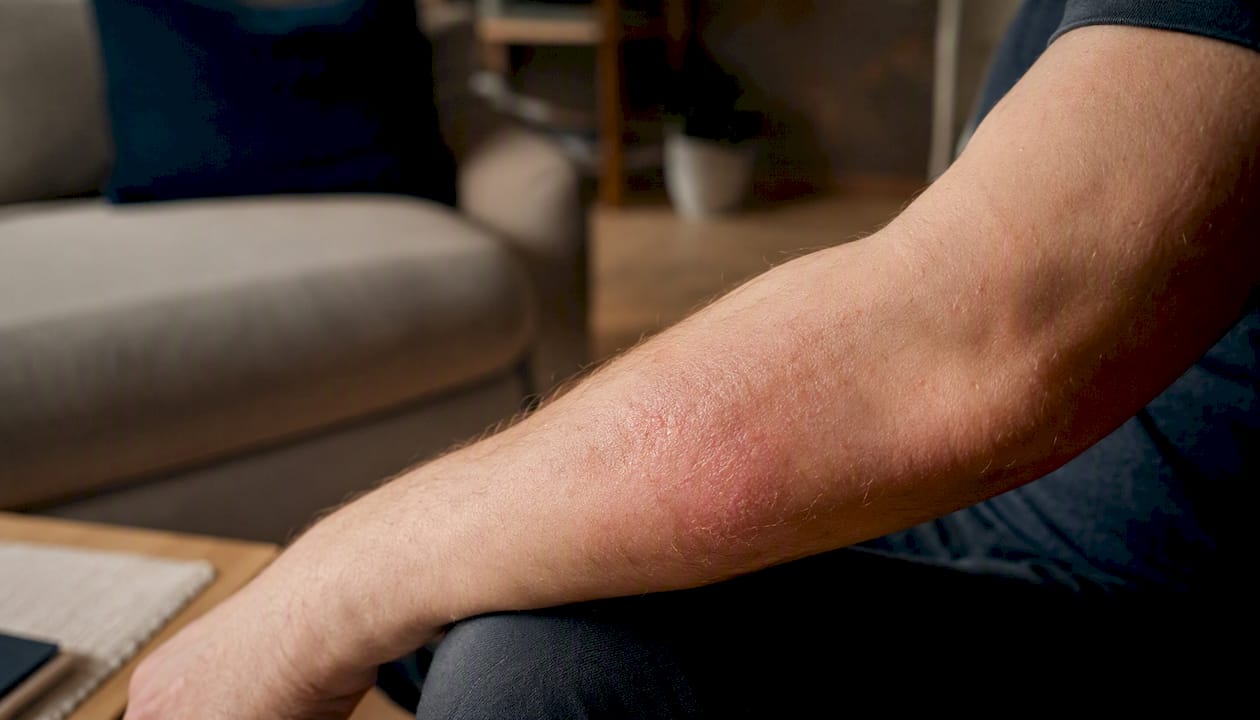
Watch for: localized redness lasting more than an hour after application, itching that worsens with repeated use, or any rash at the application site. These suggest contact sensitization rather than a therapeutic response. Switching to a fragrance-lighter formulation or reducing application frequency usually resolves it. If symptoms persist, stop use and consult a dermatologist.
How should you store a CBD balm to maintain its potency?
CBD oxidizes when exposed to heat, light, and air. Store your balm in a cool, dark location, ideally between 60°F and 70°F. A bathroom cabinet away from the shower works; a car glove compartment in summer does not. Keep the lid tightly closed between uses. Most well-formulated balms have a shelf life of 12–24 months from the manufacture date when stored correctly. Check the batch COA for the manufacture date and don’t use a balm that’s past its stated expiration.
Key Takeaways
Topical CBD balms at 1,000 mg/oz with third-party COAs offer the most credible starting point for localized fibromyalgia pain relief, but a defined 2–4 week trial and realistic expectations are non-negotiable.
| Point | Details |
|---|---|
| Evidence is limited but localized signal exists | A 12-week uncontrolled pilot showed localized pain improvement; RCTs in acute models found no benefit. |
| COA verification is non-negotiable | Always confirm cannabidiol content and THC ≤0.3% via a third-party COA before purchasing any balm. |
| Run a structured trial | Apply to one tender point 2–3 times daily for 2–4 weeks and track pain on a 0–10 diary scale. |
| Watch for skin reactions | Fibromyalgia patients with sensitized skin should patch-test first and monitor for redness or itching. |
| Mongoosecbd offers a vetted option | Three balms at 1,000 mg/oz, THC-free, with a 30-day full refund policy and COA availability. |
What I actually think about topical CBD for chronic localized pain
The conventional framing of this topic tends to go one of two ways: either CBD is dismissed because the RCTs are negative, or it’s oversold because one uncontrolled pilot showed a signal. Neither position is honest.
The more useful read is this: topical CBD balms are a low-risk, low-cost adjunct for localized tender-point pain, not a fibromyalgia treatment. The 12-week pilot matters because it used real fibromyalgia patients and a real localized-pain endpoint, not an exercise-induced acute model. The negative RCTs matter because they remind us that bioavailability and formulation are genuinely unsolved variables. Both things are true at once.
Where I’d push back on the typical advice: most guides tell you to “consult your doctor before using CBD.” That’s fine as a disclaimer, but it undersells the practical reality that most fibromyalgia patients are already managing complex medication regimens. If you’re on anticoagulants, antiepileptics, or immunosuppressants, the CYP450 interaction question is worth a real pharmacist conversation, not a checkbox. The topical route lowers that risk considerably compared to oral CBD, but it doesn’t eliminate it entirely when used over large areas.
The 30-day refund policy at Mongoosecbd is genuinely useful here. A personal trial with a financial safety net is the right way to approach a product category where the evidence can’t yet tell you whether it will work for you specifically.
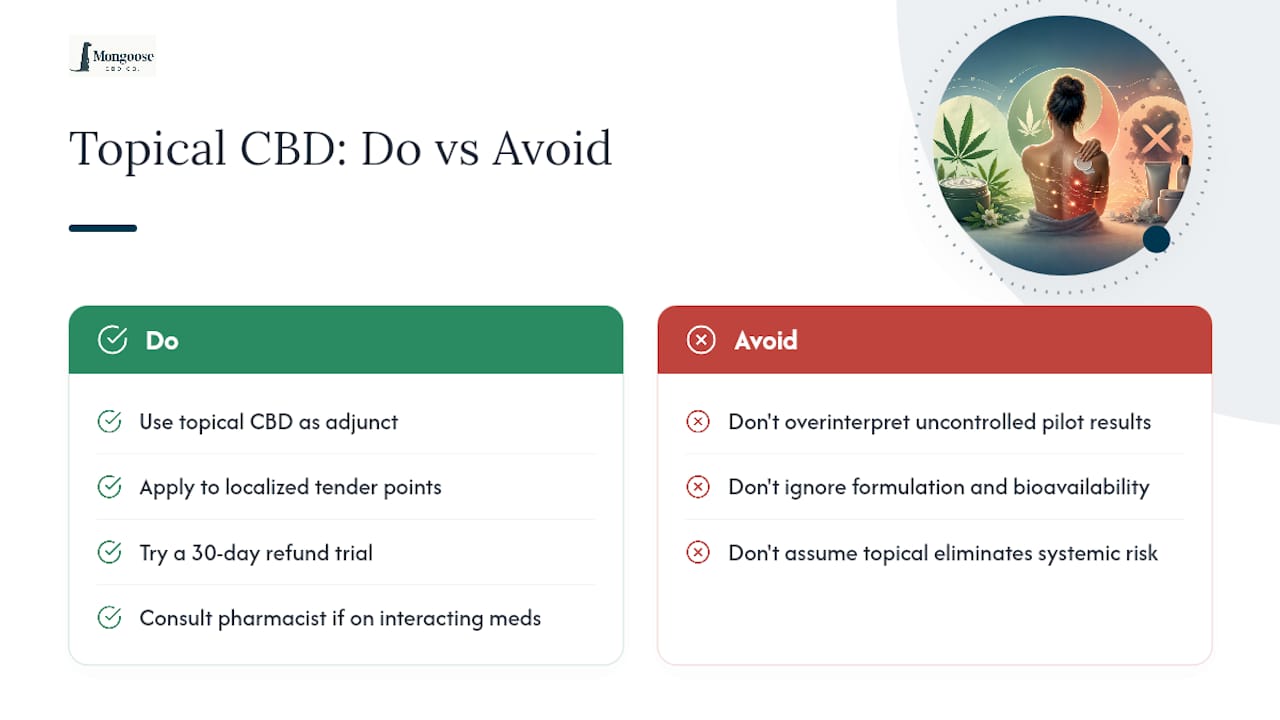
Try a vetted topical CBD balm with a 30-day guarantee
If you’ve read this far, you already know what to look for: 1,000 mg/oz concentration, a third-party COA, THC-free formulation, and a refund policy that lets you run a real trial without financial risk.
Mongoosecbd’s balms check every one of those boxes. The Seriously Soothing Pain Balm and Rikki Tikki Recovery are both formulated at 1,000 mg CBD per ounce with adjunct actives that provide immediate sensory relief while cannabidiol works at the tissue level. Both are THC-free, vegan, paraben-free, and backed by a 30-day full refund. Patch-test on your forearm first, follow the 2–4 week single-point trial protocol, and contact Mongoosecbd’s support team if you have questions about ingredients or your specific situation. Order directly from the product pages to access the current COA and confirm your batch number before your first application.
Useful sources
-
Topical cannabidiol and the progression rate of delayed onset muscle soreness — PMC
-
CBD-Containing Topical Formulation for Localized Pain in Fibromyalgia: A 12-Week Pilot Feasibility Study — Pain Research Forum
-
Cart | Mongoose CBD Co.
-
Cart | Mongoose CBD Co.