
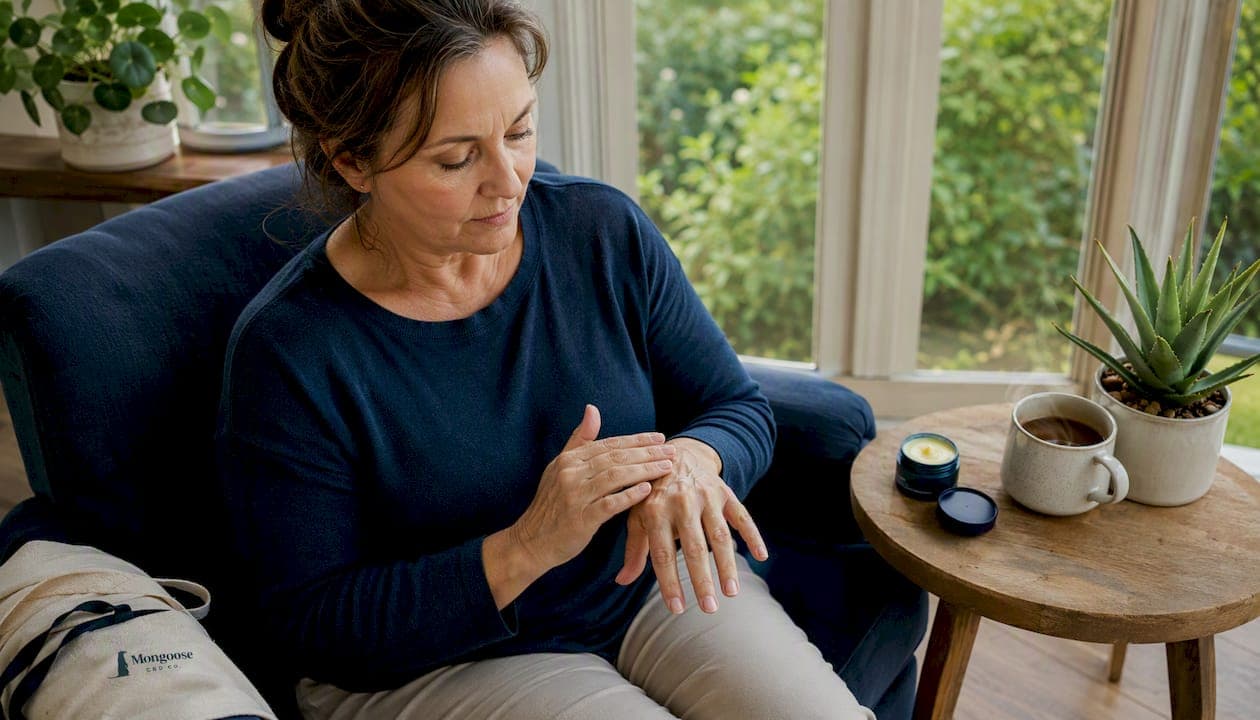
Topical CBD balms can reduce localized arthritis pain for many people, though the evidence is still building. The most practical first step: choose a third-party-tested balm that combines CBD with complementary analgesics like menthol, arnica, or capsaicin, and run a two-week trial on the affected joint. The Arthritis Foundation acknowledges potential benefit while emphasizing careful product selection and clinician consultation. Mongoosecbd's Seriously Soothing Pain Balm, formulated at a CBD concentration typical of premium products with plant-based analgesic botanicals, is a well-specified starting point.
Key facts to know before you buy:
- Topical CBD acts locally near the application site, not systemically, making it well-suited for superficial joints like knuckles, thumbs, and knees.
- Third-party certificates of analysis (COAs) are the single most important trust signal on any CBD product label.
- Added actives (menthol, arnica, camphor, capsaicin) often drive a meaningful share of the perceived relief, so ingredient transparency matters as much as CBD concentration.
- Mongoosecbd products are THC-free, vegan, non-GMO, and paraben-free, with a 30-day refund policy.
Table of Contents
- What does the research say about CBD balm for arthritis?
- How do topical CBD balms work, and which added ingredients help?
- What should you look for when buying a CBD arthritis cream?
- How to apply a CBD balm for arthritis: dosing and timing
- Side effects, interactions, and who should avoid CBD balms
- Which Mongoosecbd balms work best for arthritis?
- When should you talk to your doctor about using CBD balm?
- Key Takeaways
- The part most CBD guides get wrong
- Ready to try a topical that's built for arthritis pain?
- Useful sources and further reading
What does the research say about CBD balm for arthritis?
The honest answer: promising but not proven. Harvard Health summarizes the state of the science clearly: animal studies show anti-inflammatory effects, but high-quality human trials are limited and results are mixed. That gap between animal data and human evidence is real, and anyone selling you certainty is overselling.
The most relevant human data comes from a small 2022 study on thumb basal joint arthritis, which reported reduced pain with topical CBD application. It's a meaningful signal, but a small sample with short follow-up. A broader review published in the National Institutes of Health's PMC database found that topical cannabinoids showed anti-inflammatory and analgesic properties in preclinical models, with early human data suggesting tolerability and symptom reduction, though researchers consistently call for larger randomized controlled trials.
What the evidence actually supports: Topical CBD appears safe for most adults and may reduce localized joint pain and inflammation, particularly in earlier-stage arthritis affecting superficial joints. It does not reverse joint damage or replace disease-modifying therapy.
A few key limitations to hold in mind:
- Most human studies have small sample sizes (under 100 participants) and short follow-up periods of weeks, not months.
- Industry regulation gaps mean product quality varies widely; a study's positive result using a pharmaceutical-grade compound may not translate to an over-the-counter balm.
- The Arthritis Foundation notes that added ingredients like menthol are often responsible for perceived relief, making it hard to isolate CBD's contribution.
- No large-scale, long-term human trial has established a standard effective dose for topical CBD in arthritis.
The practical takeaway: the evidence is strong enough to justify a careful, time-limited trial, especially for people with localized joint pain who haven't found adequate relief from conventional topicals alone.
How do topical CBD balms work, and which added ingredients help?
Topical CBD stays close to where you apply it. Unlike oral CBD, which enters the bloodstream and is processed by the liver, a balm applied to your knee acts primarily on receptors in the skin, underlying tissue, and nearby nerve endings. Forbes Health notes that licensed physical therapists often recommend topical CBD specifically for this reason: it targets superficial joints like knuckles and thumbs without systemic exposure. People in earlier disease stages, before significant structural joint damage, tend to report the best responses.
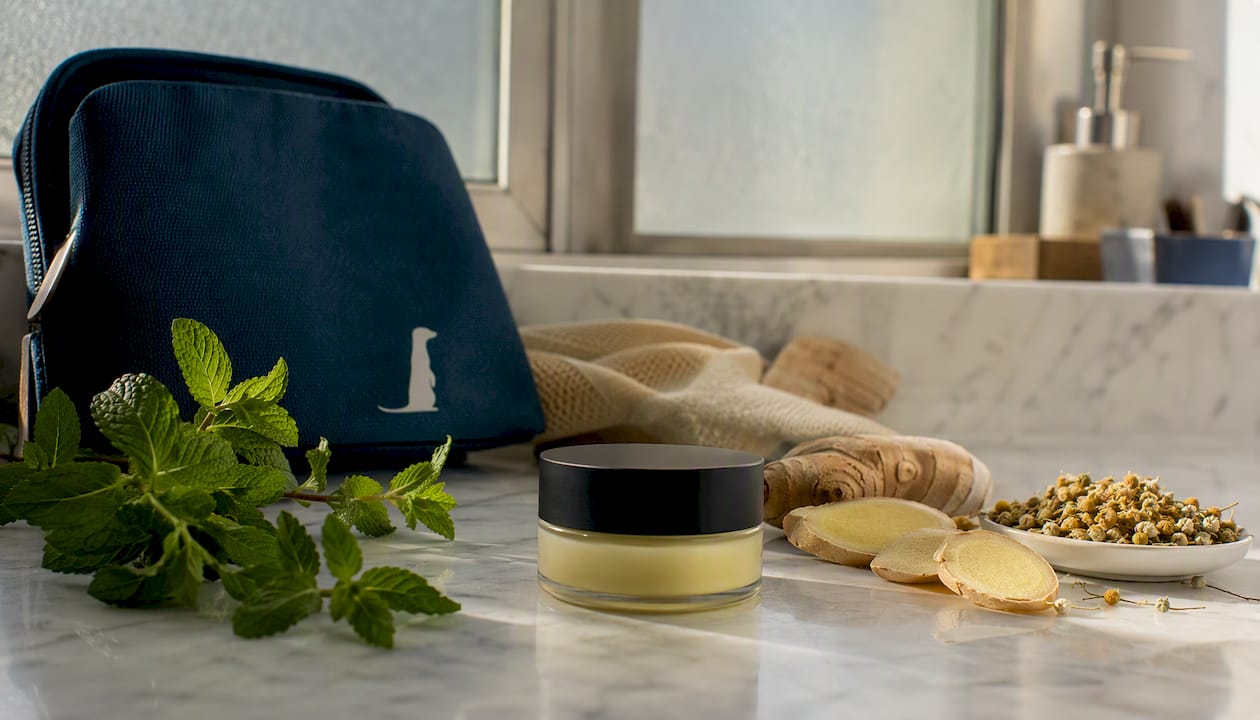
CBD is thought to interact with cannabinoid receptors (CB1 and CB2) and transient receptor potential (TRP) channels in peripheral tissue, modulating local inflammation and pain signaling. The key word is "local." Don't expect a balm applied to your hand to help with hip pain.
What the added actives actually do
The botanicals blended into a quality arthritis balm aren't filler. Each works through a distinct mechanism:
- Arnica — contains helenalin, a compound with documented anti-inflammatory properties. Forbes Health reviewers consistently flag arnica as a botanically meaningful addition.
Balm vs cream vs gel: does the formulation matter?
Yes, practically. Balms are wax or oil-based, which means they sit on the skin longer and are better for dry or sensitive skin. Creams are water-in-oil emulsions that absorb faster and feel lighter. Gels absorb quickly and often feel cooling, which suits acute flares. For arthritis on hands or knees where you need sustained contact, a balm's occlusive texture is usually the better choice.
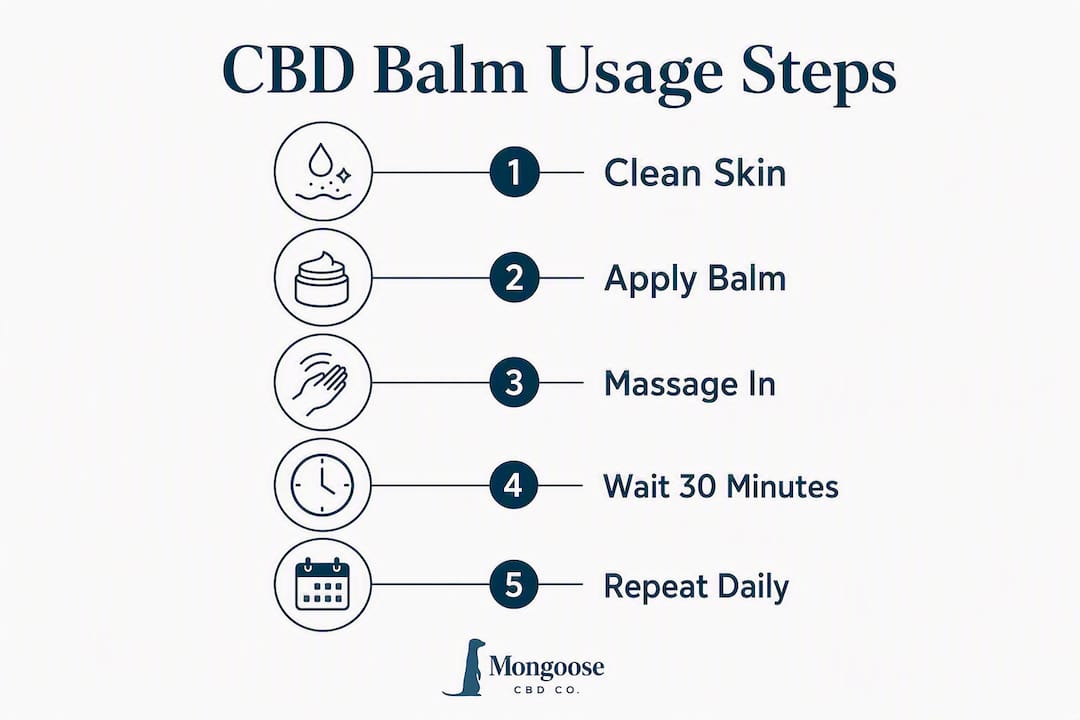
Pro Tip: Apply a balm to clean, slightly damp skin. The residual moisture helps the oil-based formula absorb more evenly into the outer skin layers, giving the active ingredients better contact with the tissue underneath.
What should you look for when buying a CBD arthritis cream?
The CBD topical market is largely unregulated at the federal level, which means label claims are not independently verified unless the brand publishes third-party lab results. Here's what to check before you buy:
- Certificate of Analysis (COA): A COA from an independent, ISO-accredited lab confirms actual CBD content, THC level (should be below 0.3% for legal hemp products), and absence of heavy metals, pesticides, and solvents. Check that the COA batch number matches the product batch number on the label.
- CBD concentration per container: Medical News Today reports that U.S. market topicals commonly range from 500 mg to 3,000 mg per container. Premium formulations often list 1,000 mg per ounce. Mongoosecbd's balms are formulated at 1,000 mg per ounce, so a 2 oz balm contains 2,000 mg CBD, which is a meaningful concentration for joint use.
- Full-spectrum vs broad-spectrum vs isolate: Full-spectrum contains all hemp plant compounds including trace THC (under 0.3%). Broad-spectrum removes THC but retains other cannabinoids and terpenes. Isolate is pure CBD only. For arthritis, broad-spectrum is often the practical middle ground: it preserves the entourage effect of multiple cannabinoids without THC exposure.
- Complementary actives: Look for menthol, arnica, camphor, or capsaicin on the ingredient list. Their presence signals a formulation designed for pain relief rather than general wellness.
- Allergen and irritant flags: Essential oils (eucalyptus, peppermint, cinnamon) can irritate sensitive skin. Parabens are a common preservative concern. If you have known sensitivities, read the full ingredient list, not just the front label.
- Price and refund policy: A 30-day money-back guarantee is a meaningful trust signal. It means the brand is confident enough in the product to absorb the return cost.
"There is no universal best CBD balm. The Arthritis Foundation emphasizes third-party lab testing and careful ingredient review as the most reliable way to evaluate any topical CBD product." Arthritis Foundation
Pro Tip: When reviewing a COA, check the test date. A COA older than 12 months may not reflect the current batch's actual potency. Reputable brands update COAs with each new production run and list the batch number on both the COA and the product packaging.
How to apply a CBD balm for arthritis: dosing and timing
Application technique matters more than most people realize. A balm left sitting on the surface of the skin without proper massage delivers a fraction of the active contact it could. Follow these steps:
- Apply 2–4 times daily — For chronic arthritis pain, morning and evening applications are a reasonable baseline. Add a midday application during flares.
Effects from menthol and camphor are typically felt within minutes. CBD's anti-inflammatory contribution, if present, tends to build over repeated applications across several days.
Pro Tip: Keep a simple pain diary during your trial: rate pain on a 1–10 scale before and 30 minutes after each application. After two weeks, the pattern tells you whether the product is doing something or just feeling pleasant. Add notes on sleep quality and morning stiffness, since those often shift before pain scores do.
Side effects, interactions, and who should avoid CBD balms
Topical CBD is generally well-tolerated, but "generally" isn't "universally." Skin reactions are the most common issue: redness, itching, or mild swelling at the application site, usually from essential oils or botanical additives rather than CBD itself. A patch test (described above) catches most of these before they become a problem.
Systemic side effects from a topical are uncommon because CBD applied to the skin doesn't reliably reach the bloodstream in significant concentrations. That said, the Arthritis Foundation notes that CBD can theoretically interact with drugs metabolized by CYP450 liver enzymes, including warfarin, corticosteroids, and gabapentin, even via topical routes in some individuals. The risk is lower than with oral CBD, but not zero.
Who should be cautious or avoid topical CBD:
- People on blood thinners (warfarin/Coumadin): CBD may affect how the liver processes these drugs. Discuss with your prescribing physician before use.
- Those taking corticosteroids or immunosuppressants: Potential interaction with CYP450 metabolism warrants a pharmacist check.
- Pregnant or breastfeeding individuals: The FDA advises against CBD use during pregnancy and breastfeeding due to insufficient safety data.
- People with known hemp or cannabis allergies: Topical exposure can trigger contact dermatitis or, rarely, systemic allergic response.
- Children under 12: Most topical analgesic products, including menthol-containing balms, are labeled for adults and children 12 and older.
Who should not use CBD balm? Anyone on multiple prescription medications, particularly anticoagulants or anticonvulsants, should consult a rheumatologist or pharmacist before starting any CBD product, topical or otherwise. This is not a reason to avoid CBD categorically; it's a reason to have a five-minute conversation with a clinician first.
Which Mongoosecbd balms work best for arthritis?
Mongoosecbd formulates its balms at 1,000 mg CBD per ounce, a concentration that sits at the premium end of the U.S. market range. All products are THC-free, vegan, non-GMO, paraben-free, and cruelty-free. Third-party lab reports (COAs) are available through the brand, and a 30-day full refund policy applies to all purchases.
Seriously Soothing Pain Balm — Original
The Original formulation combines 1,000 mg CBD per ounce with arnica, menthol, turmeric, and eucalyptus. Arnica and menthol provide both anti-inflammatory and counterirritant action; turmeric adds curcumin-based anti-inflammatory support. This is the most versatile starting point for arthritis in hands, knees, or wrists. Apply twice daily, morning and evening, and assess after two weeks.
Seriously Soothing Pain Balm — Cinnamon & Clove
The Cinnamon & Clove variant adds clove (eugenol) and cinnamon to the base formula. Eugenol has documented analgesic and anti-inflammatory properties and is used in clinical dentistry for pain management. This variant suits people who want a warming sensation rather than a cooling one, and who tolerate spice-based botanicals without skin sensitivity.
Seriously Soothing Pain Balm — Eucalyptus Mint
For those with sensitive skin or a preference for a lighter scent, the Eucalyptus Mint version offers a cooling, clean profile. Eucalyptus contains 1,8-cineole, a compound with anti-inflammatory properties in preclinical studies. The mint component reinforces the menthol-type cooling effect. A good choice for daytime use when you need relief without a strong scent at work or in public.
Rikki Tikki Recovery
The Rikki Tikki Recovery balm is formulated for muscle recovery and joint soreness, with a botanical blend that includes ginger and cayenne pepper alongside CBD. Ginger contains gingerols with anti-inflammatory action; cayenne delivers capsaicin, which depletes substance P over repeated use. This is the better choice for arthritis accompanied by significant muscle tension or post-activity soreness, particularly for people who stay physically active.
All four products are available with COA documentation and covered by the 30-day refund policy. If you're unsure which variant fits your skin type or scent preference, the brand also offers a sample option to reduce the commitment of a first purchase.
When should you talk to your doctor about using CBD balm?
Two situations call for a clinician conversation before you start: you're on prescription medications (especially anticoagulants, anticonvulsants, or immunosuppressants), or your arthritis is progressing and you're considering CBD as a response to worsening symptoms. In both cases, a brief conversation with your rheumatologist or pharmacist is the right first move, not a substitute for it.
The Arthritis Foundation is clear that CBD should be viewed as an adjunct to conventional arthritis care, not a replacement for disease-modifying treatments. If you're managing rheumatoid arthritis with a DMARD or biologic, a topical CBD balm may complement your regimen, but it doesn't address the underlying immune process.
When you go to that appointment, bring:
- A list of your current medications (including supplements and OTC drugs)
- The product's COA showing CBD content, THC level, and contaminant testing
- Your two-week pain diary results (before/after scores, timing, side effects)
- The specific joints you're targeting and your current pain management plan
Use this simple tracking table during your trial to make the clinician conversation productive:
| Date | Joint treated | Pain before (1–10) | Pain 30 min after (1–10) | Duration of relief | Side effects noted |
|---|---|---|---|---|---|
| Day 1 | Right knee | — | — | — | — |
| Day 7 | Right knee | — | — | — | — |
| — | Right knee | — | — | — | — |
Fill in your actual scores. A pattern of consistent 2–3 point reductions sustained for 2–4 hours is a meaningful result worth discussing. No change after two weeks of consistent use is also useful information: it tells you and your clinician that this approach isn't working for your specific joint and disease stage.
Key Takeaways
Topical CBD balms with complementary analgesics like menthol and arnica represent a practical, low-risk addition to arthritis pain management when chosen carefully and used consistently.
| Point | Details |
|---|---|
| Evidence is promising, not definitive | Small human trials and animal data support topical CBD for joint pain; large RCTs are still needed. |
| COA is non-negotiable | Always verify third-party lab results confirming CBD content, THC level, and contaminant absence before buying. |
| Concentration range matters | U.S. topicals range from 500 mg to 3,000 mg per container; 1,000 mg per ounce is a premium benchmark, and Mongoosecbd's balms are formulated at this level. |
| Apply with technique, track results | Massage in for 60–90 seconds, use 2–4 times daily, and run a two-week trial with a pain diary. |
| Mongoosecbd for arthritis relief | Mongoosecbd's Seriously Soothing Pain Balm (1,000 mg/oz, arnica, menthol, turmeric) is a well-specified, COA-backed starting point with a 30-day refund guarantee. |
The part most CBD guides get wrong
Most CBD content for arthritis focuses on whether CBD "works" as if that's a binary question. It isn't. The more useful question is: for which joints, at which disease stage, with which formulation, does topical CBD provide meaningful relief?
The evidence points toward a narrower answer than the marketing suggests. Topical CBD is most likely to help people with localized inflammation in superficial joints—knuckles, thumbs, knees—where the active compounds can actually reach the affected tissue. It's less likely to help someone with deep hip joint degeneration or advanced structural damage, because the balm simply can't penetrate to where the problem is.
The second thing most guides miss: the added botanicals in a quality balm aren't a marketing afterthought. Menthol's counterirritant effect is well-documented. Capsaicin's substance P depletion mechanism is pharmacologically established. When a balm combines CBD with these actives, you're not just getting CBD plus pleasant scent. You're getting a multi-mechanism topical where several ingredients are working through different pathways simultaneously. That's a meaningful formulation advantage, and it's why ingredient transparency matters as much as CBD concentration.
My honest recommendation: don't treat a CBD balm as a replacement for your rheumatologist's plan. Treat it as a targeted, low-risk tool for the days when a specific joint is flaring and you want something to apply between your other treatments. Used that way, with realistic expectations and a good formulation, it often earns its place.
Ready to try a topical that's built for arthritis pain?
Mongoosecbd's balms are formulated specifically for people dealing with chronic joint pain, not general wellness shoppers. At 1,000 mg CBD per ounce with arnica, menthol, turmeric, and other plant-based analgesics, the Seriously Soothing Pain Balm delivers a multi-mechanism topical at a concentration that matches what premium formulations actually use. Every product is THC-free, paraben-free, and backed by third-party lab testing.
Not sure which variant fits your joints or skin sensitivity? Start with a free sample of the Miracle Pain Balm to test the formula before committing to a full tin. If you're ready to go straight to a full-size product, the Seriously Soothing Pain Balm Original is the most practical starting point for arthritis in hands, knees, or wrists. Every purchase comes with a 30-day full refund policy, so the only real risk is two weeks of your time.
Useful sources and further reading
The claims in this article are grounded in the following authoritative sources. Each is worth reading directly if you want the primary guidance or study data.
- Arthritis Foundation: CBD for Arthritis Pain — The most comprehensive consumer-facing guidance from a major arthritis organization, covering evidence, safety, shopping criteria, and clinician consultation advice.
- Harvard Health: Does CBD Help with Arthritis Pain? — A clinician-reviewed summary of the evidence base, useful for understanding the gap between animal and human data.
- Medical News Today: CBD Cream for Arthritis — Covers specific human study findings, including the thumb basal joint arthritis trial, and explains concentration norms in the U.S. market.
- Forbes Health: CBD for Arthritis — Includes physical therapist perspectives on topical CBD for superficial joints and editorial product testing methodology.
- Forbes Health: Best CBD Creams and Topicals — Editorial roundup that highlights COA verification and the role of terpenes and arnica in topical formulations.
- American Society for Surgery of the Hand: Topical CBD for Hand Osteoarthritis — Clinical perspective on topical CBD specifically for hand and thumb joint arthritis symptoms.
This article is general information, not medical advice. Confirm current guidance with your rheumatologist, pharmacist, or a qualified healthcare professional before starting any new supplement or topical product.