
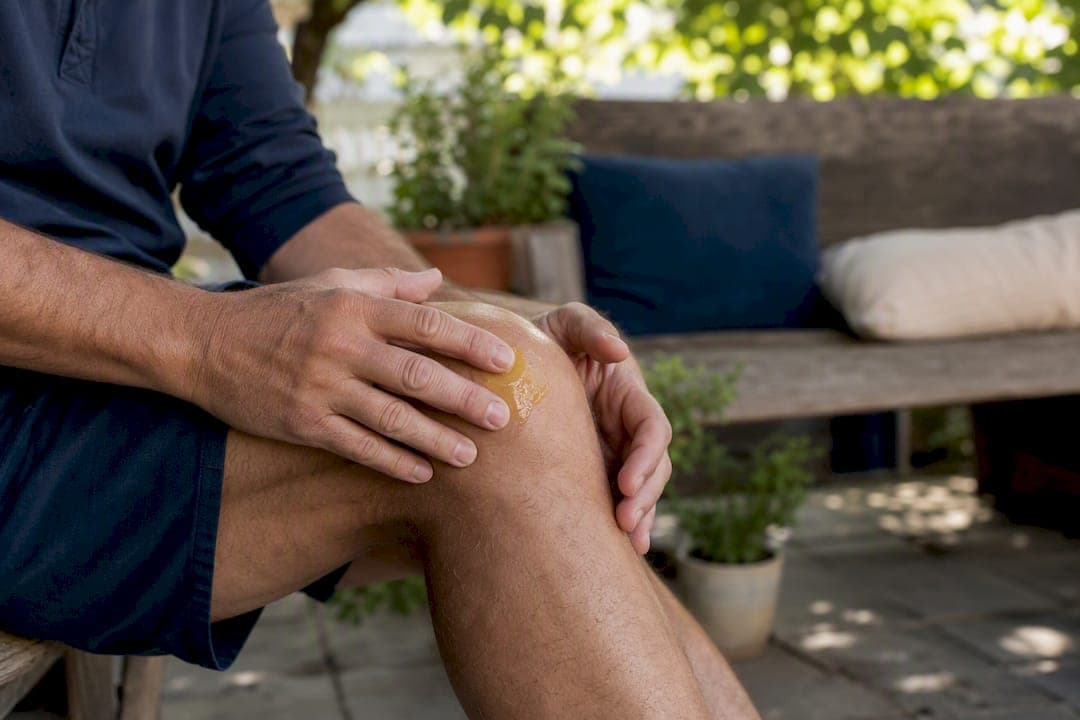
Bottom line: topical curcumin, the active compound in turmeric, is a promising adjunct that can reduce knee osteoarthritis pain for some people, but only when it's formulated to actually get through skin. In a randomized, placebo-controlled trial of older adults with knee osteoarthritis, a 5% curcumin ointment applied twice daily cut pain scores more than plain vaseline did after six weeks. A separate trial of a topical gel formulation called VAS-101, applied every other day for 28 days, improved pain scores on the KOOS scale versus placebo.
That's real evidence, not marketing copy. But it comes with caveats you need up front:
- Results vary by formulation. Raw turmeric paste and cheap creams with unstabilized curcumin often underperform the trial products.
- Temporary yellow skin or clothing staining is common and usually resolves within a few days of stopping.
- Patch-test on a small area of skin 24 hours before applying to a joint, especially if you have sensitive skin or a known allergy to the ginger family.
- Topical curcumin treats symptoms. It doesn't reverse cartilage damage or replace a broader osteoarthritis care plan.
Think of it less as a miracle cure and more as a legitimate tool worth testing for four to six weeks, alongside whatever else you're already doing for joint health.
Key Takeaways
Topical curcumin, when properly formulated for skin absorption, reduces osteoarthritis knee pain modestly to moderately over four to six weeks in randomized trials.
| Point | Details |
|---|---|
| Verdict on effectiveness | Topical curcumin is a promising adjunct for symptom relief, not a disease-modifying cure for arthritis. |
| Best trial evidence | A 5% ointment applied twice daily reduced knee pain versus placebo over six weeks. |
| Formulation is everything | Liposomes, nanoemulsions, and organogels solve curcumin's poor skin penetration; raw paste often underperforms. |
| Safety watch points | Expect temporary yellow staining; consult a clinician if you take blood thinners or have liver-metabolized medications. |
| Trial period to expect | Give any topical two weeks minimum, with meaningful results often reported by four to eight weeks. |
| Publisher's option | Mongoosecbd's balms pair CBD with turmeric and arnica in a topical base, backed by a 30-day refund policy. |
Table of Contents
- Turmeric For Joint Pain Topical Use: What The Trials Actually Show
- Why Formulation Determines Whether Topical Curcumin Works
- How Should You Apply Topical Turmeric for Best Results?
- Is Topical Turmeric Safe? What to Watch For
- What to Look for in a Topical Turmeric Product
- Where Mongoosecbd's Topical Balms Fit Into the Picture
- What I'd Actually Tell a Friend With Achy Knees
- Try a Topical Built With Joint Pain in Mind
- Frequently Asked Questions
- Sources
Turmeric For Joint Pain Topical Use: What The Trials Actually Show
The clinical case for topical curcumin isn't huge, but it's more substantial than most people assume, and it's grown noticeably in the last few years.
The strongest data point comes from a double-blind, placebo-controlled trial in older adults with knee osteoarthritis. Researchers applied a 5% curcumin ointment twice a day for six weeks and tracked pain using the visual analog scale (VAS), a standard 0 to 10 self-report tool. The curcumin group showed measurable improvement over the vaseline control group at both the four week and six week marks. It's a modest trial by pharmaceutical standards, but it's exactly the kind of controlled design that separates a real signal from wishful thinking.
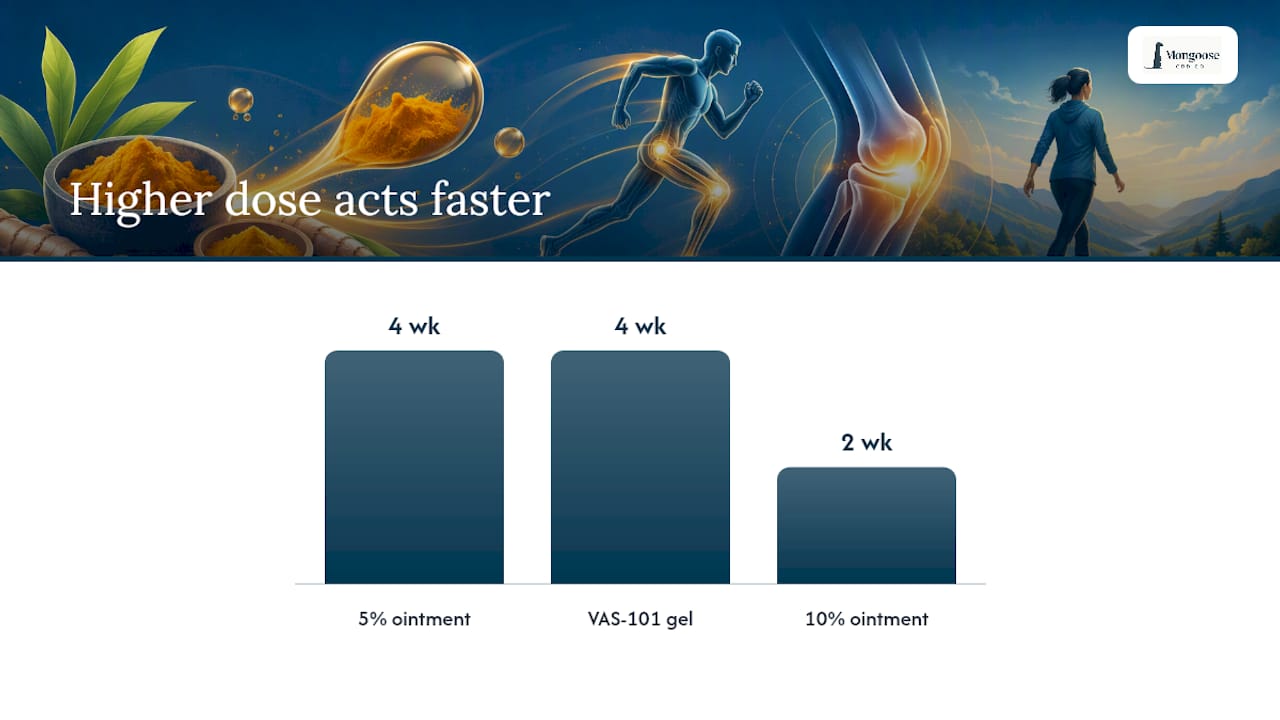
A second, more recent study looked at VAS-101, a purpose-built topical curcumin gel, in a randomized, double-blind, placebo-controlled design. Participants applied it every other day for 28 days. The gel group saw greater improvement in KOOS pain scores, a knee-specific outcome measure that tracks pain, stiffness, and function, along with better daily pain ratings than the placebo group. Roughly a third of participants hit a clinically meaningful improvement, which tells you something important: this isn't a treatment that works uniformly for everyone. Individual response varies a lot, the same way it does with oral NSAIDs or even prescription topicals like diclofenac gel.
A third trial pushed concentration and frequency higher. A 10% curcumin ointment applied three times daily produced significant changes in both VAS and WOMAC scores (a broader osteoarthritis index covering pain, stiffness, and physical function) after just two weeks. That's a faster timeline than the other trials, though it's worth noting higher concentrations and more frequent dosing also raise the odds of skin irritation.
There's no single "correct" protocol yet. What the studies share is a consistent direction: properly formulated topical curcumin beats placebo, even if the effect size is moderate rather than dramatic.
How does this stack up against oral curcumin research? Oral curcumin has a larger body of evidence behind it for inflammatory conditions generally, but it's hamstrung by notoriously poor gut absorption. Topical delivery sidesteps that problem in theory by applying the compound directly where pain lives, though it introduces a different obstacle: getting curcumin through the skin barrier in the first place. Clinical reviewers who've synthesized this body of work conclude that topical curcumin shows real promise as an adjunctive therapy for inflammatory joint conditions, while cautioning that larger, standardized trials are still needed before it earns a defined place in routine care.
The honest limitations worth naming:
- Most trials have small sample sizes, often under 100 participants.
- Follow-up periods rarely extend past six to eight weeks, so long-term durability is unknown.
- Formulations differ enough between studies that you can't assume one product's results apply to another.
- None of these trials measured structural changes in the joint, only symptom scores.
None of that erases the signal. It just means you should treat topical turmeric as a reasonably well-supported option for symptom relief, not a proven disease-modifying treatment.
Why Formulation Determines Whether Topical Curcumin Works
Here's the part most articles about turmeric skip entirely, and it's the single biggest factor in whether a topical actually does anything: curcumin, on its own, is a difficult molecule to work with.
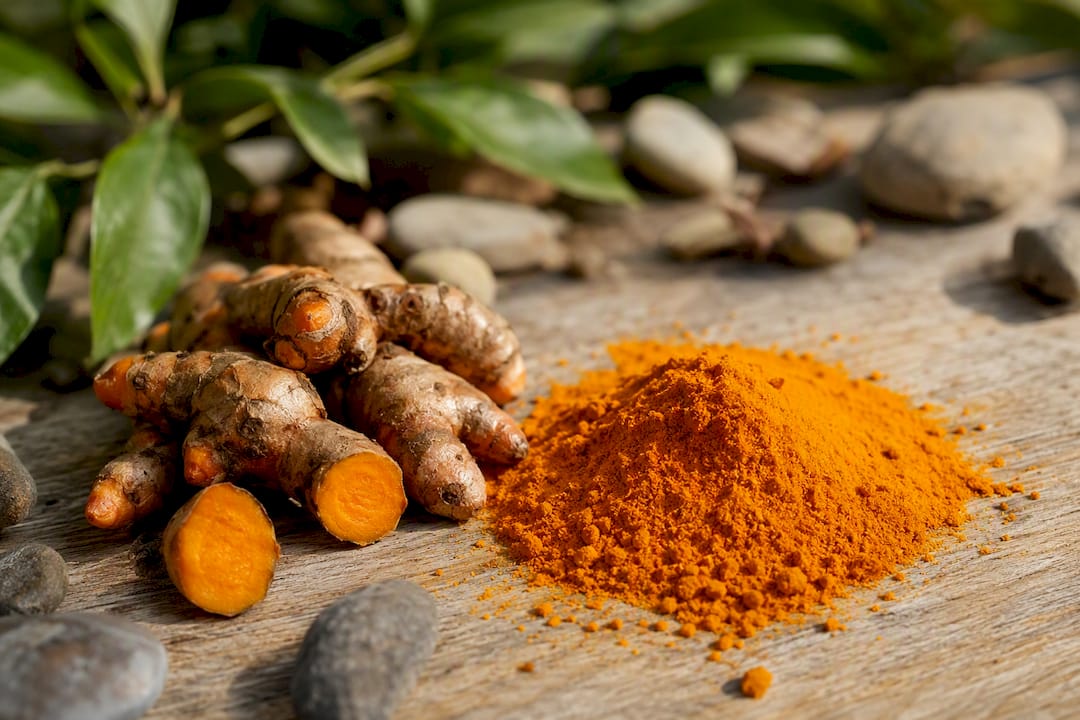
It's lipophilic, meaning it dissolves in fat rather than water, and it's chemically unstable when exposed to light, heat, and air. Raw turmeric powder mixed into a paste has real trouble crossing the stratum corneum, the tough outer layer of skin that exists specifically to keep foreign substances out. That's the core reason plain turmeric pastes people mix at home tend to disappoint. The molecule is right, but the delivery is wrong.
This is where formulation science actually earns its keep. A review of curcumin's topical delivery lays out why advanced carrier systems are close to a requirement, not an optional upgrade, for meaningful skin penetration:
- Liposomes encapsulate curcumin in a lipid bubble that mimics cell membrane structure, helping it slip through skin layers more efficiently than free curcumin.
- Nanoemulsions break curcumin into extremely small oil droplets suspended in a stable base, increasing surface area and improving both stability and absorption.
- Organogels use a gelled oil phase to hold curcumin in a form that resists degradation while allowing steady, sustained release into the skin over time.
- Phytosomes bind curcumin to phospholipids, a technique borrowed from other poorly absorbed plant compounds, to boost membrane compatibility and uptake.
A 2024 formulation study using a self-nano-emulsifying polyethylene glycol organogel demonstrated sustained release and high flux through skin layers, with clinical improvement in knee osteoarthritis symptoms. That's a meaningful development. It suggests the field isn't standing still. Newer delivery systems are actively closing the gap between "curcumin should theoretically help" and "curcumin actually gets where it needs to go." A separate review of emerging nanosystems, particularly lipid-based nanoparticles and nanoemulgels, echoes this, calling out improved bioavailability as the main driver of better clinical outcomes.
Pro Tip: When comparing topical products, look past the word "turmeric" on the front label and check the ingredient list for terms like liposomal, nanoemulsion, or phytosome. Those words signal the manufacturer invested in solving curcumin's absorption problem instead of just tossing turmeric extract into a base cream.
None of this means every fancy-sounding delivery system is equally effective, or that a product without a named technology automatically fails. But the underlying chemistry is not up for debate: unmodified curcumin struggles to cross skin, and the trials showing real pain relief used formulations specifically engineered to solve that problem.
How Should You Apply Topical Turmeric for Best Results?
The application protocols from clinical trials give you a reasonable template, though none of them should be read as strict medical instructions. Product labeling always takes precedence over anything in a research paper.
Here's how the trial regimens break down, followed by a practical application routine:
- Patch-test first. Apply a small amount to the inner forearm and wait 24 hours before using it on a joint. This catches contact dermatitis or allergic reactions before you commit a painful knee or hand to the experiment.
- Clean and dry the skin over the affected joint before each application. Lotions, sweat, or leftover product residue can interfere with absorption.
- Apply a thin layer, not a thick coat. More product doesn't mean faster or stronger relief. It just means more mess and a higher chance of staining.
- Massage gently into the tissue surrounding the joint, not just directly on top of it. Perijoint massage may aid local circulation and helps spread the product evenly.
- Match frequency to what you're trying. The six week trial used twice-daily application of a 5% ointment; the faster-acting trial used a 10% ointment three times daily; the gel formulation was applied every other day. Start conservatively unless a specific product's instructions say otherwise.
- Avoid open wounds, cracked skin, or areas with active rashes. Curcumin's staining and mild irritation potential are more of a concern on compromised skin.
- Account for staining. Wear old clothes or cover the area with gauze after application, since turmeric-based products can leave a temporary yellow tint on fabric and, occasionally, skin.
How long should you wait before deciding it isn't working? Give it a minimum of two weeks. The faster trial protocols showed measurable change by that point, but the more typical timeline in the research runs four to eight weeks before people report a clinically noticeable difference. Set a calendar reminder to reassess at the two week and six week marks rather than judging after two or three applications. Joint pain fluctuates day to day for reasons that have nothing to do with your topical, so short-term impressions are unreliable.
Is Topical Turmeric Safe? What to Watch For
The safety profile of topical curcumin is generally reassuring, but it isn't zero-risk, and a few specific groups need to pay closer attention.
The most common complaint by far is cosmetic: temporary yellow staining of skin and clothing. It's harmless, and it typically fades within a few days of stopping use, but it catches people off guard if they don't anticipate it. Mild contact dermatitis, meaning redness, itching, or a rash at the application site, shows up in a smaller subset of users and usually resolves once the product is discontinued.
The less obvious risk involves systemic absorption. While topical use is designed to keep curcumin localized, some transdermal formulations do produce measurable blood levels in preclinical and clinical work. That matters for a specific group of people:
- Anyone on blood thinners (warfarin, apixaban, and similar anticoagulants) should talk to a clinician first, since curcumin has some documented antiplatelet activity.
- People on medications metabolized heavily by the liver should exercise similar caution, given curcumin's known interactions with certain liver enzyme pathways.
- People with a known allergy to turmeric, ginger, or other members of the Zingiberaceae plant family should avoid it entirely.
- Pregnant or breastfeeding individuals should check with a doctor before starting any new topical, curcumin included, given the lack of dedicated safety data in this population.
Quick stat check: No large-scale trial has reported serious adverse events from topical curcumin at the concentrations tested (5% to 10%), which is reassuring, but the sample sizes in these trials remain small enough that rare interactions or long-term risks simply haven't been studied at scale yet.
The National Center for Complementary and Integrative Health notes that turmeric and curcumin show early promise for pain relief, while flagging bioavailability and product inconsistency as ongoing limitations, and it specifically recommends talking to a healthcare provider before starting any curcumin product if you're managing other health conditions or medications. That's sound advice regardless of which product you're considering.
What to Look for in a Topical Turmeric Product
Not all turmeric-labeled creams are built the same, and the label often tells you more than the marketing copy does if you know what to check.
A few things separate a well-formulated product from a mediocre one:
- Stated curcumin concentration. Trials that showed results used concentrations in the 5% to 10% range. A product that doesn't disclose concentration at all is harder to evaluate against the evidence.
- Delivery system claims. Look for language like liposomal, nanoemulsion, phytosome, or organogel, which signals the manufacturer addressed curcumin's absorption problem directly rather than relying on raw extract.
- Third-party testing and ingredient transparency. A supplier willing to show batch testing or a full ingredient breakdown is generally more trustworthy than one that isn't.
- Preservative and stability system. Curcumin degrades with light and heat exposure, so packaging and formulation stability matter more than they might for a simpler cream.
This is also why plain turmeric paste, the kind made by mixing powdered spice-rack turmeric with water or oil, tends to disappoint people who try it at home. The particle size in cooking-grade turmeric is far larger than what's used in pharmaceutical-grade formulations, and it hasn't been processed to improve solubility or stability. Beyond underperforming, DIY pastes carry real practical risks: inconsistent dosing, contamination from non-sterile mixing, and a much higher chance of visible staining since the concentration and particle behavior aren't controlled.
Pro Tip: Before committing to a full-size product, look for a supplier offering a sample size or trial-friendly return policy. A two week patch-and-trial period costs you almost nothing if the product doesn't work out, and it protects you from spending on a full container of something your skin doesn't tolerate.
Where Mongoosecbd's Topical Balms Fit Into the Picture
If you're already exploring topical anti-inflammatory options, it's worth knowing what a well-built product actually contains. Mongoosecbd formulates its balms, including the Seriously Soothing Pain Balm, with 1,000mg of CBD per ounce alongside complementary botanicals like turmeric, arnica, menthol, and eucalyptus, ingredients chosen specifically for topical anti-inflammatory support rather than added as an afterthought.
A few practical details worth knowing before you decide whether to try one:
- The formulations are vegan, non-GMO, paraben-free, and THC-free.
- Mongoosecbd backs every purchase with a 30-day full refund policy, which gives you room to test a product against your own joint without financial risk if it doesn't work for you.
- Follow the same safety steps covered above: patch-test first, and check with your clinician if you're on blood thinners or other interacting medications before adding any new topical to your routine.
What I'd Actually Tell a Friend With Achy Knees
If you've got mild to moderate osteoarthritis pain and you're tired of relying solely on oral NSAIDs, a well-formulated topical curcumin product is worth a real trial. The people most likely to notice a difference are those with localized joint pain, knees especially, rather than widespread inflammatory conditions that need systemic treatment.
I'd be more cautious for anyone on anticoagulants, anyone with broken or highly sensitive skin, and anyone expecting this to replace physical therapy or weight management. Topical curcumin works best as one piece of a broader plan, alongside movement, strength work, and whatever medical care your joint actually needs. It's not a substitute for a diagnosis, and it's not going to rebuild cartilage. But as a low-risk addition you apply directly where it hurts, the evidence gives you enough reason to try it for a few weeks and judge for yourself.
Try a Topical Built With Joint Pain in Mind
If the research above has you convinced that formulation matters more than the word "turmeric" on a label, that's exactly the gap Mongoosecbd set out to close. Rather than relying on raw turmeric powder, our balms combine CBD with turmeric, arnica, and menthol in a base built for skin delivery, so you're not stuck guessing whether a jar of paste from your spice cabinet will actually do anything.

The Seriously Soothing Pain Balm is a solid starting point if you want the original formulation, while the Cinnamon & Clove version adds warming botanicals that some people prefer for stiff joints in colder weather. If you'd rather test the waters before committing to a full tin, the Miracle Pain Balm sample lets you try the formulation at low cost, and every purchase carries a 30-day full refund if it doesn't work out for your skin or your joint. Patch-test it, apply it the way the label describes, and give it the same two to four week window the clinical trials suggest before you decide.
Frequently Asked Questions
Does turmeric cream actually work for arthritis pain? Randomized trials suggest it can, but results depend heavily on formulation. A 5% curcumin ointment reduced knee pain over six weeks in one placebo-controlled study, while plain turmeric paste generally underperforms due to poor skin absorption.
How long does topical turmeric take to relieve joint pain? Trial data shows a range: some protocols showed change within two weeks, while others took closer to six weeks. Plan on trying any product consistently for at least two to four weeks before judging whether it's helping.
Will turmeric ointment stain my skin or clothes? Yes, temporary yellow staining is one of the most common side effects and typically fades within a few days after you stop use. Wearing older clothing or covering the area after application can limit the mess.
Can I use topical turmeric with blood thinners or other medications? Talk to your doctor first. Some transdermal curcumin formulations show measurable systemic absorption, and curcumin has documented interactions with anticoagulants and certain liver-metabolized drugs.
Is homemade turmeric paste as effective as commercial products? Generally, no. Cooking-grade turmeric has a larger particle size and lower solubility than the pharmaceutical-grade curcumin used in clinical trials, which limits how well it penetrates skin and raises the risk of inconsistent dosing and staining.
Sources
- The effect of a topical curcumin formulation (VAS-101) on knee pain in adults with knee osteoarthritis: a randomised, double-blind, placebo-controlled study
- Pubmed
- Turmeric: In Depth — National Center for Complementary and Integrative Health (NCCIH)