
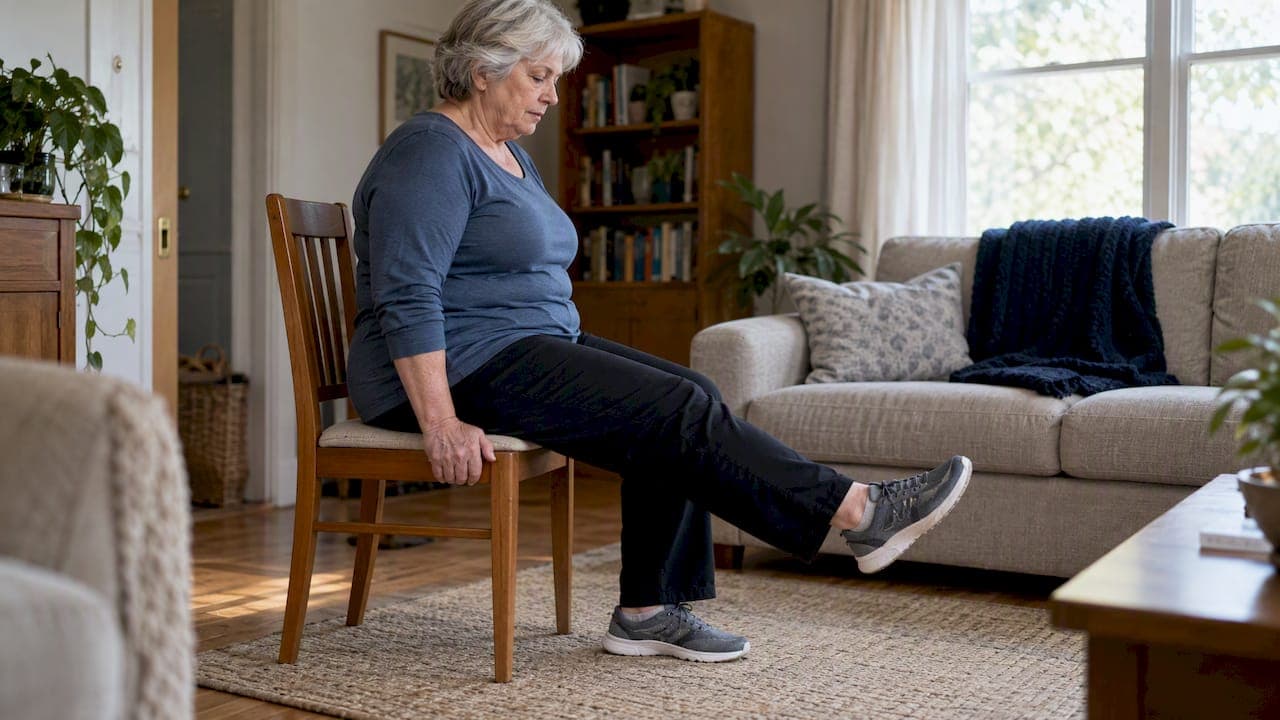
The most reliable natural ways to reduce arthritis pain are consistent low-impact exercise and gradual weight loss, which reduce the load on your joints more than any pill or cream. Targeted topicals and a small set of supplements can help as adjuncts, tried one at a time. Evidence for most supplements is mixed, so talk to a clinician before adding anything if you take other medications. A topical option, including a CBD balm from a brand like Mongoose CBD Co., can be worth a measured trial for focal joint pain.
TL;DR:
- Consistent low-impact exercise and gradual weight loss provide the most reliable natural relief for arthritis pain by reducing joint stress.
- Supplements like curcumin, omega-3s, and boswellia have limited and inconsistent evidence for pain reduction, requiring careful trial and medical advice.
- Topical creams such as CBD balms offer localized, short-term relief for focal joints but should be used alongside heat or cold therapy for best results.
- Short, honest trials lasting 8 to 12 weeks with one product at a time help determine actual benefits and avoid masking effects from multiple products.
- Managing sleep, stress, and inflammation through mindfulness, good sleep habits, and medical evaluation for severe symptoms supports overall pain control.
Table of Contents
- Daily self-care habits that reduce joint pain without medication
- What the research says about commonly used supplements
- How topical creams, rubs, and balms fit into a natural pain plan
- How to trial a topical or supplement safely
- When to see a doctor instead of relying on natural remedies alone
- Mind-body techniques that help you manage arthritis pain
- Why sleep quality affects how much arthritis pain you feel
- A practical note on what to expect
- Where a topical CBD balm fits into your routine
- Sources
- FAQ
Daily self-care habits that reduce joint pain without medication
Movement is the foundation. The National Institute of Arthritis and Musculoskeletal and Skin Diseases lists exercise and weight management among the most effective first-line, nonpharmacologic approaches for osteoarthritis, ahead of many of the topicals and supplements people reach for first.
Walking, swimming, cycling, and tai chi put less stress on cartilage than running or jumping sports. Aim for short, frequent sessions rather than one long workout, since joints tend to respond better to consistency than intensity. Add two short strength sessions a week targeting the muscles around affected joints: stronger quadriceps, for instance, take pressure off an arthritic knee. Progress slowly, adding resistance only once a movement feels easy for several sessions in a row.
Weight matters more than most people expect. Losing a modest amount of body weight can produce a meaningful drop in knee and hip pain, since weight loss reduces the extra force across the knee with each step.
- A brace, cane, or shoe insert can offload a painful joint and is best fitted by a physical or occupational therapist rather than bought generically.
- Heat loosens stiff joints before activity; a warm shower or heating pad for fifteen minutes works well in the morning.
- Cold reduces acute swelling after activity or a flare; an ice pack wrapped in a towel for ten to fifteen minutes is usually enough.
- Massage and acupuncture can ease discomfort for some people, though the effect tends to be modest and temporary rather than a lasting fix.
Pro Tip: Pair heat with gentle stretching before activity and cold after, rather than using one or the other all day.
What the research says about commonly used supplements
Supplement evidence for arthritis is inconsistent, and few products outperform placebo by a wide margin. Here is what the stronger reviews actually show:
- Curcumin (the active compound in turmeric) shows early positive signals for knee pain and stiffness, though the National Center for Complementary and Integrative Health notes that higher-quality trials are still needed and that absorption varies widely between products, which is why some formulations pair curcumin with piperine. Studied doses typically fall between 500 and 1,000 milligrams of curcuminoids a day.
- Omega-3 fatty acids have stronger supporting evidence for inflammatory joint conditions than for osteoarthritis. Trials commonly use 1 to 3 grams of combined EPA and DHA daily, and higher doses carry a bleeding risk worth discussing with a clinician if you take blood thinners.
- Boswellia extract has shown pain and function improvements in several studies, though the NCCIH review is clear that larger, higher-quality trials are still needed before it can be called reliable.
- MSM, SAMe, collagen peptides, and UC-II collagen have smaller, less consistent evidence bases. Some people report benefit, but the trial sizes behind them are limited.
- Glucosamine and chondroitin remain the most debated. NCCIH's review describes inconsistent trial results, and guideline groups disagree on whether to recommend them at all for routine osteoarthritis care.
Mixed-quality meta-analyses are common across this category, which is why the NCCIH provider digest notes that clinical guideline groups give strong backing to exercise and weight loss while varying widely on supplements.
Trying several products at once makes it impossible to know what is actually helping.
How topical creams, rubs, and balms fit into a natural pain plan
Topical treatments make sense when pain is focal, limited to one or two joints, rather than spread across the body. A systematic review of topical analgesics found that agents like diclofenac and capsaicin provide localized relief with fewer systemic effects than oral medications, since very little of the active ingredient reaches the bloodstream.
Topical CBD works on the same local-first logic. Rather than circulating through the body the way an oral CBD product does, a balm is absorbed mostly where it is applied, which is why choosing a topical over an oral CBD product is often the more sensible first step for a single stiff knee or sore knuckle. Expect localized, short-term relief rather than a change in whole-body inflammation.
- Apply a thin, even layer to clean, dry skin and rub in fully; a little goes further than a thick coat.
- Reapply two to three times daily as needed, and test a small patch of skin first if you have sensitivities.
- Layer with heat or cold rather than replacing one with the other; a warm compress before a capsaicin or CBD application can improve how well it is absorbed.
Pro Tip: Avoid combining topical NSAIDs with oral NSAIDs without medical advice, since the systemic exposure can add up.
Skip topical NSAIDs on broken skin or if you are on blood thinners without checking with a clinician first, since even topical absorption carries some systemic risk.
How to trial a topical or supplement safely
A short, structured trial beats guessing. Before starting anything new:
- Note your baseline pain and function with a simple 0 to 10 scale or a short daily log.
- Choose one product and one dose, and give it the full 8 to 12 weeks before judging it, per the trial-length approach many clinicians recommend.
- Stop if you see less than roughly 20% improvement, and do not add a second product mid-trial.
- Check for interactions if you take blood thinners, have liver disease, are pregnant, or are on other prescription medications.
When choosing a product, look for third-party lab testing and a clear ingredient list rather than vague marketing claims. Guidance on reading cannabis and CBD labels explains what a legitimate lab report should include and what to be wary of.
Mongoose CBD Co. publishes third-party testing results and backs its balms with a 30-day refund policy, which gives a trial like this a defined exit if a product does not work for you.
A measured trial, tracked honestly, tells you more in eight weeks than months of switching products at random.
When to see a doctor instead of relying on natural remedies alone
A hot, swollen joint, fever, rapid worsening over days, or symptoms spreading to multiple joints are not things to manage with balms or supplements alone. These can signal inflammatory arthritis or infection, both of which need prompt evaluation and sometimes specialist referral for blood work and imaging. Bring a list of current medications, supplements you have tried, and a symptom log to your appointment so your clinician has a full picture.
Mind-body techniques that help you manage arthritis pain
Pain and stress feed each other. Chronic joint pain raises stress hormones, and stress itself can heighten how pain is perceived, which is part of why mind-body approaches show up consistently in arthritis care plans alongside exercise and diet.
Mindfulness meditation, even in short daily sessions, has been used widely in chronic pain programs to help people notice pain without the layer of anxiety that often makes it feel worse. Cognitive behavioral therapy takes this further, giving people structured tools to reframe pain-related thoughts and reduce the avoidance behaviors that can lead to stiffness and deconditioning over time.
Simple breathing exercises, progressive muscle relaxation, or a short guided body scan before bed can lower the physical tension that builds up around a painful joint during the day. None of these replace exercise or medical care, but they address the psychological load of living with a chronic condition, which matters for both mood and pain perception. Many community and hospital-based arthritis programs offer low-cost classes in these techniques, often alongside exercise instruction.

Why sleep quality affects how much arthritis pain you feel
Poor sleep and arthritis pain tend to reinforce each other in a cycle that is easy to underestimate. Pain disrupts sleep, and short or fragmented sleep lowers your pain threshold the next day, making ordinary joint stiffness feel sharper.

A consistent sleep and wake time, even on weekends, helps regulate this cycle more than any single remedy. Keeping the bedroom cool and dark, avoiding screens for the last half hour before bed, and limiting caffeine after early afternoon are basic habits worth protecting. If a specific joint makes side-sleeping uncomfortable, a pillow placed between the knees or under a sore shoulder can reduce nighttime pressure enough to improve sleep continuity.
Treat sleep as part of the pain-management plan rather than a separate issue. Improving it will not eliminate arthritis pain, but it often takes the edge off, and it is one of the few levers that costs nothing to adjust.
A practical note on what to expect
Most natural approaches offer modest, incremental relief rather than dramatic change. Track small gains honestly, loop in your clinician on anything new, and treat consistency as the real lever.
— Cindy
Where a topical CBD balm fits into your routine
For a single stiff knee or sore shoulder, a topical CBD balm can be a reasonable adjunct alongside exercise and weight management, not a replacement for either. Some companies formulate balms with CBD plus arnica, menthol, and other botanicals for targeted, local application, and back purchases with refund policies and third-party lab testing.
| Product | Price | Best for |
|---|---|---|
| Seriously Soothing Pain Balm | $26.95 to $39.95 | Focal joint pain and stiffness |
| RIKKI TIKKI Recovery | $26.95 to $39.95 | Post-activity muscle and joint recovery |
If you want to try one, start with the Seriously Soothing Pain Balm on a single joint for a few weeks and track how it compares to your baseline.
This article is general information, not a substitute for advice from a qualified doctor. Consult a qualified healthcare professional about your own circumstances before acting on anything here.
Sources
- Osteoarthritis: Diagnosis, Treatment, and Steps to Take — NIAMS
- Turmeric — NCCIH
- Topical analgesic efficacy and safety review — PMC article
FAQ
What is the best pain relief for osteoarthritis?
There is no single best option, but exercise and modest weight loss have the strongest, most consistent support from groups like NIAMS. Topical treatments and select supplements can add modest relief on top of that foundation.
How to live with severe arthritis pain?
Severe or worsening pain deserves medical evaluation rather than self-management alone, since it may signal a flare or a condition needing prescription treatment. A combination of exercise, weight management, sleep care, and mind-body techniques can support day-to-day function alongside medical care.
What is an arthritis flare-up?
A flare is a period when joint pain, swelling, or stiffness suddenly worsens beyond someone's usual baseline. Flares can be triggered by overuse, weather changes, stress, or illness, and typically settle with rest, heat or cold therapy, and any prescribed treatment.
What to drink to reduce arthritis?
No drink reverses arthritis, but staying well hydrated supports joint lubrication and overall function. Diets built around anti-inflammatory patterns, such as the Mediterranean diet with its emphasis on vegetables, fish, and olive oil, are more consistently linked to lower inflammation than any single beverage.