
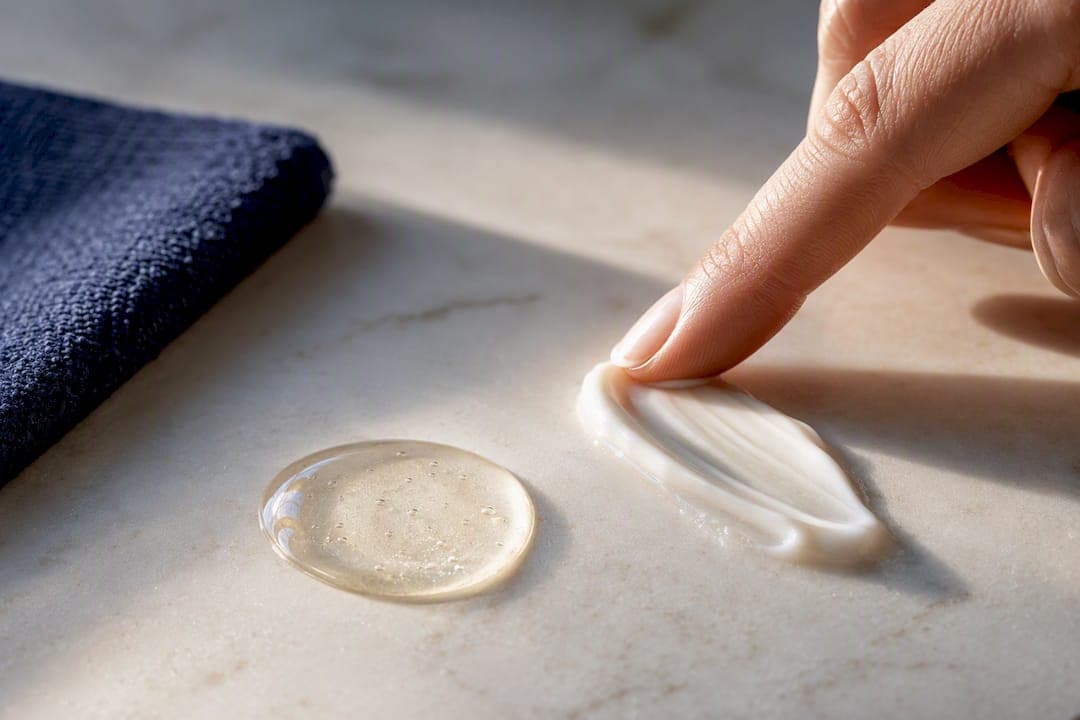
Hemp cream is a moisturizer made from hemp seed oil, built for hydration and daily skin maintenance. CBD cream contains cannabidiol extracted from the hemp plant, formulated for targeted pain and inflammation relief. If you want everyday skin hydration, reach for hemp cream. If you're managing muscle soreness, joint pain, or recovery, CBD cream is the more relevant tool, though the research behind topical CBD is still developing and formulation quality varies widely.
TL;DR:
- Hemp cream relies on hemp seed oil, which provides skin nourishment through fatty acids and is suitable for daily hydration without offering cannabinoid benefits.
- CBD cream contains cannabidiol from hemp flowers or leaves and is formulated for localized pain relief, with effectiveness depending on extract type, potency, and formulation quality.
- Products lacking specific CBD milligram information and a third-party Certificate of Analysis are likely lacking active cannabinoids or are mislabeled.
- Topical CBD shows promise for reducing inflammation and pain through animal studies and small human trials, but results vary widely based on formulation and active ingredients.
- Both hemp seed oil and CBD topicals are generally safe, with mild allergic reactions being the main risk, and full-spectrum CBD potentially affecting drug tests if used heavily over time.
Table of Contents
- Cbd vs Hemp Cream: What Hemp Cream Actually Is
- What Is CBD Cream: Extracts, Potency, and Formulation
- Hemp Cream vs. CBD Cream: The Practical Differences
- Everyday Benefits of Hemp Cream
- Benefits of CBD Cream: What the Evidence Suggests
- How to Choose Between Hemp Cream and CBD Cream
- Applying CBD or Hemp Cream Safely
- What the Research Actually Says
- Side Effects and Allergic Reactions: Hemp Cream vs. CBD Cream
- Typical Price Ranges and Value Comparison
- Verifying Authenticity and Avoiding Mislabeled Products
- Author Perspective: Choosing With Clear Eyes
- Find the Right Balm for Targeted Relief
- Sources
- FAQ
Cbd vs Hemp Cream: What Hemp Cream Actually Is
Hemp cream starts with hemp seed oil, which comes from cold-pressing the seeds of the hemp plant. This process yields an oil rich in fatty acids but contains no CBD or THC, since cannabinoids form in the plant's flowers and leaves, not the seeds, according to Britannica. That distinction matters more than most shoppers realize, because the word "hemp" on a label tells you almost nothing about cannabinoid content.
Most hemp creams pair that seed oil with standard cosmetic ingredients: shea butter, glycerin, aloe, sometimes a fragrance blend. The realistic benefits come down to fatty acid nourishment and skin barrier support.
- Cold-pressed hemp seed oil as the primary active ingredient
- Common carriers like shea butter, coconut oil, or aloe vera
- No cannabinoid content unless a separate hemp extract is added
- Marketed for dryness, general skin comfort, and everyday use
Read the ingredient panel before assuming a "hemp" product does anything beyond moisturize.
What Is CBD Cream: Extracts, Potency, and Formulation
CBD cream contains cannabidiol, a non-intoxicating compound extracted from hemp flowers and leaves rather than the seeds. Applied topically, it doesn't produce a high. What it's formulated to do is interact with cannabinoid receptors near the skin's surface, which is why it's marketed for localized relief rather than general hydration.
Extract type matters. Isolate contains pure CBD with zero other plant compounds. Broad-spectrum includes other cannabinoids and terpenes but strips out THC. Full-spectrum keeps trace THC, typically below the legal 0.3% threshold. Potency labeling can be confusing, since a jar might list total milligrams of CBD per container rather than per application, so a "1,000mg" cream isn't delivering 1,000mg with every use.
- Isolate: pure CBD, no other cannabinoids, easiest to dose predictably
- Broad-spectrum: multiple cannabinoids, THC removed
- Full-spectrum: broadest compound profile, trace THC included
- Complementary actives like menthol, arnica, or eucalyptus often drive the sensation you feel first
The carrier base and those complementary ingredients frequently do as much work as the CBD itself.
Hemp Cream vs. CBD Cream: The Practical Differences
The core difference is ingredient origin. Hemp cream relies on hemp seed oil for hydration; CBD cream relies on hemp extract containing cannabidiol for a targeted physiological effect. One acts as an emollient on the skin's surface. The other is formulated to interact with pathways tied to inflammation and pain signaling, even though topical absorption and penetration remain inconsistent across products.
Labeling tells you which one you're actually holding.
- Ingredients: hemp seed oil (hemp cream) vs. hemp extract/CBD isolate (CBD cream)
- Mechanism: surface moisturizing vs. localized interaction with pain and inflammation pathways
- Labeling cues: look for exact mg of CBD, spectrum type, and a linked Certificate of Analysis (COA)
- Red flag: a green hemp leaf on the label with no CBD milligram count listed anywhere
Brands sometimes blur this on purpose. A jar labeled "hemp relief cream" with no mg count and no COA is almost always a seed oil moisturizer riding on CBD's reputation. If a product can't tell you how many milligrams of CBD are in a jar, assume it has none worth mentioning.
Everyday Benefits of Hemp Cream
Hemp cream earns its place in a skincare routine through consistency, not intensity. The fatty acid profile in hemp seed oil supports the skin's moisture barrier, which makes it a dependable option for dry or sensitive skin that reacts poorly to heavier formulas.
- Hydrates without clogging pores for most skin types
- Generally low irritation risk, useful for sensitive or reactive skin
- Works well as a daily-use lotion or a massage carrier oil
- Not designed to treat pain, inflammation, or arthritis symptoms
Think of hemp cream as a reliable daily habit rather than a fix for a flare-up. If your goal is joint pain or muscle recovery, this isn't the product built for that job.
Benefits of CBD Cream: What the Evidence Suggests
The strongest signal so far comes from animal research: a study on 1% topical CBD gel found it reduced inflammation and pain behavior comparably to topical diclofenac in mice. That's preclinical, not a guarantee of human results, but it's a meaningful starting point.
A small randomized crossover trial of 17 patients with hand osteoarthritis found early improvements in QuickDASH function scores when using topical CBD, with a larger early change compared to baseline than the diclofenac comparison. Seventeen patients is a small sample, and the trial is preliminary, but it's one of the few human studies directly testing topical CBD against a pharmaceutical benchmark.
User-reported experience tends to track with formulation quality more than brand reputation. Potency, carrier oil, and complementary actives like arnica or menthol all shift how much relief someone actually feels, which is why two "CBD creams" can perform completely differently.
How to Choose Between Hemp Cream and CBD Cream
Start with your goal, not the marketing copy. Everything else follows from that one decision.
- Define what you need. Daily hydration points to hemp cream. Muscle soreness, joint pain, or post-workout recovery points to CBD cream.
- Check the CBD milligram count. A legitimate CBD cream lists total mg per container and, ideally, per application.
- Confirm the extract type. Isolate, broad-spectrum, or full-spectrum should be stated plainly, not buried in fine print.
- Look for a linked COA. A Certificate of Analysis from a third-party lab confirms potency and screens for contaminants.
- Scan the ingredient list. Complementary actives like arnica, turmeric, or eucalyptus suggest a formulation built for relief, not just marketing.
Pro Tip: If a product's page doesn't link a COA, email the company and ask for one directly. A brand confident in its testing will send it within a day; one that stalls or dodges the question is telling you something.
Red flags include vague "hemp-derived" language with no CBD figure, stock photos instead of lab documents, and bold medical claims ("cures arthritis") that no topical product can legitimately make.
Applying CBD or Hemp Cream Safely
Apply a dime-to-quarter-sized amount directly to the affected area and massage until absorbed. Most people see the best results applying two to three times daily, especially after activity or before bed.
Patch test any new product first: apply a small amount to your inner forearm and wait 24 hours before full use, watching for redness, itching, or bumps that would signal allergic contact dermatitis.
- Apply to clean, dry skin for better absorption
- Avoid broken skin, open wounds, or freshly shaved areas
- Store away from direct heat, which can degrade cannabinoids over time
- Reapply after washing the area, since topicals don't remain active indefinitely
Topical CBD carries low systemic absorption, but full-spectrum products contain trace THC that could theoretically register on a sensitive drug screen if used heavily over time. If you're subject to regular drug testing, an isolate or broad-spectrum product with a verified COA is the safer route.
Talk to a clinician before use if you're pregnant, on regular anticoagulant medication, or applying near an open wound. The Arthritis Foundation also recommends discussing topical CBD with a doctor if you're managing a chronic joint condition, since results vary and interactions with other treatments aren't fully mapped.
What the Research Actually Says
The evidence base for topical CBD is real but narrow. Animal studies show measurable anti-inflammatory effects, and a handful of small human trials, including the 17-patient osteoarthritis crossover study, report early functional improvement. The Arthritis Foundation sums it up plainly: results are mixed, and overall evidence quality remains low.
The practical takeaway is straightforward. Topical CBD looks genuinely promising for localized recovery, but it isn't universally proven, and formulation quality drives outcomes as much as the cannabinoid itself. Favor lab-tested products over ones making sweeping claims.
Side Effects and Allergic Reactions: Hemp Cream vs. CBD Cream
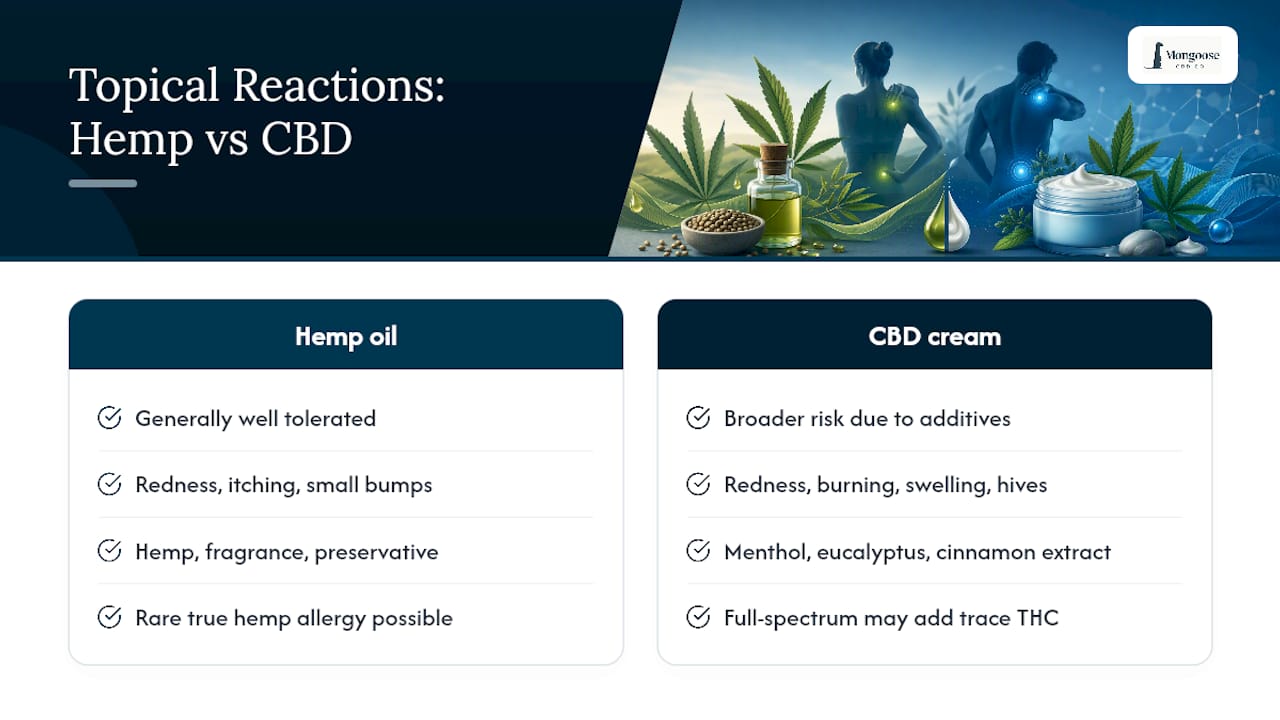
Hemp seed oil is generally well tolerated, since it's a fatty oil similar to other plant-based emollients already common in skincare. The main risk is a mild allergic reaction to hemp itself or to an added fragrance or preservative in the formula, showing up as redness, itching, or small bumps at the application site. True hemp seed allergies are uncommon, but they exist, and cross-reactivity can occur in people with other plant seed allergies.
CBD cream carries a slightly broader risk profile, mostly because of what's mixed in alongside the cannabidiol. Menthol, eucalyptus, and cinnamon extract, all common complementary actives, can trigger contact irritation in people with sensitive skin, independent of the CBD itself. Full-spectrum formulas add another variable: trace THC and other plant compounds that isolate-only products don't carry, which slightly raises the odds of a reaction in people sensitive to broader cannabis compounds.
Neither product category causes systemic side effects like drowsiness or appetite changes, since topical application doesn't meaningfully enter the bloodstream the way oral CBD does. The reactions worth watching for are local: redness, burning beyond the expected warming sensation, swelling, or hives. Discontinue use immediately if any of these appear and don't reapply until you've identified the trigger ingredient.
Anyone with a known sensitivity to essential oils, menthol, or botanical extracts should read the full ingredient list on either product type, not just the front label. The cannabinoid or seed oil is rarely the allergen. It's almost always the supporting cast of fragrances and actives around it.
Typical Price Ranges and Value Comparison
Hemp cream sits at the budget end of the topical market. Because it's a seed oil moisturizer without cannabinoid extraction costs, most jars or bottles run in the range you'd expect from any mid-tier cosmetic lotion, often less than a comparable CBD product at the same size.
CBD cream costs more, and the price generally scales with milligram count and extract type. Isolate-based products tend to sit at the lower end of the CBD price spectrum, while full-spectrum formulas with higher potency and third-party lab testing command a premium. Mongoosecbd's Seriously Soothing Pain Balm and RIKKI TIKKI Recovery balms, for example, are priced from $26.95 to $39.95 depending on size.
Value doesn't come down to price per ounce alone. A cheap CBD cream with no COA and a vague milligram count can be a worse value than a well-labeled hemp cream, because you're paying a premium for a cannabinoid claim you can't verify. Conversely, a well-tested CBD balm with clear labeling and complementary actives like arnica or turmeric can justify its higher price if it actually reduces how often you reach for other pain products.
The smartest comparison isn't hemp cream's price against CBD cream's price. It's cost per milligram of active ingredient against the specific job you need the product to do. A $12 jar of hemp lotion and a $35 CBD recovery balm aren't competing for the same task, so comparing them on price alone misses the point entirely.
Verifying Authenticity and Avoiding Mislabeled Products
The single most reliable authenticity check is a Certificate of Analysis from an independent, third-party lab, not one run by the brand itself. A legitimate COA lists the exact CBD milligram count, confirms THC levels fall under 0.3%, and screens for contaminants like heavy metals, pesticides, and residual solvents from extraction.
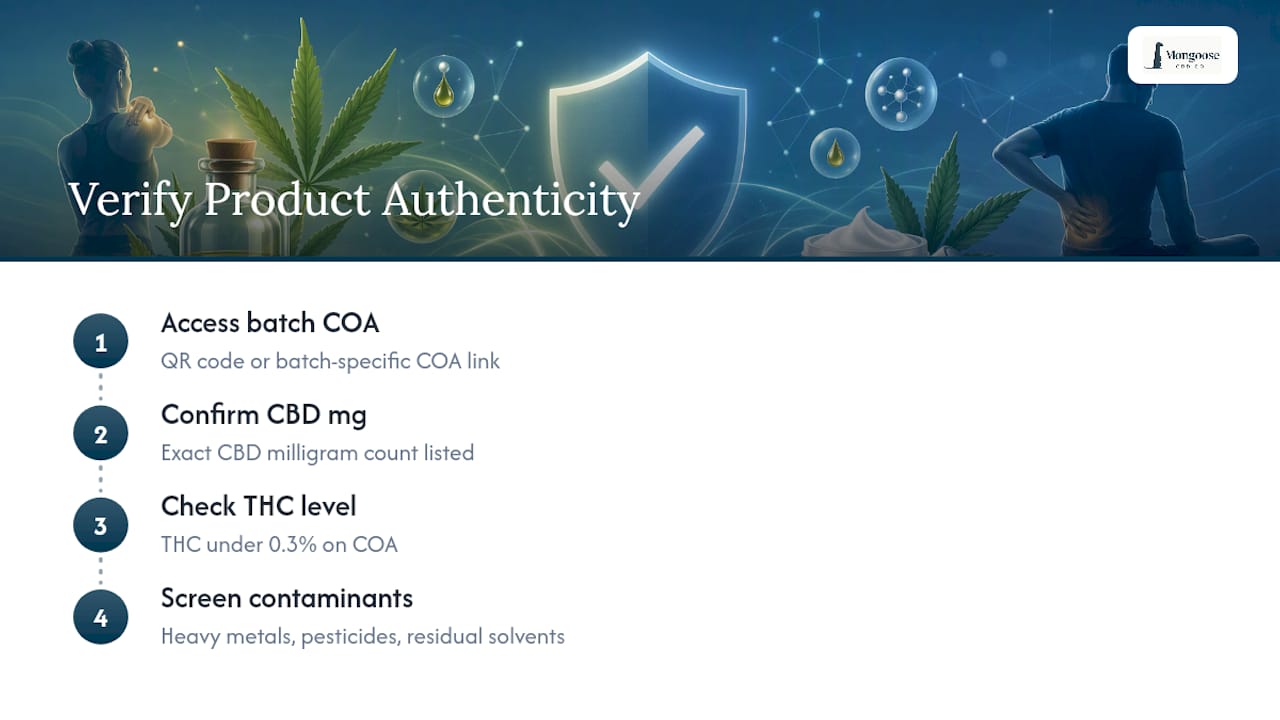
Look for a QR code or batch number on the product packaging that links directly to that specific batch's COA, not a generic lab report posted once and reused across an entire product line. If a company can't produce a batch-specific document, treat that as a serious warning sign.
Cross-check the label against the actual product page. Mismatched milligram counts, spectrum type, or ingredient lists between packaging and the website are common signs of a mislabeled or counterfeit product, especially on third-party marketplaces where sellers sometimes repackage or dilute originals.
Pricing that seems too low for the stated potency is another tell. A "1,000mg full-spectrum" cream selling for less than a basic hemp seed oil lotion almost never contains what the label claims. Genuine extraction and third-party testing cost money, and that cost shows up in the price.
Buy directly from the brand's own site or clearly authorized retailers whenever possible. That single habit eliminates most counterfeit risk before it becomes a problem.
Author Perspective: Choosing With Clear Eyes
Here's the honest framing: reach for hemp cream when you want daily hydration, and reach for a CBD recovery balm when you're dealing with actual soreness or joint pain. Mongoosecbd's formulas exist for the second job specifically. The research on topical CBD is encouraging, not conclusive, so favor products with real COAs over bold promises. Read labels before you read marketing.
— Cindy
Find the Right Balm for Targeted Relief
If you've made it this far, you already know the difference: hemp cream hydrates, CBD cream targets. Mongoosecbd builds specifically for the second job, with balms formulated for athletes and people managing chronic pain, not general skincare shoppers.
The Seriously Soothing Pain Balm and RIKKI TIKKI Recovery balm combine 1,000mg of CBD per ounce with arnica, menthol, turmeric, and other complementary actives, formulated for muscle soreness, inflammation, and arthritis pain rather than everyday moisturizing. Every batch is vegan, non-GMO, paraben-free, and THC-free. Mongoosecbd backs every purchase with a 30-day full refund policy, so trying a balm carries no real risk if it doesn't work for your body. Pick your formula and check current pricing on the product page to get started.
This article is general information, not a substitute for advice from a qualified doctor. Consult a qualified healthcare professional about your own circumstances before acting on anything here.
Sources
- Analgesic and Anti-Inflammatory Effects of 1% Topical Cannabidiol Gel in Animal Models
- AAHS - A Randomized Controlled Trial Comparing Topical Cannabidiol to Topical Diclofenac for the Treatment of Osteoarthritis of Hand
- Topical Treatments for Arthritis Pain — Arthritis Foundation
- Hemp — Britannica
FAQ
Is Hemp Cream Better Than CBD Cream?
Neither is objectively better since they solve different problems. Hemp cream is better for daily hydration, while CBD cream is better suited for targeted pain and inflammation relief.
Which Is Better, Hemp or CBD, for Pain Relief?
CBD is the more relevant option for pain relief, since it's formulated to interact with pathways tied to inflammation, while hemp seed oil has no cannabinoid content at all, according to Britannica. Hemp cream can still help by keeping skin comfortable during recovery, but it isn't designed to treat pain directly.
Does Hemp Cream Really Work for Pain Relief?
Hemp cream itself isn't formulated for pain relief since it contains no cannabinoids, only fatty acids from hemp seed oil. If pain relief is the goal, look for a product that specifically lists CBD milligrams and extract type, like Mongoosecbd's Seriously Soothing Pain Balm.
What Are the Side Effects of Using Hemp Cream?
Hemp cream is generally well tolerated, with the main risk being mild irritation from added fragrances or a rare seed allergy. Reactions typically show up as redness or small bumps at the application site rather than any systemic effect.
How Do I Know if a CBD Cream Is Legitimate?
Check for a linked Certificate of Analysis from a third-party lab confirming the exact CBD milligram count and THC levels under 0.3%. If a product lacks batch-specific testing or makes broad medical claims, treat it as a red flag.