

Topical creams that combine botanicals with proven supportive actives, think curcumin, ginger, arnica, menthol, or CBD, give you the best mix of fast relief and long-term safety for joint and muscle inflammation. None of these ingredients works like a topical NSAID (they don't universally block the same enzymes), but combination formulas that pair a fast sensory ingredient with a slower botanical anti-inflammatory tend to outperform single-ingredient products in real-world use.
Prioritize creams built around:
- Curcumin (turmeric) and 6-shogaol (ginger) for sustained anti-inflammatory support
- Arnica for bruising and localized swelling
- Menthol or capsaicin for quick sensory pain relief
- CBD, often paired with the botanicals above, for combination formulas
- Polyphenols like quercetin or mangiferin for antioxidant support around exercise recovery
Pro Tip: Patch test any new cream on your inner forearm for 24 hours before applying it to a large area, especially if it contains capsaicin, essential oils, or a new-to-you botanical.
Check the safety section below before combining a topical with blood thinners, during pregnancy, or if you're treating a child.
Key Takeaways
Combination formulas pairing a fast sensory ingredient with a slower botanical anti-inflammatory outperform single-ingredient natural creams for both arthritis and muscle soreness.
| Point | Details |
|---|---|
| Combine ingredient types | Look for creams pairing a fast active (menthol, capsaicin) with a sustained one (curcumin, arnica, CBD). |
| Check concentration, not just presence | A vague ingredient list without stated percentages usually signals a weak formulation. |
| Verify CBD lab testing | Any CBD-based topical should have a public Certificate of Analysis confirming potency and purity. |
| Patch test first | Apply a small amount for 24 hours before broader use, especially with capsaicin or new botanicals. |
| Try Mongoose CBD balms | Formulas like Seriously Soothing Pain Balm and Rikki Tikki Recovery pair 1,000mg CBD per ounce with arnica, turmeric, and menthol for combination relief. |
Table of Contents
- What Natural Ingredients Actually Reduce Inflammation?
- How to Choose a Safe, Effective Topical
- How to Apply a Natural Anti-Inflammatory Cream
- Is a Natural Topical Safe for Everyone?
- What Does the Clinical Evidence Actually Show?
- Why the "One Miracle Ingredient" Idea Is Wrong
- The Recommended Option: Mongoose CBD Balms
- Frequently Asked Questions
- Sources
What Natural Ingredients Actually Reduce Inflammation?
Turmeric's active compound, curcumin, is the closest thing this category has to a workhorse. Applied topically, it appears to calm localized inflammatory markers rather than deliver instant numbing, which means it's better suited to daily maintenance than a flare-up you need gone in ten minutes. Research on topical formulations containing turmeric, ginger, or arnica found they can support recovery from exercise-induced soreness and reduce inflammation in some trials, though results depend heavily on how the cream is made.
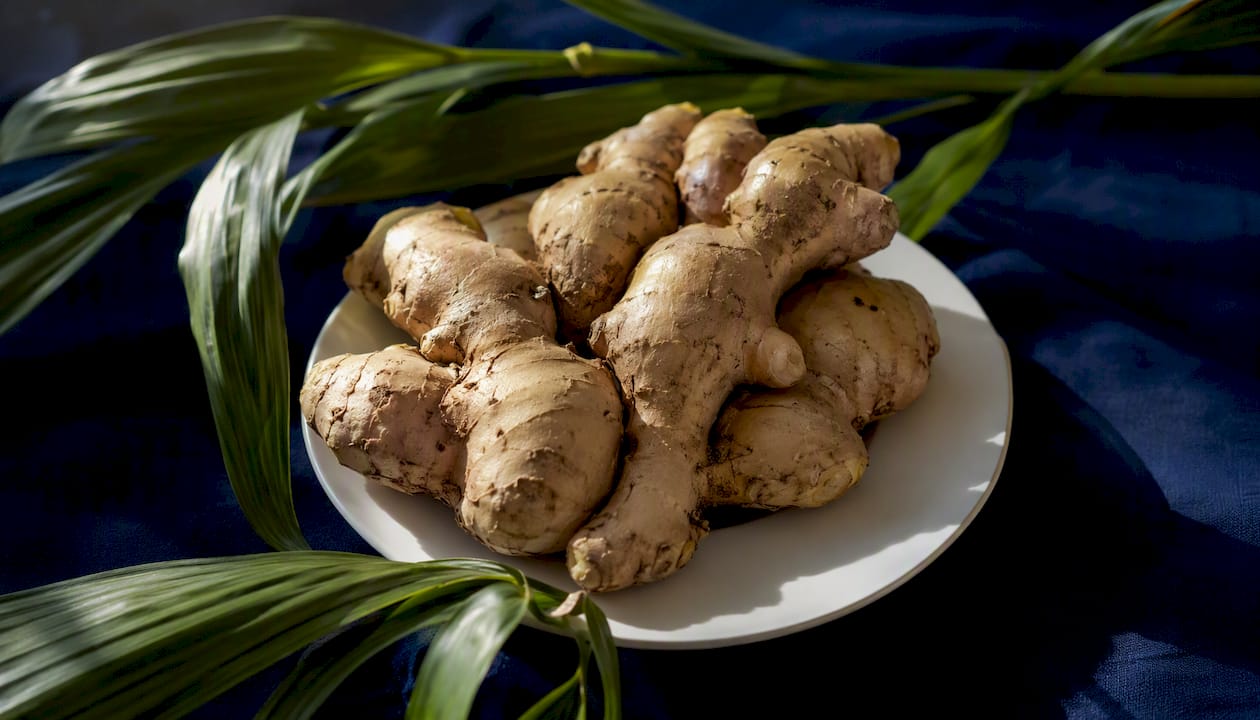
Ginger's relevant compound, 6-shogaol, works on a similar timeline. It's rarely the star ingredient on a label, but it shows up often in recovery-focused blends because it pairs well with other botanicals without competing for the same receptors.
Arnica is the classic bruise-and-swelling remedy, and it earns that reputation. It acts fairly quickly on surface-level inflammation and mild swelling, which is why you'll see it in post-workout balms more than in daily arthritis creams. It has a low irritation profile for most people, though ragweed-sensitive skin can react to it.

Menthol and capsaicin sit in a different category entirely. They don't reduce inflammation so much as override how your nerves perceive pain, working through TRP receptors to produce cooling (menthol) or warming (capsaicin) sensations that distract the nervous system almost immediately. Menthol's cooling hits within minutes and fades within an hour or two. Capsaicin's warming effect builds more slowly and can cause real stinging on first use, particularly on sensitive or broken skin, but many people find that discomfort fades with repeated use as receptors desensitize. If you want a deeper breakdown of how capsaicin compares to other warming actives, capsaicin balm benefits covers the mechanism in more detail.
CBD occupies a middle ground: no burning, no cooling, generally no strong scent, and it's most often used in combination formulas rather than alone. It tends to show up in creams aimed at chronic joint pain and post-exercise soreness rather than acute injury.
Polyphenols like quercetin and mangiferin are the newer additions to this list. Early trial data on combinations, such as mango leaf extract paired with quercetin, found reduced post-exercise muscle pain and improved recovery markers in a double-blind study. These compounds act as antioxidants more than direct anti-inflammatories, which is why they're usually blended with a stronger active rather than sold solo.
Here's a quick way to sort them by what you'll actually feel:
- Warming sensation: capsaicin, cinnamon, clove
- Cooling sensation: menthol, peppermint, eucalyptus
- No sensation, works quietly: curcumin, CBD, arnica, polyphenols
For arthritis, botanicals with sustained anti-inflammatory action (curcumin, CBD, arnica) tend to serve you better than sensory-only ingredients, since joint pain is often a daily, low-grade issue rather than a single flare. For acute exercise soreness, a faster-acting sensory ingredient combined with ginger or arnica often feels more satisfying within the first hour.
Pro Tip: If a cream smells strongly of synthetic fragrance rather than its named botanical, that's often a sign the active ingredient concentration is low. Real arnica or turmeric extract has a distinct, mild scent, not a perfume-counter one.
How to Choose a Safe, Effective Topical
A cream's ingredient list tells you more than its marketing copy ever will. Here's what to check before you buy:
- Concentration, not just presence. A label that lists "arnica" without a percentage or extract ratio tells you almost nothing. Formulation research on topical absorption and vehicle differences confirms that concentration and delivery vehicle change efficacy significantly, so two products with the same headline ingredient can perform very differently.
- Formulation type. Balms (oil and wax based) tend to sit longer on skin and suit thicker, less absorbent areas like knees and elbows. Creams and lotions absorb faster and work better for larger surface areas or daily use under clothing.
- Third-party testing for CBD products. Any cream containing CBD should have a Certificate of Analysis (COA) available, confirming actual cannabinoid content and screening for contaminants. If a brand won't show you one, that's a pass.
- Full, specific ingredient list. Watch for vague catch-alls like "fragrance" or "essential oil blend" hiding what could be an allergen.
- Allergen flags. Ragweed allergies and arnica, tree nut allergies and certain carrier oils, are common mismatches worth checking before you buy.
Label language deserves some healthy skepticism. "Natural" has no regulated definition in this category, so a synthetic warming agent can sit next to that word just as easily as real capsaicin. "Plant-based" tells you the marketing angle, not the dose. "Aromatherapy blend" is often a signal that the scent, not the therapeutic ingredient, is doing most of the work.
Pro Tip: If a product page won't tell you the CBD milligram count per ounce or the concentration of its lead botanical, assume it's a marketing-first product rather than a formulation-first one.
For arthritis, look for a cream with a stated concentration of curcumin, CBD, or arnica you can apply consistently. For post-workout soreness, a warming or cooling sensory ingredient paired with ginger or arnica tends to satisfy faster. For sensitive skin, fragrance-free or single-botanical formulas cut your reaction risk substantially.
How to Apply a Natural Anti-Inflammatory Cream
Getting the technique right matters almost as much as picking the right ingredient.
- Wash and dry the area first so the cream isn't fighting sweat, lotion, or dirt for skin contact.
- Use a pea-to-almond-sized amount for a joint like a knee or elbow; use more for a larger muscle group like the lower back.
- Massage it in fully until it's absorbed, not just smeared on the surface.
- Wash your hands immediately afterward, especially with capsaicin or menthol, to avoid transferring it to your eyes.
- Reapply no more than 3 to 4 times daily unless the label states otherwise.
Timeline expectations vary by ingredient:
- Menthol and capsaicin: sensory effects within minutes, fading within one to two hours
- Curcumin, arnica, and polyphenol blends: noticeable reduction in soreness or swelling over several days of consistent use, not one application
- CBD combination balms: often somewhere in between, with some users reporting relief within 30 to 45 minutes
If you're already taking an oral NSAID or a prescription anti-inflammatory, talk to a clinician before adding a topical with overlapping actives, since layering multiple anti-inflammatory routes can compound side effects even when each one seems mild alone. Store natural topicals away from direct heat and sunlight, since essential oils and botanical extracts degrade faster than synthetic actives, most have a usable shelf life of 12 to 18 months once opened.
Is a Natural Topical Safe for Everyone?
Most people tolerate natural topicals well, but "natural" doesn't mean risk-free. Do a patch test on your inner arm before applying any new cream broadly, and watch for redness, itching, swelling, or blistering over 24 hours.
A few interactions and cautions matter more than most people realize:
- Blood thinners: some botanicals, arnica in particular, have mild anticoagulant properties. Talk to your doctor before regular use if you're on warfarin or similar medication.
- Broken or irritated skin: never apply capsaicin, menthol, or essential oil blends to open wounds, sunburned skin, or active rashes.
- Immunocompromised individuals: check with a clinician before introducing a new topical, since skin reactions can be harder to manage.
- Combining with topical NSAIDs: doubling up on two different topical anti-inflammatories on the same area raises irritation risk without necessarily improving relief.
Pregnancy and breastfeeding call for extra caution. Talk to your OB-GYN before using any topical containing essential oils, high-dose menthol, or CBD, since data on topical absorption during pregnancy is limited. For children, avoid capsaicin and high-concentration menthol products entirely, and check with a pediatrician before using any CBD or herbal topical on anyone under 12.
Pro Tip: Keep a small notebook or phone note of exactly what you applied and when, especially if you're trying more than one product. It makes it far easier to identify the actual cause if a reaction shows up two days later.
Seek medical care promptly if you notice spreading redness, warmth beyond the application site, fever, or pain that worsens rather than improves after a few days. Those are signs of a possible infection or allergic reaction that a cream won't fix.
What Does the Clinical Evidence Actually Show?
The evidence base here is real but modest: a mix of systematic reviews, small randomized trials, and mechanistic studies, not the large-scale, multi-thousand-patient trials you'd see for a prescription drug. A randomized, triple-blind trial on a ginger and annatto blend found measurable reductions in delayed-onset muscle soreness compared with placebo, and that's a genuinely strong design for this category.
The catch is formulation variability. Two creams with "10% arnica" on the label can behave completely differently depending on the extraction method and delivery vehicle, which is one reason head-to-head comparisons across brands are hard to generalize. Sample sizes in most trials also run small, often a few dozen participants, so results point toward a real effect rather than settling the question definitively.
What you can reasonably expect: modest, measurable reduction in soreness and stiffness, and support for functional recovery after exercise. What remains uncertain: how much of that effect holds up across every skin type, every dose, and every brand's specific formula. Mechanistic research on non-drug approaches to inflammation reinforces that inflammatory pathways can be influenced through several different non-pharmaceutical routes, which gives useful context for why a topical botanical can help without acting like a drug.
Why the "One Miracle Ingredient" Idea Is Wrong
Most people shopping for a natural anti-inflammatory cream want a single hero ingredient. That instinct is understandable and mostly misguided. The trial data consistently favors combinations, ginger with annatto, mango leaf extract with quercetin, curcumin with a delivery-enhancing carrier, over any solo compound.
What gets overlooked is that sensation and effectiveness are two separate things. Menthol feels like it's working because you feel it working. Curcumin doesn't produce that same instant feedback, which leads people to underrate it and overrate warming or cooling agents that are, honestly, just masking pain rather than reducing inflammation.
If you take one thing from this, prioritize formulation transparency over flashy claims. A cream that lists its curcumin percentage and pairs it with a complementary active like CBD or arnica is a better bet than one leaning on vague words like "herbal fusion." Read the label like you'd read a nutrition panel, not an ad.
The Recommended Option: Mongoose CBD Balms
If you want a topical that follows the ingredient-combination logic laid out above, Mongoose CBD Co. balms are built around it directly. Each formula pairs 1,000mg of CBD per ounce with botanicals like arnica, turmeric, menthol, eucalyptus, and clove, rather than relying on one active ingredient to do all the work.
The Seriously Soothing Pain Balm comes in a few scent variants, including Eucalyptus Mint for a cooling profile and Lavender Lemongrass for sensitive skin that doesn't want a strong warming sensation. If you're managing arthritis specifically, CBD balm for arthritis breaks down which formulation fits daily joint pain best. For post-workout recovery, the Rikki Tikki Recovery balm is formulated specifically around muscle soreness rather than joint stiffness.
Every product is vegan, paraben-free, and THC-free, with third-party lab testing behind the CBD content. If you're not sure which one to start with, order the Miracle Pain Balm sample first, patch test it on a small area, and see how your skin responds before committing to a full-size tin. Mongoose CBD Co. backs every purchase with a 30-day refund policy, so testing a new balm carries little downside.
Frequently Asked Questions
Does a natural anti-inflammatory cream work as well as a pharmaceutical one? Not identically. Topical NSAIDs like diclofenac gel target inflammation through a specific enzyme pathway with well-documented dosing, while natural creams work through gentler, more varied mechanisms. Many people use natural options for daily maintenance and reserve pharmaceutical topicals for acute flares, under a clinician's guidance.
How long does it take a natural topical to start working? Menthol and capsaicin produce a sensory effect within minutes. Botanical anti-inflammatories like curcumin or arnica usually need several days of consistent use before you notice a real reduction in soreness or stiffness.
Can I use a CBD balm alongside my prescription arthritis medication? Talk to your doctor first, especially if you're on blood thinners or other anti-inflammatory medications, since combining treatments can amplify effects in ways that aren't always predictable.
What's the typical price range for a quality natural anti-inflammatory cream? Most well-formulated options, especially CBD-based combination balms, run higher than drugstore menthol rubs because of ingredient sourcing and lab testing costs. Reviews commonly cite absorption speed, scent, and consistency of relief as the biggest differentiators between brands.
Is it safe to use a natural pain cream every day? For most people, yes, within the label's stated frequency limits, typically three to four applications daily. Watch for skin irritation with prolonged daily use of capsaicin or high-menthol products specifically.
This article is general information, not a substitute for advice from a qualified doctor. Consult a qualified healthcare professional about your own circumstances before acting on anything here.
Sources
- PMC5329173
- Supplementation with a Mango Leaf Extract (Zynamite®) in Combination with Quercetin Attenuates Muscle Damage and Pain and Accelerates Recovery after Strenuous Damaging Exercise
- Effect of a Blend of Zingiber officinale Roscoe and Bixa orellana L. Herbal Supplement on the Recovery of Delayed-Onset Muscle Soreness
- PMC3491633
- Researchers pinpoint how acupuncture targets inflammation — Harvard Gazette