
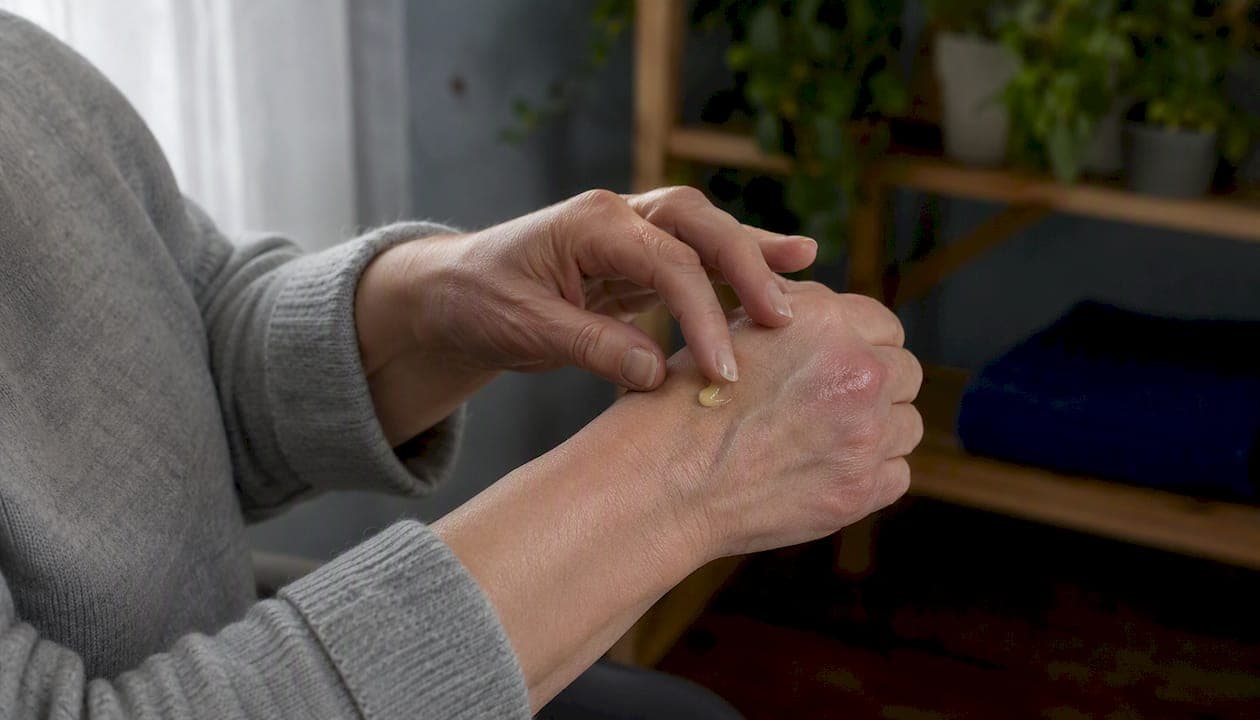
The best human evidence available right now doesn't support CBD as a reliable treatment for psoriatic arthritis pain or disease activity. A randomized, double-blind, placebo-controlled trial testing 20 to 30 mg of synthetic CBD daily for 12 weeks found no meaningful improvement in pain, sleep, anxiety, or depression compared to placebo in people with hand osteoarthritis and psoriatic arthritis. That's the most rigorous test we have, and it came back null.
That doesn't mean CBD does nothing for everyone. Anecdotal reports of relief are common, and lab studies on animal models show plausible anti-inflammatory activity worth studying further. But preclinical promise and patient testimonials are not the same thing as clinical proof, and right now the gap between them is wide for psoriatic arthritis specifically.
Here's what that means in practice:
- The strongest trial to date showed no statistically significant benefit over placebo.
- Preclinical and animal data suggest anti-inflammatory mechanisms, but they haven't translated into confirmed human results for PsA.
- Some people report symptom relief, particularly with topical products, though that could reflect other active ingredients or a placebo response.
- Talk to your rheumatologist before adding CBD, especially if you're on methotrexate, biologics, or other medications metabolized by the liver.
Key Takeaways
The highest-quality clinical trial available shows CBD provides no significant benefit over placebo for psoriatic arthritis pain, sleep, anxiety, or depression.
| Point | Details |
|---|---|
| RCT shows no benefit | The 2022 trial found a 0.23 mm difference in pain intensity between CBD and placebo, statistically meaningless. |
| Evidence is thin overall | Only one RCT and one observational study directly address psoriatic arthritis in humans. |
| Mechanism is plausible, not proven | Lab studies show anti-inflammatory activity, but this hasn't translated into confirmed clinical results. |
| Check CYP450 interactions | CBD can affect how your liver metabolizes DMARDs, biologics, and other common medications. |
| Choose topical if systemic risk worries you | Products like Mongoosecbd's Seriously Soothing Pain Balm avoid bloodstream exposure while meeting quality checks like COA verification. |
Never stop or adjust a prescribed disease-modifying therapy based on a CBD trial. That decision belongs to you and your rheumatologist.
Table of Contents
- What the Research Actually Shows About CBD for Psoriatic Arthritis
- How CBD Might Help Psoriatic Arthritis (the Biological Rationale)
- Which Form of CBD Is Best for Joint and Skin Symptoms?
- Is CBD Safe to Use With Psoriatic Arthritis Medications?
- What Should You Look For When Buying CBD for Arthritis?
- How Should You Dose and Trial CBD Safely?
- The Clinical Trials and Reviews Behind This Verdict
- A Practical Stance for Patients Considering CBD
- If You Want a Topical Option, Here's What to Look For
- Sources
What the Research Actually Shows About CBD for Psoriatic Arthritis
It's that there are barely any studies to begin with. The 2022 trial published in a peer-reviewed journal randomized 136 participants (129 included in the primary analysis) with hand osteoarthritis or psoriatic arthritis to receive either synthetic CBD or placebo for 12 weeks. Researchers tracked pain intensity, sleep quality, anxiety, and depression. At the end of the trial, the between-group difference in pain intensity was 0.23 mm on a 100mm scale, a number so small it's statistically meaningless. Roughly equal numbers of people in both groups reported a meaningful pain reduction, which tells you the placebo effect was doing most of the work.
A broader systematic review of cannabis-based therapies in rheumatological diseases backs this up. Researchers pulled together 28 articles across various rheumatic conditions, but only a small fraction touched on psoriatic arthritis directly. The review's authors describe cannabis therapies as worth further investigation in some rheumatic conditions, but they're explicit that the psoriatic arthritis evidence base is too thin to draw firm conclusions.
Healthgrades' clinical summary frames this well: for PsA specifically, there are really just two human data points worth mentioning. One observational study found positive associations between CBD use and symptom relief. The 2022 RCT found nothing. An observational study can't establish cause and effect the way a randomized trial can, since people who choose to try CBD may differ from those who don't in ways that affect their symptoms anyway.
| Evidence type | What it showed | Strength |
|---|---|---|
| Randomized controlled trial (2022) | No significant benefit over placebo for pain, sleep, anxiety, or depression | High quality, but a single study |
| Observational study | Positive association with symptom relief | Low quality, prone to bias |
| Preclinical/animal studies | Anti-inflammatory and pain-signaling effects | Not directly applicable to humans |
| Systematic reviews | Interest in cannabis therapies overall, but PsA data too limited | Summarizes weak evidence base |
A few structural problems make this evidence even harder to interpret:
- Sample sizes are small. A single trial of 129 people isn't enough to detect a modest benefit if one exists.
- Formulations vary wildly. Synthetic CBD in a capsule behaves differently than a full-spectrum tincture or a topical balm, and studies rarely test the same product.
- Outcome measures differ across studies, making it hard to compare results or pool data into a larger analysis.
- Nobody has run a large, PsA-specific trial isolating CBD from other variables like concurrent DMARDs or biologics.
Systematic reviewers keep saying the same thing: they need larger, standardized trials before anyone can draw a real conclusion.
How CBD Might Help Psoriatic Arthritis (the Biological Rationale)
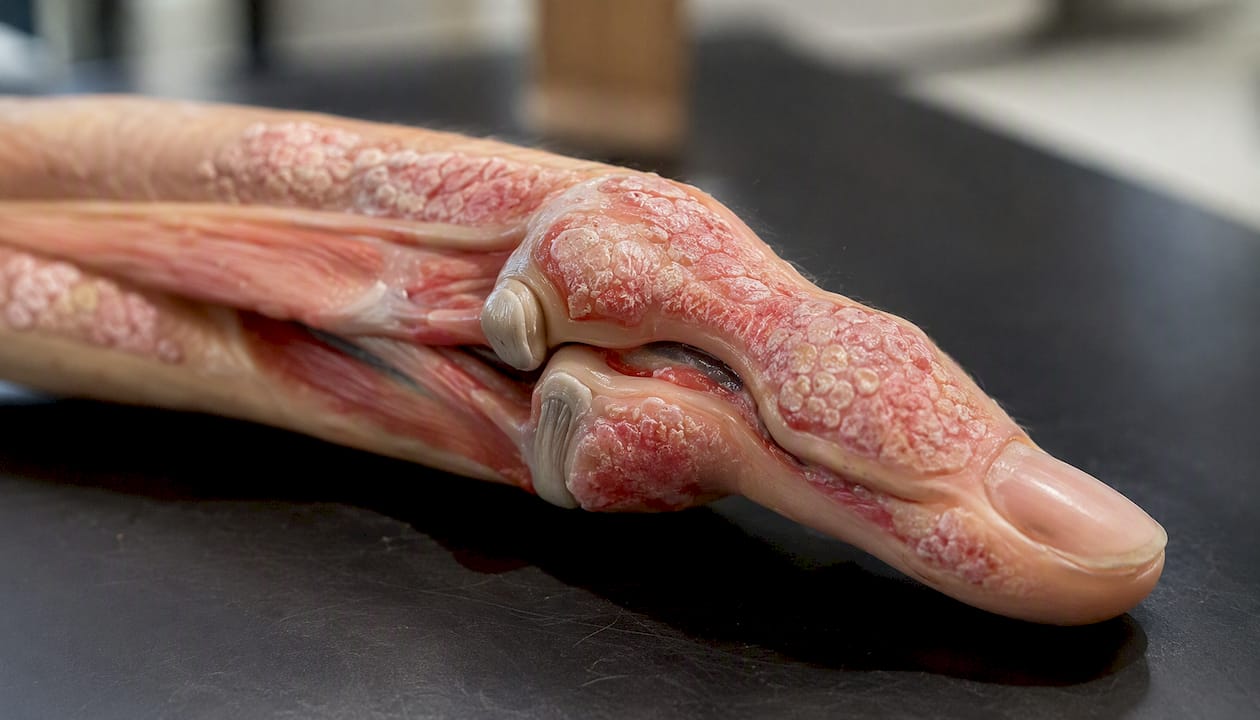
CBD interacts with the endocannabinoid system, a network of receptors (mainly CB1 and CB2) that helps regulate pain signaling, immune response, and inflammation throughout the body. CB2 receptors show up heavily on immune cells, which is why researchers got interested in CBD for autoimmune and inflammatory conditions like psoriatic arthritis in the first place. In theory, activating or modulating these receptors could dial down the inflammatory cascade that drives joint damage and skin plaques in PsA.
Lab and animal research backs up parts of this theory. A PubMed Central review found that CBD downregulates proinflammatory cytokines and reduces pain behaviors in animal models. Separately, research on CBD and psoriasis shows it may reduce inflammation, oxidative stress, and itching in preclinical skin models, along with some improvement in skin hydration.
Here's the catch, and it's a big one: mechanism plausibility is not the same as proven clinical effect. Plenty of compounds look great in a petri dish or a mouse model and then fail to show benefit once you test them in actual humans with actual disease, which is exactly what happened in the 2022 RCT. A few things worth keeping in mind:
- CB2 receptor activation reduces inflammatory markers in lab settings, but human joints are a far more complex environment than a cell culture.
- Animal models of arthritis don't fully replicate the autoimmune drivers behind psoriatic arthritis.
- Bioavailability (how much CBD actually reaches inflamed tissue) varies enormously between oral, topical, and inhaled forms, which could explain why lab success hasn't shown up in trials yet.
The rationale for testing CBD in psoriatic arthritis is real. The clinical payoff, so far, isn't.
Which Form of CBD Is Best for Joint and Skin Symptoms?
The delivery method matters as much as the CBD itself, and each option comes with tradeoffs.
Topical balms and creams apply CBD directly to the skin over a painful joint. The appeal is obvious: no systemic absorption, no interaction with your oral medications, and a familiar experience similar to rubbing in any other pain-relief product. The uncertainty is how much CBD actually penetrates the skin to reach inflamed joint tissue underneath. Many topical products also include other active ingredients like menthol, capsaicin, or camphor, which means the relief people feel might come from those additives rather than the CBD itself. Reading the full ingredient list matters more than most people realize.
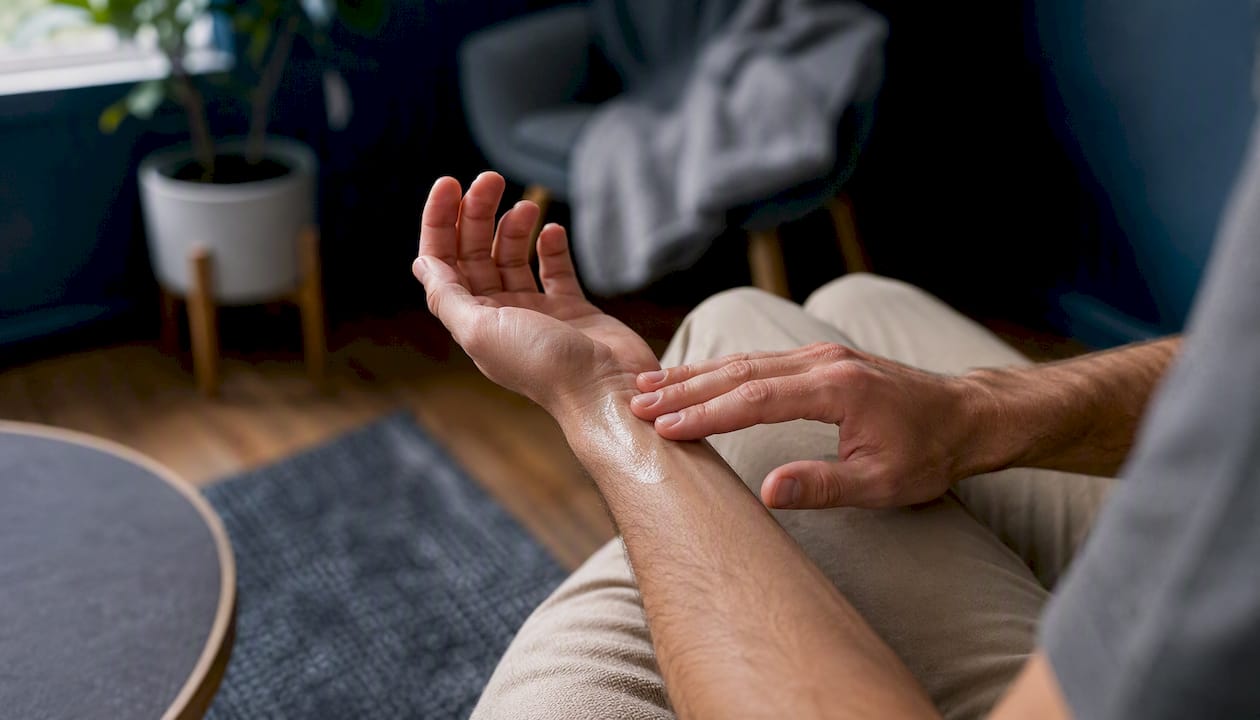
Oral and sublingual products (tinctures, capsules, gummies) work systemically, meaning CBD enters your bloodstream and theoretically reaches every joint at once rather than just the one you rub cream on. The downside is absorption variability. Oral CBD has notoriously low and inconsistent bioavailability, and this is also the route most likely to interact with other medications, since it passes through your liver's metabolic pathways.
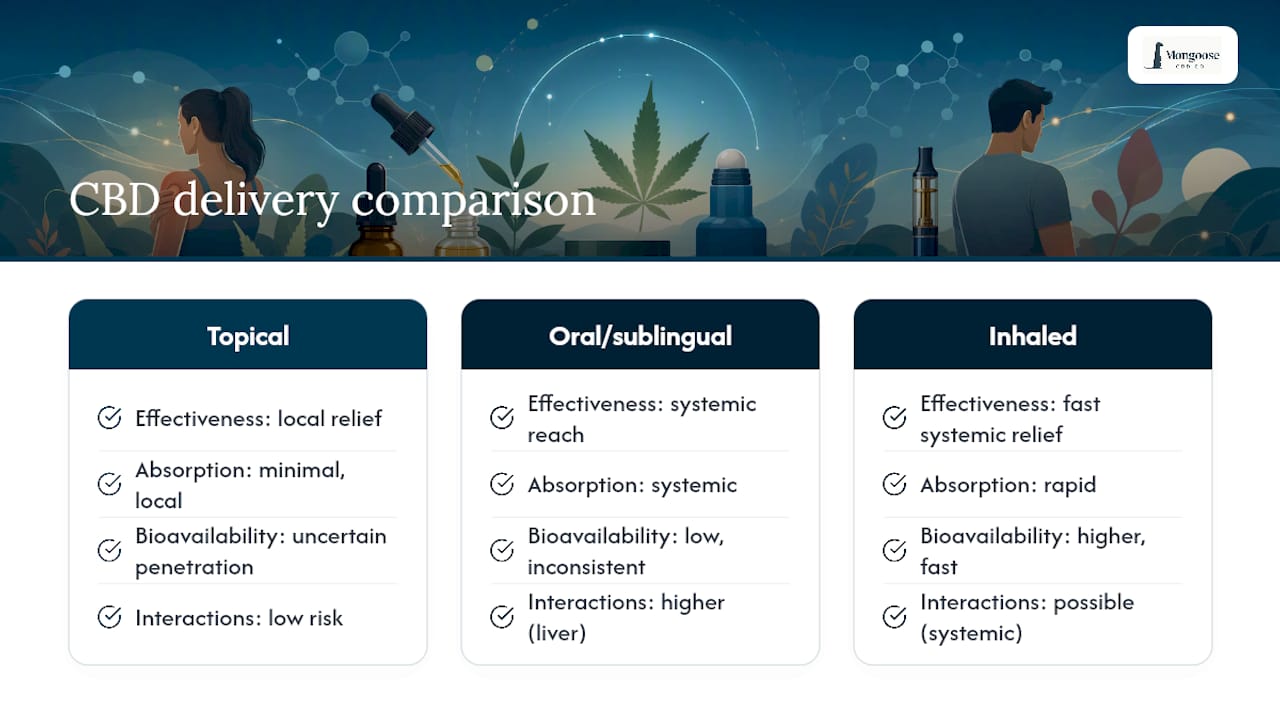
Inhaled products (vaping) get CBD into your bloodstream fastest, but this route is generally discouraged for chronic condition management. Vaping introduces respiratory risks that outweigh any speed advantage, and there's essentially no clinical rationale for choosing it over sublingual drops for a condition like psoriatic arthritis.
Some patients combine a topical for localized joint or skin flares with a low-dose oral product for broader systemic support, though this doubles the importance of checking THC content and drug interactions on both fronts. If you're wary of anything that reaches your bloodstream, a topical-first approach limits your exposure while still letting you test whether CBD does anything for your specific pain.
Is CBD Safe to Use With Psoriatic Arthritis Medications?
The side effect profile for CBD is generally mild, but the interaction risks deserve real attention if you're managing psoriatic arthritis with prescription drugs.
Commonly reported side effects in clinical studies include fatigue, diarrhea, and drowsiness. These tend to be dose-dependent and often ease up as your body adjusts. Less common but more serious is the potential for liver enzyme elevation at higher doses, which is why baseline and follow-up liver function tests are worth discussing with your doctor if you're taking CBD regularly, particularly at oral doses.
The bigger concern for psoriatic arthritis patients specifically is drug interactions. CBD is metabolized by the cytochrome P450 (CYP450) enzyme system in your liver, the same system responsible for breaking down a long list of common medications. The Arthritis Foundation warns explicitly that CBD can raise or lower blood levels of drugs processed through this pathway, and recommends anyone on prescription medications talk to their clinician before adding CBD, given the potential for CYP450-mediated interactions.
- Methotrexate, a common DMARD for PsA, and certain biologics can carry interaction risks that a pharmacist or rheumatologist should evaluate.
- Blood thinners, some antidepressants, and seizure medications are also processed through CYP450 pathways and warrant the same caution.
- Pregnant or breastfeeding individuals should avoid CBD, since safety data in these populations doesn't exist and the FDA has flagged fertility and developmental concerns as unresolved questions.
- Anyone with existing liver disease should be especially cautious with oral CBD and monitor liver enzymes closely if they choose to try it.
Pro Tip: Bring your full medication list to your rheumatologist or pharmacist before starting CBD, even a topical. Ask specifically whether any of your PsA medications are metabolized through CYP3A4 or CYP2C9, the two CYP450 pathways CBD affects most.
What Should You Look For When Buying CBD for Arthritis?
Quality control across the CBD market is inconsistent, and the FDA has been direct about the risks: most retail CBD products are not FDA-approved, and mislabeling is common enough that you shouldn't take a label at face value. A product that says "1,000mg CBD" on the bottle may contain significantly less, or may contain contaminants like heavy metals or pesticide residue that never show up unless someone tests for them.
Before buying anything, run through this checklist:
- Third-party lab report (COA). A certificate of analysis from an independent lab confirms actual cannabinoid content and screens for contaminants. If a brand can't produce one, don't buy the product.
- Verified CBD content. The COA should match what's printed on the label within a reasonable margin. Big discrepancies are a red flag.
- THC labeling. Federal law caps hemp-derived CBD products at 0.3% THC by dry weight, but products vary, and you'll want to know exactly what you're getting, especially if drug testing is a concern for your job.
- Full-spectrum vs. broad-spectrum vs. isolate. Full-spectrum contains the full range of cannabinoids and trace THC; broad-spectrum removes THC but keeps other cannabinoids; isolate is pure CBD with nothing else. For inflammation and pain, some people report better results with full or broad-spectrum products due to what's called the entourage effect, though this hasn't been rigorously proven in PsA-specific trials.
- Ingredient transparency. Check for confounding additives like menthol or capsaicin if you're trying to isolate whether CBD itself is doing anything for you.
Buy from retailers who publish COAs openly and update them per batch, not a single report from years ago. If a product seems too cheap for the CBD content it claims, that's usually because it doesn't contain what the label says.
How Should You Dose and Trial CBD Safely?
If you and your clinician decide a trial makes sense, treat it like the experiment it is: start low, track everything, and give it enough time to know if it's working.
- Start with the lowest available dose. For sublingual tinctures, that often means 5 to 10 mg once daily for the first several days, holding the oil under your tongue for 60 to 90 seconds before swallowing.
- Increase gradually if there's no adverse reaction. A common approach is raising the dose by 5 to 10 mg every three to seven days, watching closely for fatigue, GI upset, or drowsiness at each step.
- For topical products, apply a small amount to the affected joint two to three times daily, and watch for skin irritation at the application site before expanding to larger areas.
- Keep a symptom diary. Log pain levels, stiffness, sleep quality, and any side effects daily. Without this, it's nearly impossible to tell whether changes are from CBD or normal day-to-day fluctuation in your PsA symptoms.
- Give it a real trial period. Four to six weeks is a reasonable window to judge topical or low-dose oral CBD before deciding whether it's worth continuing.
- Recheck in with your rheumatologist partway through, especially if you're on medications that could interact, so they can flag any lab changes or symptom shifts you might miss on your own.
- Never adjust or stop prescribed DMARDs or biologics based on how the CBD trial is going. Disease-modifying therapy controls the underlying disease process, not just symptoms, and stopping it risks joint damage that CBD cannot reverse.
The Clinical Trials and Reviews Behind This Verdict
The verdict in this guide rests on a small number of studies, and it's worth knowing exactly what they found and where their limits are.
The 2022 randomized, double-blind, placebo-controlled trial is the centerpiece. Researchers randomized 136 participants with hand osteoarthritis or psoriatic arthritis (129 included in the final analysis) to synthetic CBD at 20 to 30 mg per day or placebo for 12 weeks, then measured pain intensity, sleep, anxiety, and depression.
The between-group difference in pain intensity at 12 weeks was just 0.23 mm on a 100mm visual analog scale (95% CI -9.41 to 9.90; P = 0.96), with similar proportions of participants in each group achieving a 30mm or greater pain reduction.
That statistic is about as close to "no effect" as a clinical trial result gets. A confidence interval that wide, straddling zero on both sides, means the true effect could be a tiny benefit, a tiny harm, or nothing at all, and the P value of 0.96 confirms there's no meaningful signal to chase.
| Study | Design | Key finding |
|---|---|---|
| 2022 RCT (hand OA and PsA) | Double-blind, placebo-controlled, n=129 | No significant difference from placebo on pain, sleep, anxiety, or depression |
| Systematic review, rheumatological diseases | Review of 28 articles | Cannabis therapies show promise broadly, but PsA-specific data are too limited for conclusions |
| Healthgrades clinical summary | Narrative summary of human PsA data | Only two relevant human studies exist: one observational (positive), one RCT (null) |
The systematic review of cannabis therapies in rheumatological disease adds context rather than contradicting the RCT. Its authors reviewed 28 articles spanning multiple rheumatic conditions and found genuine interest in cannabis-based approaches for pain and inflammation generally, but they explicitly flagged that psoriatic arthritis studies are too few and too inconsistent in design to support firm conclusions. Combined, these sources paint a consistent picture: the highest-quality evidence available says CBD doesn't move the needle on PsA symptoms, and everything else is either preclinical or too small to trust.
A Practical Stance for Patients Considering CBD
The instinct to try anything that might reduce pain is completely understandable if you're living with psoriatic arthritis. But the honest answer, based on where the science stands, is that CBD is not a substitute for disease-modifying therapy. Nothing in the RCT or the systematic reviews suggests CBD controls the underlying autoimmune process driving joint damage the way methotrexate or a biologic does. If you're on a DMARD that's working, or even one you're still evaluating, CBD is not the thing to lean on instead.
Where I think a cautious trial makes sense is as an adjunct, not a replacement, and specifically as a topical-first experiment if you're worried about systemic interactions. Document your symptoms before you start. Talk through your full medication list with whoever manages your PsA care. If a low-dose topical over a flaring joint helps you sleep better or move more comfortably, that's a reasonable outcome to pursue, even if it's not going to show up in a future systematic review as proof of efficacy. Just don't let a pleasant topical experience convince you that CBD is doing more than it demonstrably does, and never let it replace the treatment actually keeping your disease under control.
If You Want a Topical Option, Here's What to Look For
If a topical-first approach appeals to you, given the systemic interaction risks discussed above, the buying checklist still applies: verified lab testing, transparent ingredients, and clear THC labeling. Mongoosecbd's Seriously Soothing Pain Balm is built around 1,000mg of CBD per ounce combined with arnica, menthol, turmeric, and eucalyptus, and it's formulated THC-free, vegan, and paraben-free.
The balm comes in a few variations, including a Cinnamon & Clove formula and an Eucalyptus Mint version, so you can pick a scent profile that suits you without changing the core formulation. For anyone specifically dealing with post-activity joint soreness on top of PsA symptoms, Rikki Tikki Recovery targets muscle recovery alongside inflammation.
A topical stays local, which means it sidesteps the CYP450 interaction concerns that come with oral CBD, making it a lower-risk starting point if your medication list makes you nervous about systemic exposure. Mongoosecbd backs every purchase with a 30-day refund policy, so testing whether a balm helps your joints doesn't require a long-term commitment. If you're ready to try one, browse the full pain balm lineup and talk to your rheumatologist about adding it to your routine.
Sources
Share these with your rheumatologist or pharmacist before starting any CBD trial, especially if you're weighing interaction risks against a prescribed treatment plan.
- Cannabidiol treatment in hand osteoarthritis and psoriatic arthritis: a randomized, double-blind, placebo-controlled trial - PubMed
- Cannabis therapy in rheumatological diseases: A systematic review - PMC
- CBD for Arthritis Pain | Arthritis Foundation
- CBD for Psoriatic Arthritis: What Your Patients Should Know
- FDA regulation: Cannabis and cannabis-derived products, including cannabidiol (CBD)