

The right topical pain reliever depends on what's actually causing your pain. For surface muscle aches and strains, a counterirritant (menthol, methyl salicylate, camphor) does the job. For localized inflammatory joint pain like osteoarthritis in your hands or knees, a topical NSAID like diclofenac gel has the strongest clinical evidence. For nerve pain or numbness, lidocaine or capsaicin formulas work by an entirely different mechanism. And if you prefer a natural, multi-ingredient topical without synthetic counterirritants, a CBD-based balm like Mongoosecbd's Seriously Soothing Pain Balm is worth serious consideration.
Quick picks by pain type:
- Surface muscle soreness or strains: Ultra-strength counterirritant (Icy Hot, Tiger Balm, or a store-brand equivalent with Menthol 10%, Methyl Salicylate 30%, Camphor 4%)
- Localized inflammatory joint pain (arthritis): Topical NSAID, specifically Voltaren diclofenac gel (OTC)
- Nerve pain or focal numbness: Topical anesthetic (lidocaine-based) or capsaicin cream (Zostrix)
- Patch format for hands-free relief: Salonpas patches (salicylate + menthol combination)
- Budget buy: Store-brand generics (Equate, GoodSense) with identical Drug Facts to name brands
- CBD-based natural option: Mongoosecbd Seriously Soothing Pain Balm with 1,000mg CBD per ounce plus arnica, menthol, and botanical oils
Table of Contents
- What are the best Bengay alternatives for each pain type?
- Detailed picks: which alternative works best for your specific pain
- How to choose the right option and stay safe
- Key Takeaways
- The ingredient label is the only thing that matters
- Mongoosecbd Seriously Soothing Pain Balm: a natural alternative worth trying
- Useful sources for further reading
What are the best Bengay alternatives for each pain type?
| Category | Best for | Active ingredient / mechanism | Form | OTC or Rx | Typical frequency | Key safety note |
|---|---|---|---|---|---|---|
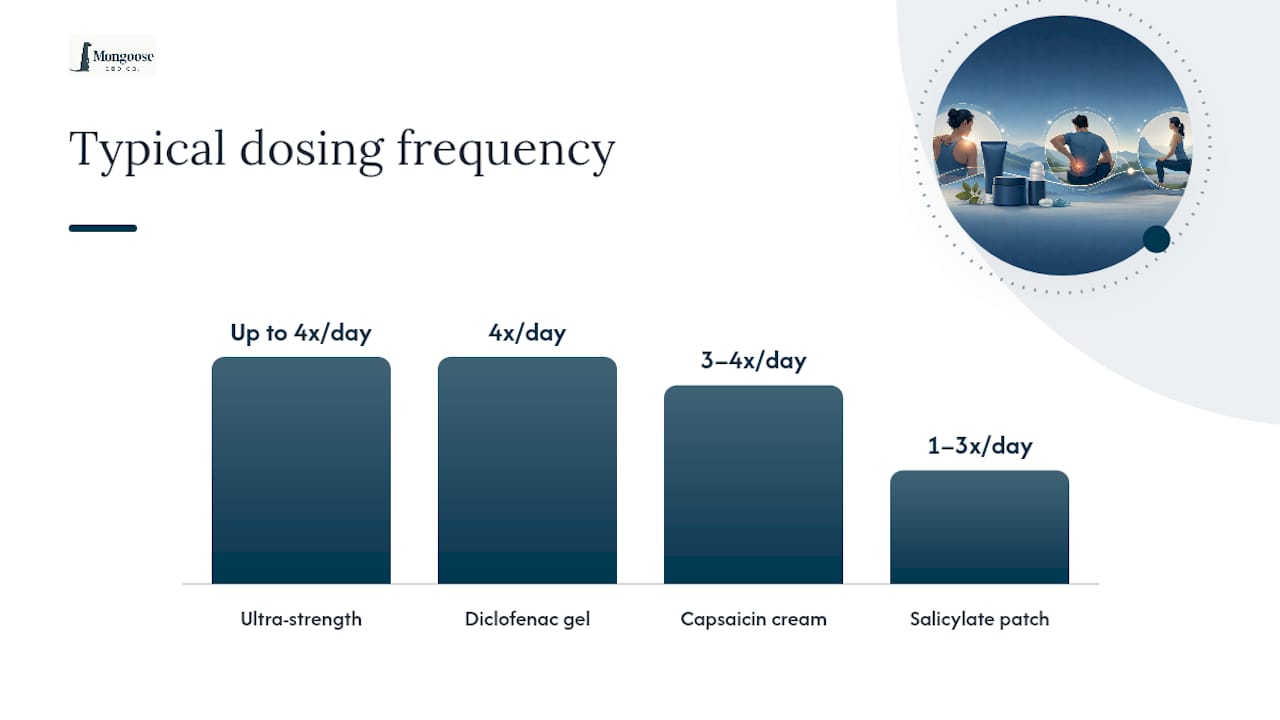
| Ultra-strength counterirritant | Surface muscle soreness, strains | Menthol 10%, Methyl Salicylate 30%, Camphor 4% | Cream, ointment | OTC | Up to 4x daily | Avoid broken skin; caution with anticoagulants |
| Topical NSAID (diclofenac gel) | Localized arthritis joint pain | Diclofenac 1% (anti-inflammatory) | Gel | OTC (Voltaren) | 4x daily | Not with oral NSAIDs without guidance |
| Topical anesthetic (lidocaine) | Nerve pain, focal numbness | Lidocaine 4% (numbing) | Cream, patch | OTC | Per label | Avoid large surface areas |
| Capsaicin cream | Nerve pain, chronic arthritis | Capsaicin (depletes substance P) | Cream | OTC | 3–4x daily | Burning sensation first 2 weeks |
| Salicylate patch (Salonpas) | Moderate muscle/joint pain, hands-free | Methyl salicylate + menthol | Patch | OTC | 1–3x daily | Do not cut; remove before MRI |
| CBD/topical botanicals | Muscle soreness, joint aches, recovery | CBD + arnica, menthol, botanicals | Balm, cream | OTC | As needed | THC-free options available |
| Store-brand generic | Any of the above (matched formula) | Matches name-brand Drug Facts | Cream, gel | OTC | Same as name brand | Check Drug Facts panel to confirm match |
Shopping cue: Store-brand generics from Equate or GoodSense often list the same active-ingredient percentages as name-brand ultra-strength formulas. The Drug Facts panel on the back is the only comparison that matters.
Detailed picks: which alternative works best for your specific pain
Best for localized arthritis joint pain: Voltaren (diclofenac 1% gel)
Voltaren is the only OTC topical with a true anti-inflammatory mechanism. Topical diclofenac has clinical evidence for arthritis pain in specific small joints and differs fundamentally from counterirritants, which only mask the sensation. Apply it four times daily directly to the affected joint. It does not work well for large muscle groups or diffuse soreness.
Pros: Anti-inflammatory, not just masking; OTC; strong evidence for hand/knee osteoarthritis Cons: Not for widespread muscle pain; avoid with oral NSAIDs without clinician guidance; gel texture may not suit everyone
Best for deep muscle soreness: Ultra-strength counterirritant (Icy Hot, Tiger Balm, store-brand)
For post-workout soreness, strains, or back muscle tension, a high-concentration counterirritant delivers the most immediate sensory relief. Icy Hot's ultra-strength cream and Tiger Balm's red formula both hit the upper end of the counterirritant range. So do store-brand equivalents from Equate or GoodSense that list the same percentages on their Drug Facts panel.

Pros: Fast-acting, widely available, inexpensive with generics; multiple formats (cream, patch, spray) Cons: Strong smell; can irritate sensitive skin; not appropriate for inflammatory joint conditions
Best for nerve pain: Zostrix (capsaicin) or lidocaine-based topicals
Capsaicin and lidocaine formulas are better suited for nerve-related pain than any counterirritant. Zostrix uses capsaicin to gradually deplete substance P in nerve endings, which reduces pain signaling over repeated use. Lidocaine-based creams (like Aspercreme with Lidocaine) work faster but numb rather than address the underlying nerve sensitization. For capsaicin, expect a burning sensation for the first one to two weeks before the benefit kicks in. That is not a side effect to worry about; it is the mechanism working. You can also read more about how capsaicin compares to other topical options in this overview of capsaicin balm benefits.
Pros: Targets nerve pain specifically; capsaicin has cumulative benefit; lidocaine gives fast relief Cons: Capsaicin requires consistent use before benefit; initial burning; wash hands thoroughly after application
Best patch format: Salonpas
Salonpas patches combine methyl salicylate and menthol in a hands-free adhesive format. They are useful for areas where rubbing in a cream is inconvenient (lower back, shoulder, knee) and deliver a steady dose over several hours. Apply one to three times daily per the label.
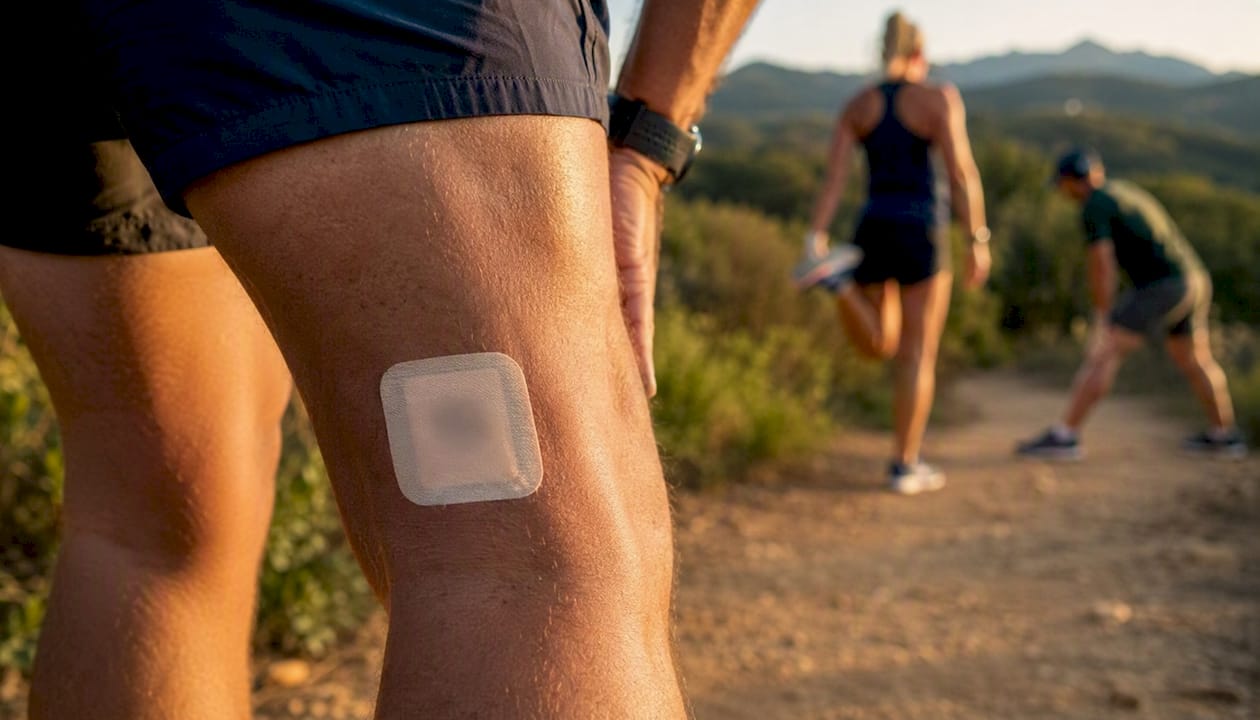
Pros: Hands-free, no mess, consistent delivery Cons: Cannot cut to size; remove before MRI; adhesive may irritate sensitive skin
Best store-brand budget option: Equate or GoodSense generics
Name-brand recognition adds cost, not efficacy. Store-brand products that match the Drug Facts percentages of name-brand ultra-strength formulas are clinically equivalent for short-term symptom relief. Always confirm the active-ingredient percentages match before assuming equivalence.
Pros: Significantly lower cost per ounce; same active ingredients as name brands Cons: Fewer format options; packaging less familiar
Best CBD-based natural option: Mongoosecbd Seriously Soothing Pain Balm
Mongoosecbd's balms use 1,000mg CBD per ounce alongside arnica, menthol, turmeric, eucalyptus, peppermint, and other botanicals. That combination targets muscle soreness, joint aches, and recovery through multiple pathways rather than a single counterirritant mechanism. The formulas are vegan, non-GMO, paraben-free, and THC-free. For readers interested in the evidence around CBD topicals for joint conditions, the CBD balm for arthritis overview covers what the research currently shows.
Pros: Multi-ingredient formula; no synthetic counterirritant irritation; THC-free; 30-day refund policy Cons: Higher price point than store-brand counterirritants; CBD topical research is still developing
Active-ingredient reference table
| Product / Category | Key active ingredients | Typical application frequency |
|---|---|---|
| Ultra-strength counterirritant | Menthol 10%, Methyl Salicylate 30%, Camphor 4% | Up to 4x daily |
| Mild counterirritant | Menthol 5%, Methyl Salicylate 15% | Up to 4x daily |
| Voltaren (diclofenac gel) | Diclofenac sodium 1% | 4x daily |
| Zostrix (capsaicin) | Capsaicin | 3–4x daily |
| Salonpas patch | Methyl Salicylate 10%, Menthol 3% | 1–3x daily |
| Aspercreme with Lidocaine | Lidocaine 4% | Per label (up to 4x daily) |
How to choose the right option and stay safe
Choose by pain type first, then by your medical context. The decision is straightforward when you frame it as a matching problem.
Quick decision flow:
- Is the pain in a specific joint with swelling or stiffness? Use a topical NSAID (diclofenac gel).
- Is it surface muscle soreness after exercise or a strain? Use a counterirritant.
- Is it nerve pain, burning, or numbness? Use capsaicin or lidocaine.
- Do you want a patch format for convenience? Salonpas.
- Do you prefer a natural, botanical formula without synthetic counterirritants? A CBD-based balm.
- Are you on a tight budget? Check the Drug Facts panel on store-brand generics.
Safety warnings you need to know:
- Menthol and methyl salicylate products carry real safety warnings: never apply to broken, irritated, or sunburned skin; avoid using heating pads or occlusive wraps over the product, which accelerates absorption and increases toxicity risk.
- High methyl salicylate concentrations increase systemic absorption. If you take warfarin or another anticoagulant, talk to your pharmacist before using any methyl salicylate product.
- Bengay-style products are not recommended for children under 12 without clinician guidance. Capsaicin products are generally not appropriate for children.
- Do not apply any topical pain reliever near eyes, mouth, or mucous membranes.
- Capsaicin causes a burning sensation during the first one to two weeks of use. That is expected, but stop if it becomes severe or causes blistering.
Questions to bring to your pharmacist:
- Is it safe to use this topical while I take oral NSAIDs (ibuprofen, naproxen)?
- Does my blood thinner interact with methyl salicylate products?
- Is this safe for my child's age and weight?
Pro Tip: If you use two different topical products for different pain areas, do not combine them on the same spot. Rotating products across different areas is fine; layering them on the same skin increases irritation and absorption risk. Ask your pharmacist before combining any topical with an oral pain medication.
If your pain is severe, worsening, or not improving after a week of consistent topical use, stop self-treating and see a clinician. Topical analgesics are for minor to moderate, short-term relief.
This article is general information, not medical advice. Confirm current indications and safety guidance with the product label, a pharmacist, or your healthcare provider.
Key Takeaways
Matching the active ingredient to your pain type is the single most reliable way to find a Bengay alternative that actually works.
| Point | Details |
|---|---|
| Match mechanism to pain type | Counterirritants for muscle soreness, topical NSAID for joint inflammation, capsaicin or lidocaine for nerve pain. |
| Ultra-strength formula | Menthol 10%, Methyl Salicylate 30%, Camphor 4% defines the ultra-strength lane; milder lanes reduce irritation risk. |
| Store brands can match name brands | Generics listing identical Drug Facts percentages are clinically equivalent and cost less per ounce. |
| Safety comes first | Avoid methyl salicylate products on broken skin or with anticoagulants; never use heating pads over any counterirritant. |
| Mongoosecbd for natural relief | The Seriously Soothing Pain Balm (1,000mg CBD/oz plus arnica, menthol, and botanicals) is a recommended CBD-based option for muscle soreness, joint aches, and recovery. |
The ingredient label is the only thing that matters
Most people shopping for a Bengay alternative are actually shopping for a brand name, not a mechanism. That is the wrong frame. Two products sitting next to each other on a pharmacy shelf can have identical active-ingredient percentages and a $6 price difference, with the only real distinction being the font on the box.
The more interesting question is whether you are even using the right class of product for your pain. Counterirritants are genuinely useful for post-workout muscle soreness and minor strains. They are not useful for osteoarthritis in your knee. Reaching for the familiar tube when you have joint inflammation is not just ineffective; it delays using something that actually addresses the underlying problem.
CBD topicals occupy a different lane. They are not counterirritants, and they are not NSAIDs. The mechanism is different, the sensory experience is different, and the ingredient profile in a well-formulated balm like Mongoosecbd's adds arnica, turmeric, and botanical oils that work alongside the CBD. For readers who have found conventional counterirritants too harsh on their skin, or who want a formula without the sharp menthol-and-camphor intensity, a CBD balm is a genuinely different option, not just a trendy repackaging of the same thing.
My practical rule: read the Drug Facts panel before you buy anything. If the product does not have one, that tells you something too.
Mongoosecbd Seriously Soothing Pain Balm: a natural alternative worth trying
If you have been cycling through conventional muscle rubs and want something that works differently, Mongoosecbd's topical balms are built for exactly that. The Seriously Soothing Pain Balm delivers 1,000mg CBD per ounce alongside arnica (a botanical anti-inflammatory), menthol, turmeric, eucalyptus, peppermint, cinnamon, clove, ginger, and cayenne. That is a multi-pathway formula designed for muscle soreness, joint aches, and post-activity recovery, not a single-note counterirritant. It is vegan, non-GMO, paraben-free, and THC-free.
For athletes and chronic pain sufferers who want a cleaner ingredient profile, the balm applies directly to the affected area and absorbs without the sharp synthetic smell of traditional muscle rubs. Mongoosecbd backs every purchase with a 30-day full refund policy. If it does not work for you, you are not out anything.
Try the Rikki Tikki Recovery balm for post-workout muscle recovery, or browse the full pain balm line to find the scent and formula that fits your routine.
Useful sources for further reading
- DailyMed — drug label database
- Topical therapies overview — NCBI Bookshelf
- Pharmacist guidance and topical analgesics — PMC
- Mayo Clinic — Menthol and methyl salicylate topical route
- Voltaren vs Aspercreme vs Icy Hot vs Bengay — Curist (clinical comparison)
- Bengay generic alternatives — Xeteor
- The best pain relief creams — Verywell Fit